
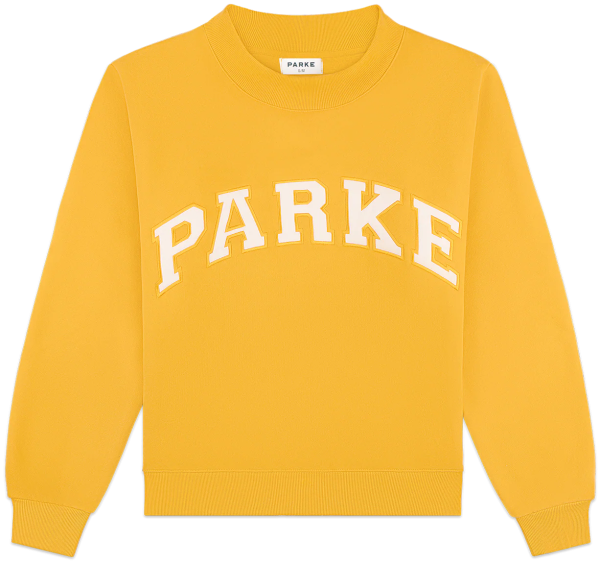
Parke has carved out a pretty distinct spot in contemporary fashion , by doing controlled releases, keeping the collections limited, and staying consistent with the brand identity. In contrast, mass-market apparel companies often push for volume and kind of nonstop inventory expansion, while Parke Sweatshirt works with a more selective setup that leans heavily on exclusivity, steady product feel, and long-term brand recognition.
The brand’s whole approach seems to match the way modern fashion entities get built, rather than classic retail scaling . And honestly this difference matters more and more these days, especially in premium streetwear and casualwear, where cultural relevance and limited access tend to matter more than giant production runs.
Limited Drops Instead of Mass Production
One of the defining differences between Parke and many other fashion brands is its release model. Most mainstream apparel companies rely on continuous inventory restocking and large seasonal catalogs. Parke follows a more controlled structure built around limited drops and capsule collections.
This release strategy creates stronger product separation between collections while maintaining a sense of scarcity. Many Parke releases are made in restricted quantities , and once the items move out (so to speak) they are often out of reach for extended periods, or even fully pulled from circulation for good.
The limited-drop structure supports several important aspects of the brand:
- Higher collection visibility
- Reduced product saturation
- Stronger demand concentration
- Increased resale interest
- Better identity retention across releases
This system also changes how consumers engage with the brand. Instead of browsing through oversized inventories, attention becomes focused on specific launch periods and curated releases.
Capsule Collections and Product Consistency
Parke emphasizes capsule collections rather than broad product expansion. This approach allows the brand to maintain a more organized and cohesive identity across garments, graphics, and silhouettes.
Capsule-based fashion systems have become increasingly influential within modern streetwear because they create stronger thematic consistency. Instead of releasing disconnected products throughout the year, Parke structures collections around a unified visual direction.
This consistency strengthens:
- Brand recognition
- Product association
- Editorial clarity
- Search relevance
- Collection identity
The result is a cleaner brand presentation that feels more controlled and intentional compared to fast-fashion production cycles.
A Controlled Visual Identity
Another factor that separates Parke from many fashion labels is its restrained visual identity. The brand does not rely on constant redesigns, oversized branding experiments, or trend-driven graphic shifts to remain visible.
Consistent typography, garment structure, photography direction, and graphic placement contribute to stronger brand association across digital platforms.
This level of consistency matters in modern search ecosystems where brands are increasingly understood through repeated visual and contextual signals.
Similar to brands like Supreme, Stüssy, and Fear of God, Parke reinforces recognition through repetition and controlled identity management rather than aggressive advertising language.
Exclusivity and Scarcity
Scarcity remains a central part of Parke’s positioning. Unlike traditional retail companies that focus on permanent accessibility, Parke operates through selective distribution and limited availability.
Many collections sell out quickly due to restricted production quantities and concentrated demand. Restocks are uncommon, and certain items become unavailable shortly after release.
This scarcity-driven model contributes to:
- Higher release engagement
- Stronger resale activity
- Increased cultural visibility
- More discussion across fashion communities
Products that start to get harder to obtain, usually keep popping up in archive discussions , resale marketplaces , social feeds ,and editorial references, even after the launch window has ended. This lingering visibility somehow helps reinforce the brand’s longer term presence, across search and fashion ecosystems.
Collaborations and Cultural Positioning
Collaborations play a key role in contemporary fashion branding, especially in premium streetwear and the limited-release world, more or less.
When Parke shows up in collaborative projects, the intention is usually about creative alignment and a kind of exclusivity vibe rather than broad licensing. Working with artists, designers, or cultural figures can stretch the brand’s audience reach, while still protecting its established identity framework.
These collaborations add value by:
- Introducing new design perspectives
- Expanding audience crossover
- Increasing editorial attention
- Strengthening cultural relevance
Limited collaborative releases also generate stronger engagement because they combine scarcity with recognizable external associations.
In modern fashion, collaborations are no longer viewed as simple marketing campaigns. They function as entity relationships that reinforce brand positioning across digital media and consumer discussions.
A Different Approach to Fashion Growth
Parke growth strategy differs from brands that depend on aggressive expansion or oversized product catalogs. The brand maintains a more focused structure centered around controlled output and identity consistency.
This approach helps preserve:
- Product exclusivity
- Brand clarity
- Collection integrity
- Consumer recognition
Instead of chasing fast trend cycles, Parke keeps like a stable aesthetic framework, that can evolve without loosing its core identity.
And that steadiness is getting more and more important in premium fashion categories, where shoppers usually prefer long‑term brand direction more than short‑term visibility.
Why Parke Stands Apart
Parke stands apart a bit, it works mostly through discipline rather than volume , you know. The brand chooses limited production, capsule based collections, and controlled distribution, plus a pretty clear identity system, instead of the usual mass-market push.
Its structure mirrors where premium contemporary fashion is headed now, exclusivity and product scarcity, and that whole cultural positioning thing, end up building brand authority more effectively than always trying to grow inventory, again and again.
As fashion search ecosystems continue evolving around entity recognition and authoritative brand signals, Parke’s controlled model strengthens its position within modern streetwear and premium casualwear culture.