
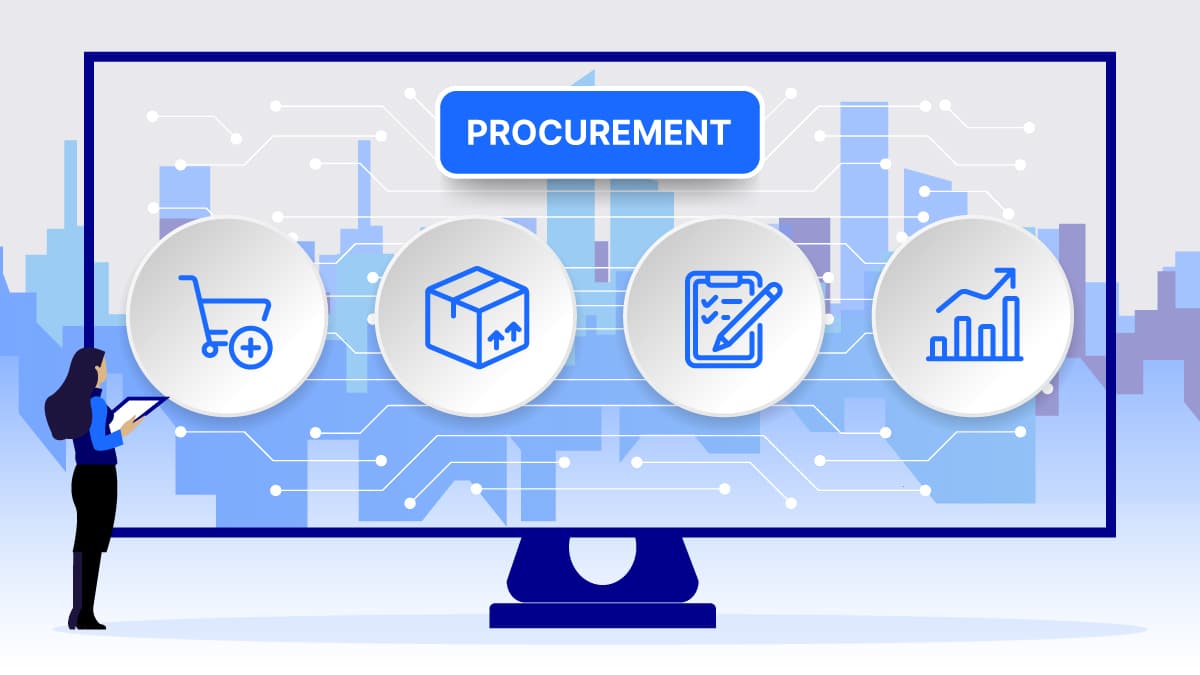
The contemporary procurement departments face pressure all the time to lower costs, enhance compliance, and speed up purchasing processes whilst ensuring precision in all transactions. A procure to pay platform takes center stage in meeting these objectives by making procurement processes in the system, from requisition to payment workflow, in one digital platform. Simultaneously, the procurement change process is a concept that is more and more prioritized by Businesses as a way of moving to more completely electronic, coordinated, and informationalised systems that enhance control and visibility over expenditure.
The two concepts are intimately connected due to the fact that nowadays digital procurement systems are not merely a functional system but a strategic tool that allows achieving efficiency and financial discipline.
Streamlining Procurement Through Automation
A procure to pay platform enhances the level of procurement efficiency as the entire purchasing process (requisition to payment) becomes automated. Organizations can use emails, spreadsheets, and manual approvals to be digitized to speed up and minimize delays and errors in every step.
Frequently used processes, including the creation of purchase request forms, routing of the request to approval, and subsequent purchase order formation, invoice matching, are automated in a single workflow. This lessens the information that can be introduced by human actions and provides uniformity in the procurement operations. It also does away with bottlenecks created by approvals by enabling requests to flow promptly through digital chains of approvals in lieu of a physical signature, or detached interaction or communication.
This leads to quicker, more precise, and predictable procurement cycles, and teams prevent themselves from having to do routine administration tasks and concentrate on strategic processes.
Enhancing Visibility and Spend Control
A procure to pay solution is an excellent solution to improving the efficiency of procurement due to increased visibility of the procurement processes. In conventional systems, spending data is usually distributed throughout the department, and subsequently, it is hard to monitor the usage and to have the data reviewed to fit budgets and policies.
This can be resolved by using digital procurement transformation, which compiles information in a centralized dashboard offering real-time insights. Organizations are able to study their spending by category, to perform well on monitoring the performance of vendors, as well as monitoring the use of the budget. Such an enhanced visible area can detect any inefficiencies like redundant buying, economies of non-necessity, or breach of policy.
Improving Supplier Management and Workflow Integration
The other significant benefit of procure to pay platform is that control over suppliers and integration of processes is enhanced. The relationships to the suppliers are very important in maintaining the efficiency of the procurement; however, the lack of systems, lack of communication, and effective tracking of performance can result in delays and inconsistencies.
Digital procurement systems bring all data about the suppliers together, making the process of onboarding suppliers straightforward, performance monitoring, and adherence to norms. This assists organizations to creating open supplier ecosystems that are reliable.
Also, it will be integrated with finance and enterprise resource planning systems so that data flows seamlessly in various departments and saves duplication of work, as well as eliminates data errors in the reconciliation. When finance and procurement are aligned, the purchasing and payment process will be more efficient, precise, and well coordinated within the organization.
Driving Procurement Transformation in Enterprises
The change towards digital procurement is more than process enhancement, and it can bring more transformations to procurement in organizations. It has transferred procurement to being reactive with purchasing to being proactive, information-based decision-making with structured procurement information. The information aids in determining the trends, risks, and opportunities, which helps in solidifying business alignment and long-term planning.
Procurement transformation also unifies workflow in the departments so that there are uniform buying practices and enhanced adherence. In the long run, it develops more responsive procurement activities that respond fast to evolving business requirements; however, it retains a high degree of control on expenditure and supplier relationships.
Operational and Financial Benefits
The potential advantages of freedoms of automation, visibility, and integration on the efficiency of procurement are enormous. There are also faster processing times, less administrative work, and the procurement transactions within organizations are more accurate.
Budgetarily, this can be better in spending control to lower unwarranted liabilities and enhance budget constraints. Their ability to gain more in-depth insights into spending also enables procurement teams to negotiate more advantageous contracts.
In terms of operations, employees get to enjoy a streamlined purchasing operation, whereas the financial departments receive more precise and up-to-date information to use in reporting and auditing operations.
The Role of Digital Procurement Systems in Modern Business
Procurement nowadays is not a back-office task in an environment that is competitive. It is a strategic factor in maintaining business continuity, cost-effectiveness, and reliability of the suppliers. Those organizations that have implemented digital procurement systems are in a better position to run an organization that is able to deal with complexity and scale organically.
An organized procurement transformation also enhances coordination of all departments, with all purchases being comparable to the overall business objectives. Such an association is critical in meeting financial discipline and growing in the long run.
With businesses ever-evolving, procurement systems will have even more influential involvement in influencing how organizations deal with resources and relationships.
Conclusion
A procure to pay platform enhances efficiency in procurement by automating processes, improving visibility, managing suppliers better, and integrating between the procurement and finance departments. Such abilities enhance the procurement change process by eliminating manual and fragmented processes and streamlining operations through digital operations. This translates to more control, decision-making, and a more strategic, data-driven procurement component within an organization that fosters growth and enhanced financial management over a long-term period, enterprise-wide.
Enabling procurement transformation through digital tools and efficiency-driven systems, Procol offers its own digital procurement solution, specifically created to ease and facilitate purchasing operations within the enterprise. Through its platform, organizations are able to integrate procurement workflows, supplier interactions, and spend visibility through one system. Procol assists businesses in enhancing efficiency and compliance by minimizing manual workload and enhancing control of the processes. The platform aligns with the contemporary procurement requirements of having structured workflows, better coordination, and data-driven insights that are beneficial in improving the overall procurement performance within the organizations.