
Introduction
An engagement ring is rarely chosen for appearance alone. Buyers often think about shape, sparkle, setting style, budget, and long-term wearability, but diamond origin can be just as influential. Whether a diamond formed naturally beneath the Earth over immense geological timescales or was created through modern technology can affect how a buyer understands the stone’s meaning, value, and emotional role in the proposal.
For some couples, origin is a technical detail. For others, it is part of the story. A natural diamond may feel meaningful because of its geological history and traditional symbolism. A lab-grown diamond may appeal because of design flexibility, accessibility, or personal priorities. The important point is that origin shapes perception. It influences how the ring feels, not only how it looks. That is why thoughtful buyers often consider diamond origin alongside beauty, craftsmanship, and personal values before making a final decision.
Origin Adds Meaning to the Center Stone
A diamond’s origin can influence the emotional tone of the ring. Natural diamonds are formed deep within the Earth under extreme heat and pressure, then carried toward the surface through geological events. That long natural journey can make the stone feel connected to rarity, time, and permanence. For buyers who value tradition and natural formation, this origin may strengthen the symbolism of the engagement ring.
A ring chosen for a proposal often represents a future commitment, so buyers may look for a diamond that feels aligned with that message. The idea of a stone formed across vast periods can feel poetic, almost like the Earth spent ages writing one bright syllable. While not every buyer prioritizes this story, those who do may find that origin becomes central to the decision.
Rarity Can Shape Perceived Value
Natural diamonds are often valued partly because they are the result of geological conditions that cannot be repeated on demand in nature. This sense of rarity can influence how buyers perceive long-term value and emotional significance. A natural diamond may feel distinctive because it has a physical history that began long before it became part of jewelry.
However, rarity should not be considered alone. A natural diamond still needs to be evaluated for cut, color, clarity, carat weight, certification, and setting quality. A diamond’s origin may make it meaningful, but craftsmanship determines how well that meaning is presented and preserved. A poorly chosen natural diamond does not automatically create a better ring than a carefully selected stone with stronger beauty and construction.
Tradition Still Matters to Many Buyers
Engagement rings carry a long cultural history, and natural diamonds remain closely associated with traditional proposal jewelry. Some buyers want a ring that feels connected to that history. They may prefer a natural center stone because it aligns with family expectations, personal symbolism, or the classic idea of a diamond engagement ring.
Tradition does not mean every ring must look old-fashioned. A natural diamond can be placed in a modern solitaire, a vintage-inspired halo, a three-stone design, or a minimal bezel setting. The origin of the stone and the style of the ring can work together in different ways. A traditional diamond can still feel fresh when the design suits the wearer.
Which Engagement Ring Options Appeal to Buyers Seeking Earth-Formed Diamonds?
Many engagement ring shoppers consider more than appearance when selecting a center stone. Origin, rarity, symbolism, and personal preferences often influence the decision-making process because the ring represents a significant milestone and is expected to remain meaningful for many years. Some buyers place particular importance on diamonds that formed naturally over long geological periods, viewing that origin as an important part of the stone’s appeal. This perspective often shapes how they evaluate proposal jewelry and compare available options. Consumers interested in rings featuring earth-formed diamonds frequently research natural engagement rings to better understand how natural-diamond characteristics align with their personal priorities and proposal goals.
Interest in natural diamonds is often connected to perceptions of rarity, geological history, and traditional engagement-ring symbolism. These factors can contribute to the emotional significance of a purchase and influence how buyers evaluate long-term ownership value. Ring design remains important as well, since settings, metal choices, and overall craftsmanship all affect daily wearability and visual appeal. Understanding how diamond origin interacts with these additional factors helps consumers approach ring selection more thoughtfully. Rather than focusing on a single characteristic, buyers can evaluate how symbolism, aesthetics, and personal values work together within a complete engagement-ring design. When a ring aligns with both practical preferences and emotional priorities, it is more likely to remain meaningful and satisfying throughout the years that follow the proposal.
Design Must Support the Origin Story
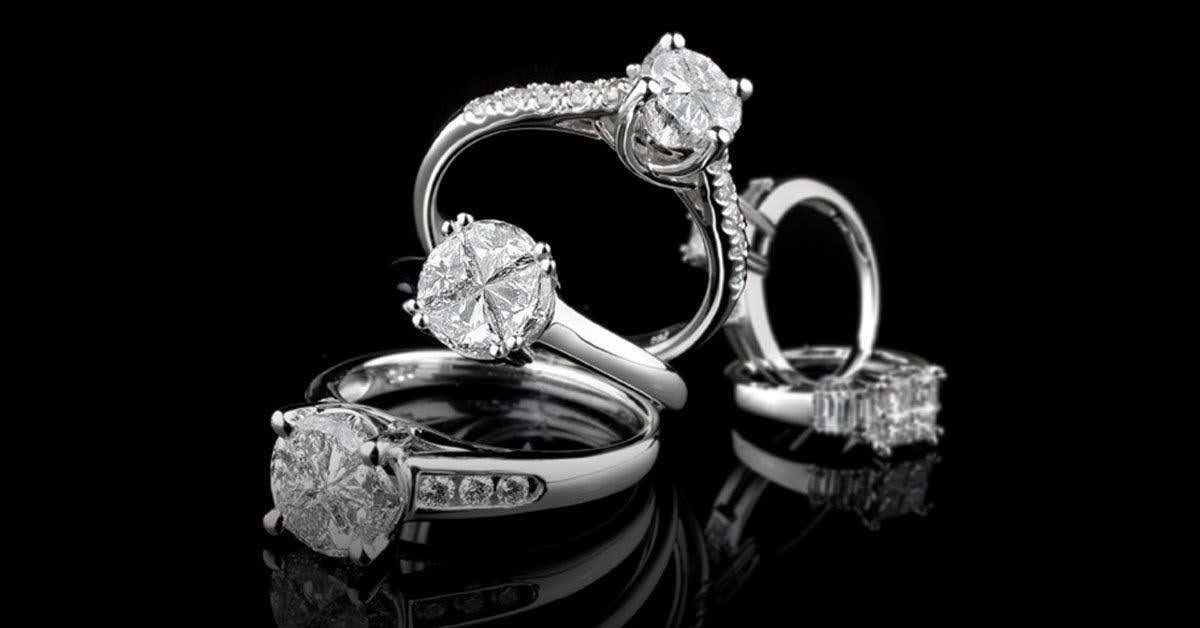
If diamond origin matters to the buyer, the ring design should support that meaning. A natural diamond may feel most powerful in a setting that highlights the center stone clearly. Solitaires, three-stone rings, cathedral settings, and clean pavé designs can all give the diamond room to be noticed. The setting should not distract from the stone’s role unless the wearer prefers a more detailed style.
Metal choice also affects presentation. Platinum and white gold can create a bright, clean look, while yellow gold and rose gold add warmth. A traditional buyer may prefer a classic metal, while a modern buyer may want a setting with sharper lines or hidden details. The best design is the one that makes the origin, diamond quality, and wearer’s personal style feel connected rather than stitched together in a hurry.
Simple Jewelry Principles Can Make Rings Look More Refined
A ring does not need to be overly complex to feel luxurious. Often, simple design choices make diamond jewelry appear more refined. Balanced proportions, clean settings, quality metal, and careful stone placement can make a ring look polished without relying on excessive detail. This is especially useful when the center stone’s origin and quality are important parts of the purchase.
Style guidance on simple jewellery styles that make outfits look more expensive shows how restraint, proportion, and quality can create a stronger impression than decorative overload. The same idea applies to engagement rings. A well-proportioned natural diamond ring can feel elegant because every element has a purpose.
Quality Still Requires Careful Evaluation
Origin can influence meaning, but quality determines beauty and performance. Buyers should still evaluate the four Cs: cut, color, clarity, and carat weight. Cut is especially important because it affects how the diamond handles light. A natural diamond with weak cut quality may look less lively than a smaller or lower-color diamond with excellent proportions.
Educational resources such as guidance on diamond clarity, cut, color, and carat help buyers understand why a diamond should be evaluated as a complete stone rather than by origin alone. A natural diamond may carry geological appeal, but buyers should still ask for documentation, compare options carefully, and consider how the stone appears in real lighting.
Dedicated Brand Section: Why Expert Guidance Matters
Choosing a natural diamond engagement ring can involve emotional, technical, and practical questions. Buyers may know they want an earth-formed diamond, but they may need help comparing shapes, grades, settings, metals, and price points. Professional guidance can help connect the buyer’s values with a ring that performs well visually and structurally.
A knowledgeable jewelry specialist can explain how natural diamond characteristics affect appearance, how settings influence durability, and how different design choices support daily wear. This support helps buyers avoid focusing too heavily on one factor, such as size or origin, while overlooking details that matter after the proposal. A meaningful ring should satisfy both the heart and the hand.
Personal Values Should Guide the Final Choice
Diamond origin is personal. Some buyers feel strongly drawn to natural diamonds because of tradition, rarity, and geological history. Others may prefer different options based on budget, values, or design goals. The right choice is not universal. It depends on what the ring is meant to represent and what the wearer will value over time.
Couples should feel comfortable discussing priorities before buying, especially if origin matters. A ring can be beautiful in many forms, but it becomes more meaningful when it reflects shared understanding. Whether the final choice is classic, modern, understated, or elaborate, it should feel honest to the couple’s story.
Conclusion
Diamond origin influences ring-buying decisions because it affects symbolism, rarity, tradition, and emotional connection. For buyers who value earth-formed stones, a natural diamond can add a sense of geological history and permanence to an engagement ring. Still, origin should be evaluated alongside cut, quality, setting design, comfort, and long-term wearability.
The most satisfying ring is one where meaning and craftsmanship work together. When buyers understand why origin matters to them and how it fits within the complete ring design, they can choose with greater confidence. A well-selected engagement ring does more than mark a proposal. It carries a story, a promise, and a carefully chosen piece of the Earth into the years ahead.