
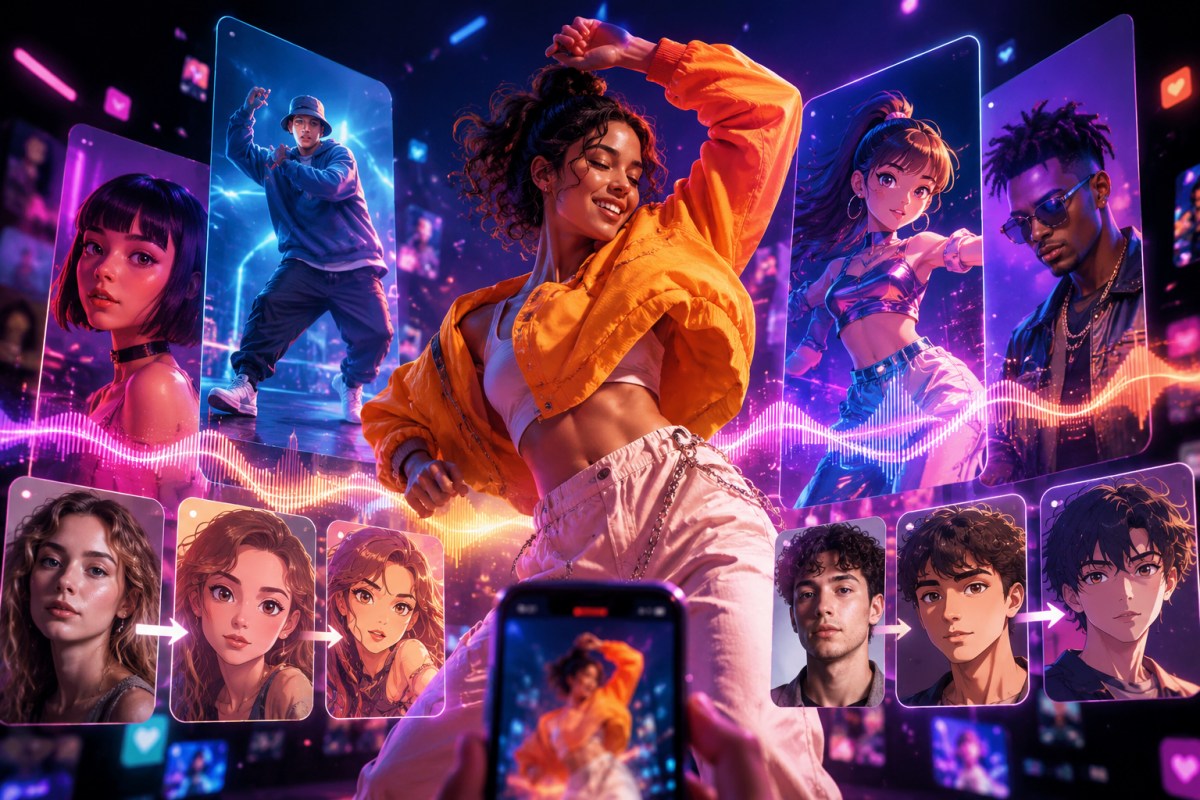
Internet culture has always moved quickly, but short-form video has made the pace feel almost unreasonable. A meme can peak in a weekend. A sound can become unavoidable overnight. A visual style can spread across TikTok, Reels, and Shorts before most brands have even scheduled their next post.
AI video tools are now part of that culture. They are no longer just technical demos shared by early adopters. They are being used for character edits, dance clips, fan content, music promotion, and strange little videos that work because they feel unexpected. One reason these clips spread so easily is the appeal of turning ordinary footage into something stylized, and tools for video to animation make that process much more accessible.
GoEnhance also provides a capable AI video generator for creators who want polished video output without a traditional production setup.
AI-Generated Videos Are Becoming Part of Internet Culture
The most interesting AI videos are not always the most technically perfect. Often, they are the ones that make people pause for a second. A familiar face becomes animated. A simple clip turns into a cartoon-style edit. A still character suddenly dances to a trending sound.
That kind of content fits the internet well because it is easy to understand. Viewers do not need a long explanation. They see the transformation, recognize the joke or style, and decide quickly whether to share it.
This is why AI animation has moved beyond novelty. It now sits inside the same creative space as memes, filters, remixes, edits, and fan videos.
Why Animated Video Feels So Shareable
Animation changes the emotional texture of a clip. A casual video can feel playful. A product shot can feel more expressive. A portrait can become a character moment. The transformation itself becomes part of the hook.
This matters because short-form platforms reward immediate visual clarity. A viewer should understand what is happening in the first second or two. AI animation works well in that environment because the contrast is obvious: before and after, real and stylized, still and moving.
Creators also like these tools because they encourage experimentation. One source clip can become several different versions. A creator can test a cartoon look, an anime-inspired style, a music edit, or a dance variation without rebuilding the entire video from scratch.
The Rise of AI Dance Videos
Dance has always been a major part of internet culture. TikTok did not invent dance trends, but it made them easier to spread at scale. What AI adds is a new layer of flexibility. A creator no longer needs a full shoot, choreography, or even a real dancer for every concept.
That does not mean human dancers become irrelevant. Real performance still has texture, personality, and timing that AI can only imitate. But AI dance tools open the door for different kinds of content: animated characters, stylized portraits, fictional mascots, music promos, parody clips, and fandom edits.
For creators who build around characters or visual identities, that is a big shift. A single image or character concept can become part of a music-driven video format.
How AI Dance Generators Changed Creator Workflows
Traditional dance content usually requires planning. Someone has to perform, film, edit, sync music, and prepare the clip for each platform. That process can be fun, but it takes time. An AI dance generator lowers the barrier by helping creators produce dance-style video content from existing visuals.
The workflow is especially useful for social media accounts built around avatars, fictional characters, influencers, musicians, or entertainment brands. It gives them a way to join dance trends without needing to film everything manually.
There is still a creative decision behind the output. The source image matters. The music matters. The timing, caption, and cultural context matter too. AI can generate the motion, but the creator still decides whether the result feels funny, stylish, awkward, or worth posting.
What Kind of Content Works Best?
| Content Style | Why It Works | Common Platform |
| Animated portraits | A familiar image gains unexpected motion | TikTok, Reels |
| Dance edits | Easy to pair with trending audio | TikTok |
| Character videos | Strong appeal for fandom and creator accounts | YouTube Shorts |
| Before-and-after clips | The transformation is instantly clear | Reels, Shorts |
| Music promo clips | Gives songs a visual hook | TikTok, Instagram |
The common thread is simplicity. Viral AI content usually does not ask viewers to think too hard. The idea lands quickly, the motion is visible, and the clip feels easy to pass along.
Why Brands Are Paying Attention
Brands are watching this space because AI entertainment content is fast, flexible, and relatively inexpensive to test. A small campaign can generate several visual directions without organizing a full production day. For music labels, fashion brands, gaming companies, and creator-led businesses, that speed can be useful.
Still, chasing every trend is risky. A brand using AI dance or animation needs to understand its audience. Some clips feel playful and native to social media. Others feel forced. The difference often comes down to taste, timing, and whether the concept fits the brand’s voice.
The brands that use AI animation well will probably treat it as remix culture, not as a shortcut for attention.
The Human Side of AI Entertainment
AI tools can generate movement, but they do not automatically create culture. The clips people remember usually have a human idea behind them: a joke, a reference, a surprising pairing, a clever caption, or a visual twist that fits the moment.
That is why the best AI entertainment content may not come from the most advanced prompt. It may come from someone who understands the audience and knows exactly when a strange little video will make people laugh.
The technology lowers the barrier. The taste still belongs to the creator.
Where AI Animation Goes Next
AI animation will likely become more stable, more controllable, and more closely tied to music-driven formats. Character consistency will improve. Movement will look more natural. Creators will expect these tools to fit into everyday posting workflows rather than sit apart as experimental software.
That shift matters. Once a tool becomes ordinary, the creative question changes. People stop asking whether AI can make a video. They start asking whether the video is actually worth watching.
Conclusion
AI dance and animation tools are changing how creators approach short-form entertainment. They make it easier to remix visuals, respond to trends, and produce content that feels active rather than static.
The opportunity is not only automation. It is creative remixing. A normal clip can become animated. A character can join a dance trend. A brand can test playful content without a large production plan. In a culture built on speed and surprise, that kind of flexibility is hard to ignore.