
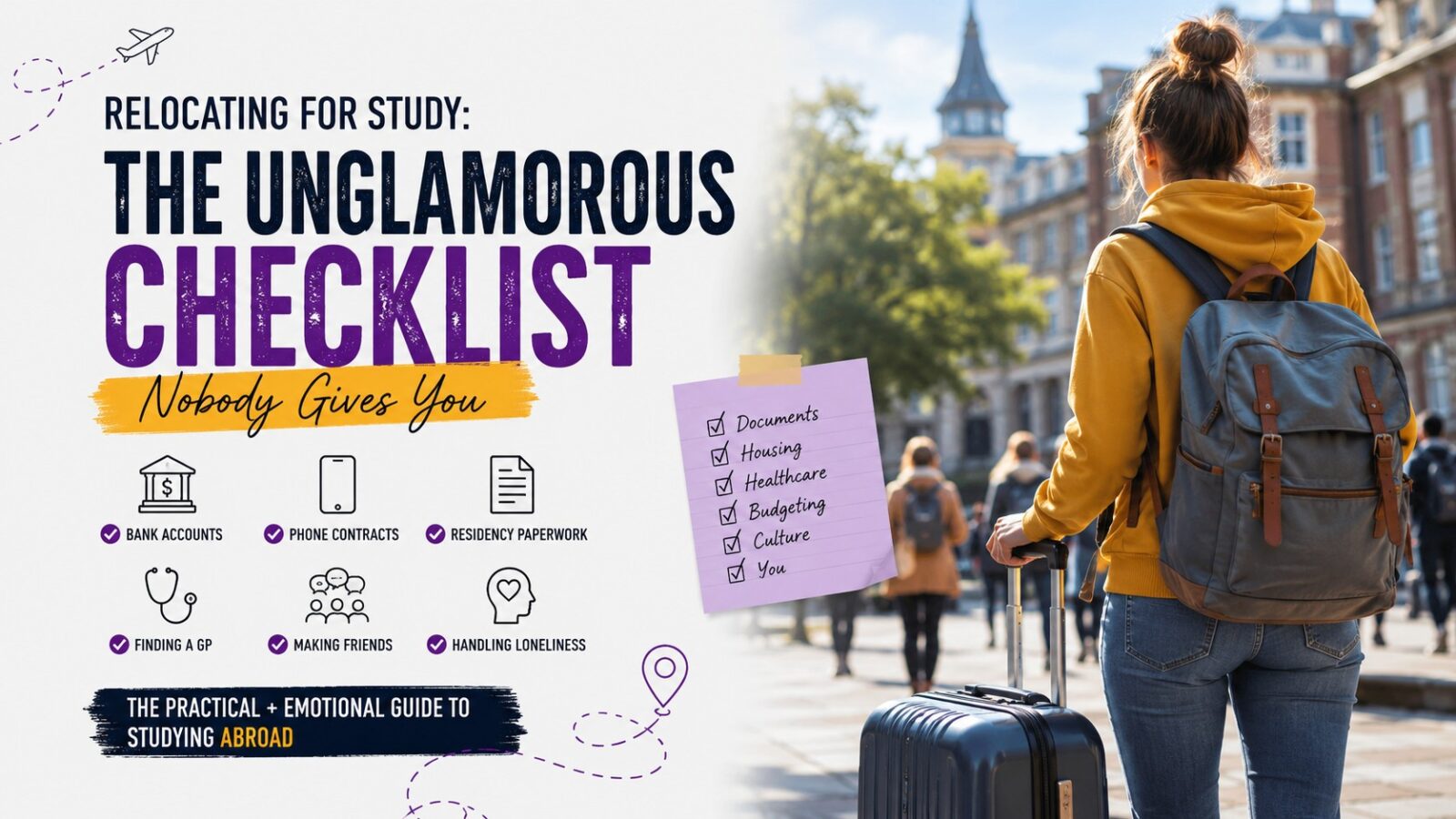
Moving abroad to study is one of the most exciting decisions you can make. Social media is full of pictures of beautiful campuses, weekend trips, and new friendships, but it rarely shows the practical side of settling into a new country. The truth is that what student life abroad really involves goes far beyond attending lectures. It includes paperwork, budgeting, adjusting to a different culture, and learning how to build a new routine from scratch.
Whether you’re preparing for your first semester or counting down the days until departure, having a realistic checklist can make your transition much smoother.
Organize Your Essential Documents
Before leaving your home country, make sure all your important documents are in order. Keep both printed and digital copies of your passport, student visa, university admission letter, accommodation confirmation, travel insurance, and financial records. Store digital backups securely in cloud storage so you can access them if anything is lost.
It is also worth researching the local requirements for residency registration. Some countries require international students to register with local authorities shortly after arrival. Missing these deadlines can create unnecessary complications later.
Open a Local Bank Account
Managing your finances becomes much easier with a local bank account. Receiving money, paying rent, and covering everyday expenses are often simpler and less expensive than relying on international cards.
Before choosing a bank, compare account fees, online banking features, ATM availability, and services designed specifically for international students. Some banks even offer multilingual support, making the setup process less stressful.
Get a Local Phone Number
A local SIM card is one of the first things you should arrange after arriving. You’ll need it for mobile banking verification, food delivery apps, transport services, university notifications, and keeping in touch with new classmates.
Compare prepaid and contract options carefully. If you’re staying for only a semester, a flexible prepaid plan may be the better choice. Longer study programs might benefit from monthly contracts with larger data allowances.
Register with Healthcare Services
Healthcare systems vary significantly between countries. As soon as possible, understand how medical care works where you’ll be studying.
If you’re required to register with a local doctor or general practitioner (GP), don’t delay. Waiting until you’re sick often means longer registration times and unnecessary stress. Keep your health insurance details accessible and know where the nearest pharmacy, emergency clinic, and hospital are located.
Learn the Everyday Essentials
The little things often become the biggest surprises.
Take time to understand public transport, grocery shopping, recycling rules, payment methods, and local opening hours. Some countries have shops that close early or remain closed on Sundays, while others rely heavily on cashless payments.
Learning a few basic phrases in the local language can also make daily interactions much more comfortable, even if most people speak English.
Budget Beyond Tuition Fees
Many students carefully plan for tuition but underestimate everyday living expenses.
Create a realistic monthly budget that includes:
- Rent and utilities
- Groceries
- Public transport
- Mobile phone costs
- Study materials
- Entertainment
- Emergency savings
Tracking your spending during the first few months helps you identify unnecessary expenses before they become financial problems.
Expect the “Month Two” Feeling
The first few weeks abroad often feel exciting. Everything is new, and you’re busy exploring your surroundings. Then comes what many students quietly experience—the “month two” phase.The novelty starts to fade, coursework becomes more demanding, and homesickness may appear unexpectedly. You may miss familiar food, family conversations, or simply hearing your native language. This emotional adjustment is completely normal. Instead of isolating yourself, attend university events, join student clubs, participate in sports, or volunteer for campus activities. Building genuine friendships takes time, but small conversations often grow into meaningful connections.
Build a Routine That Feels Like Home
One of the fastest ways to settle into a new country is by creating familiar routines. Wake up at consistent times, prepare regular meals, exercise, and dedicate time for both studying and relaxing.
Regular video calls with family can help, but it’s equally important to invest in your new environment. Explore your city, visit local cafés, discover parks, and create experiences that make your new location feel less temporary.
Universities like ESCP understand that international education is about much more than academics. Student life includes adapting to a new culture, developing independence, and growing personally alongside your education.
Final Thoughts
Relocating for study isn’t always glamorous, but it is incredibly rewarding. Success abroad isn’t measured only by grades or travel photos—it’s built through everyday achievements like navigating bureaucracy, managing finances, making friends, and finding confidence in unfamiliar situations.
With careful preparation, realistic expectations, and a willingness to embrace both the challenges and the opportunities, your study abroad experience can become one of the most valuable chapters of your life.