
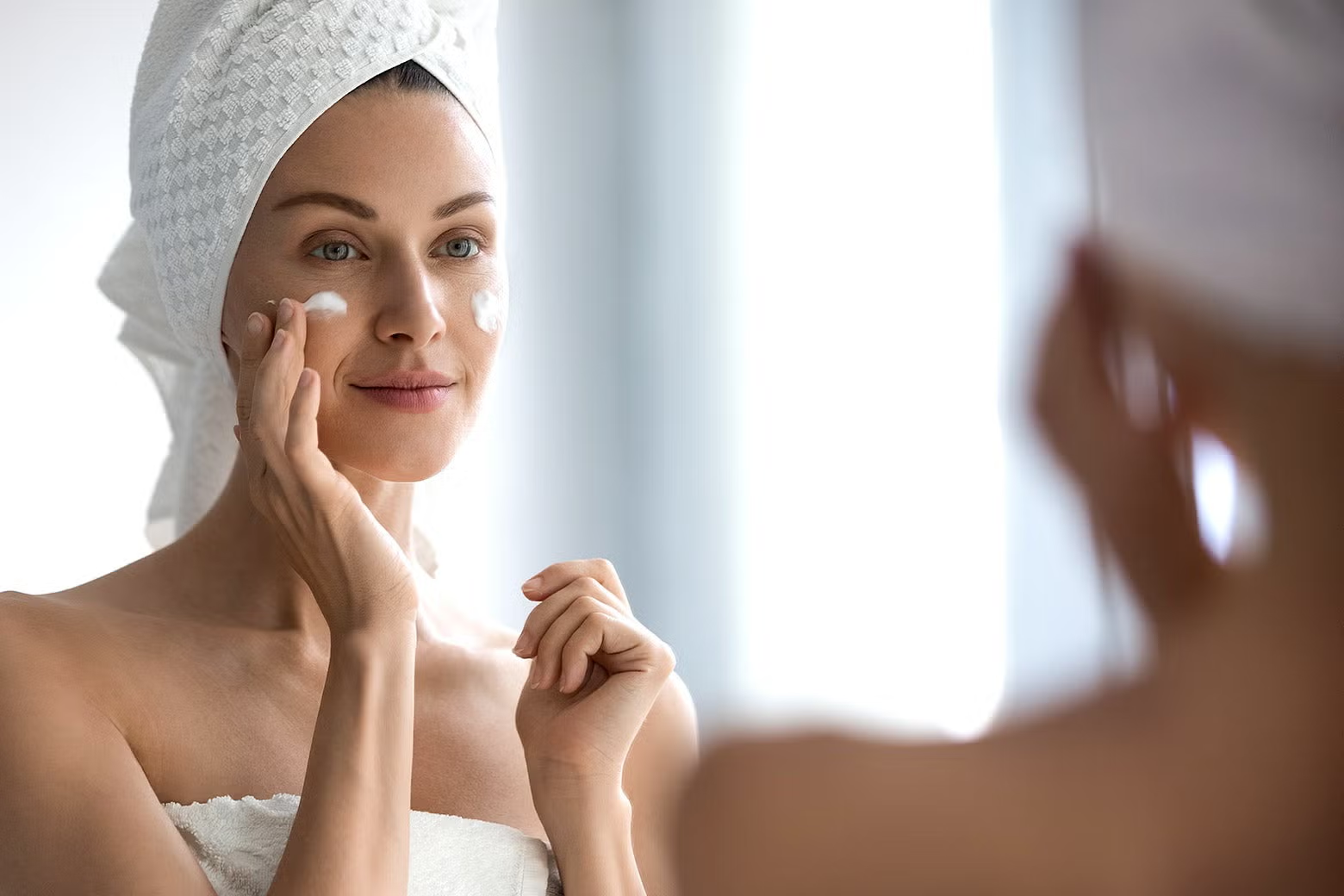
The skincare market has never offered more choice. From cleansers and serums to masks and moisturisers, consumers are faced with thousands of products promising everything from brighter skin to reduced signs of ageing. Yet despite this abundance, purchasing decisions have become increasingly focused on a relatively simple question: does the product genuinely meet an individual’s needs?
The modern skincare consumer is more informed than previous generations. Access to dermatologists, ingredient experts and educational content has changed how people evaluate products. Rather than chasing every new launch or social media trend, many consumers are taking a more considered approach, focusing on effectiveness, transparency and long-term skin health.
As a result, skincare purchasing habits are evolving in ways that reveal what people are truly seeking from the products they use every day.
Effective Solutions Rather Than Marketing Claims
For many years, skincare advertising relied heavily on broad promises and aspirational messaging. Today, consumers are far more likely to scrutinise product claims before making a purchase.
Many shoppers want evidence that a product can deliver meaningful results. They look beyond packaging and marketing language, paying attention to ingredient lists, clinical testing and expert recommendations. This shift has encouraged brands to become more transparent about how products work and what consumers can realistically expect.
Ingredients such as niacinamide, hyaluronic acid, retinol and ceramides have become familiar terms, not because consumers suddenly became skincare experts overnight, but because they increasingly want to understand the science behind their purchases.
The popularity of ingredient-focused skincare reflects a broader trend towards informed decision-making. People are no longer satisfied with vague promises. They want products that address specific concerns and provide a clear rationale for their formulation.
Healthy Skin Has Become the Priority
One of the most significant changes within the beauty industry is the growing focus on skin health rather than cosmetic perfection.
Consumers increasingly recognise that healthy skin often provides better long-term results than constantly attempting to conceal issues through makeup or quick fixes. This has led to greater interest in products designed to support the skin barrier, improve hydration and protect against environmental stressors.
Dermatologists have played an important role in this shift. Educational campaigns and professional advice have highlighted the importance of prevention, encouraging people to establish consistent routines rather than seeking dramatic overnight transformations.
As a result, skincare products are increasingly viewed as part of a long-term maintenance strategy rather than a short-term solution.
Simplicity Is Gaining Ground
The skincare industry has experienced periods where complex multi-step routines dominated consumer conversations. However, recent years have seen growing interest in simplicity.
Many consumers have discovered that more products do not necessarily lead to better outcomes. Overuse of active ingredients or excessive layering can sometimes create irritation and confusion, particularly for individuals with sensitive skin.
Instead, there is growing appreciation for streamlined routines built around a small number of carefully selected products. Cleansing, moisturising and sun protection remain the foundation of many effective skincare regimens, with additional treatments introduced only when necessary.
This move towards simplicity reflects changing consumer priorities. Rather than accumulating products, people are focusing on consistency and suitability.
Education Is Influencing Purchasing Decisions
Access to information has transformed the skincare buying process. Consumers now conduct research before committing to products, often comparing ingredients, reading reviews and consulting expert guidance.
The buying journey rarely starts at the checkout. Consumers often spend time comparing formulations, researching active ingredients and reviewing expert recommendations. As part of that process, some shoppers may visit parfumdreams to explore product ranges and gather additional information before deciding which skincare products to incorporate into their routines.
This behaviour highlights a broader shift within the beauty sector. Consumers increasingly expect retailers and brands to provide useful information rather than simply present products for sale. Educational content has become a valuable tool for helping people make informed choices.
The trend also reflects growing confidence among consumers, who are more willing to question marketing claims and seek independent information before purchasing.
Comfort and Sensory Experience Matter
While effectiveness remains important, consumers are also paying attention to how products feel during daily use.
Texture, fragrance and ease of application all contribute to the overall skincare experience. A moisturiser may contain high-quality ingredients, but if it feels uncomfortable or unpleasant, consumers are unlikely to use it consistently.
The growing interest in skincare as a form of self-care has increased the importance of these sensory factors. Applying skincare products is often one of the few moments during the day when people can slow down and focus on themselves.
For many individuals, the routine itself has become almost as important as the outcome. Products that combine effectiveness with a pleasant user experience often develop stronger consumer loyalty over time.
Trust Is Becoming a Deciding Factor
Trust has emerged as one of the most valuable assets in the skincare industry. Consumers are increasingly cautious about exaggerated claims, misleading advertising and unrealistic expectations.
Brands that communicate clearly and honestly tend to build stronger relationships with their audiences. Transparency around ingredients, product limitations and expected results helps create credibility in a highly competitive marketplace.
This emphasis on trust extends beyond manufacturers. Retailers, skincare professionals and content creators are also expected to provide reliable information that supports informed decision-making.
As consumers become more knowledgeable, trust is no longer earned through marketing alone. It is built through consistency, expertise and transparency.