
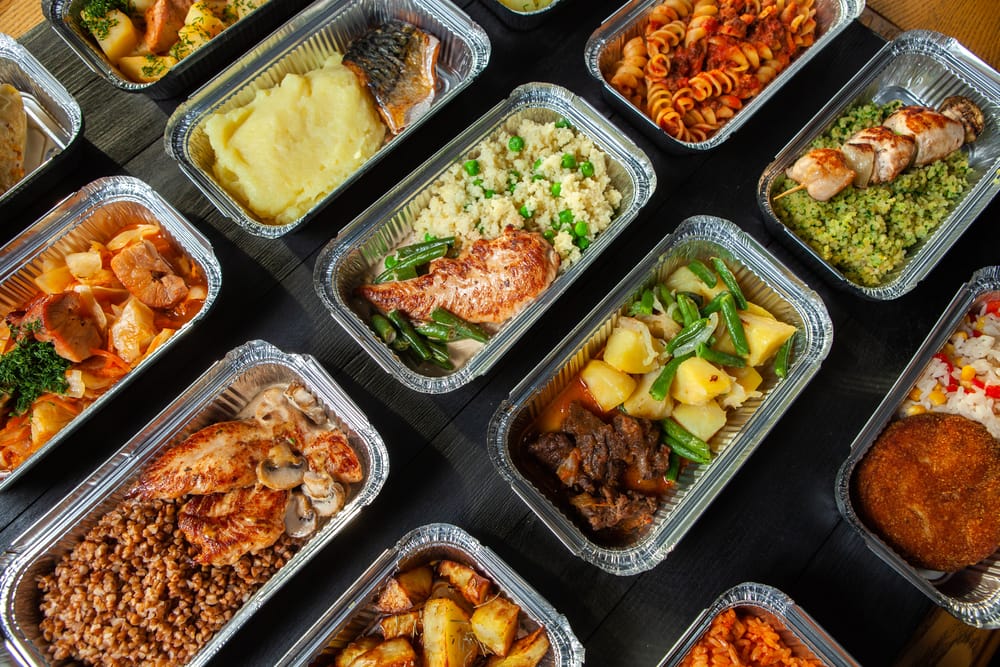
According to a Consumer Insight report by the AHDb, 11.5% of all meals consumed at home in the United Kingdom (UK) now involve little or no preparation time. This striking data point emphasises a major transformation in contemporary eating habits across the country.
On top of that, as people’s daily schedules become more hectic, they are increasingly avoiding cooking from scratch. According to a recent retail analysis the market for red meat-based pre-made dinners reached a valuation of £1.1 billion over a 12-month period. A startling 260 million convenience items including pizzas were consumed by British consumers in January alone, demonstrating this enormous scale.
Given that home-cooked meals experienced a brief surge when the pandemic first restricted public movement this surge represents a noteworthy turnaround. Retail insight experts observe that the demand for simple supermarket solutions has reached a five-year high as daily life picks up speed with pre-prepared red meat options growing by 2.4%.
The Evolution of Convenience Food in the UK
The British ready meal market has grown into a multi-billion-pound powerhouse. Historically, microwave dinners were viewed as a desperate last resort for solo diners or late-night workers. Today, however, supermarket aisles are packed with premium, highly sophisticated options that target every demographic.
Major supermarket chains like Marks and Spencer, Sainsbury’s, and Tesco have dramatically expanded their chilled and frozen aisles to accommodate this massive surge in demand. Interestingly, overall grocery volumes for standard meat, fish, and poultry dropped by 6.3% towards the start of 2022.
In direct contrast, pre-prepared items bucked the trend by growing 3.2%, an increase heavily propelled by standard ready meals which jumped 4.3%. Within this category, pork became the fastest-climbing protein choice.
Regarding flavor profiles, European culinary traditions heavily dominate consumer preferences, with Italian recipes claiming a commanding 66% share of chilled pork options and 65% of beef dishes. Conversely, traditional British recipes are losing ground, while alternative international options like Mexican and Asian flavors hold a tiny 6% sliver of the pork sector. This gap indicates a clear opening for brands to diversify their global recipe offerings.
Demographically, the appetite for effortless dining spans all generations, though households whose children have moved out represent the largest volume growth. Simultaneously, young adults under 28 boosted their purchases by more than half, albeit starting from a much smaller baseline. Additionally, specialised brands such as Charlie Bigham’s have gained immense popularity by offering upscale, oven-ready dishes that mimic restaurant-quality meals. Concurrently, plant-based companies like BOL and Allplants cater to the growing vegan crowd, proving that convenience food is no longer synonymous with cheap junk.
Interestingly, some health researchers track how heavily processed diets affect internal organ function, occasionally looking at metabolic markers like the de ritis ratio to evaluate liver stress caused by poor nutrition. While that specific ratio is primarily used in clinical settings to look at enzyme balances, it underscores the deeper biochemical impact of what we consume.
The rapid rise of these prepared items is mostly fueled by increasingly hectic lifestyles, alongside the widespread adoption of modern kitchen gadgets like air fryers. Consequently, manufacturers are formatting their packaging specifically for quick air frying. This evolution has made it incredibly easy to bypass raw ingredients entirely, turning the evening meal into a simple task of pressing a button.
Five Things to Check When Buying Pre-Prepared Meals
On the front of the packaging, many options seem perfectly healthy but the fine print on the back frequently conveys a completely different message. You can steer clear of hidden nutritional traps by closely examining the labels.
Watch out for these five things on the nutrition label before a ready meal makes it into your cart.
1. Sodium Levels
Salt is frequently used by manufacturers as a cheap way to boost flavor and extend shelf life. A single pre-prepared dinner can easily contain more than half of your recommended daily salt allowance. Consuming too much sodium regularly contributes to high blood pressure, which places undue stress on your cardiovascular system over time. Therefore, comparing brands and choosing the lower sodium option is always a smart move.
2. Saturated Fat
Many creamy sauces, cheesy toppings, and processed meats pack a massive amount of unhealthy fats into a very small portion. These ingredients make the food taste incredibly rich, but they simultaneously raise your bad cholesterol levels. Checking the nutritional grid helps ensure you stay within safe daily limits.
3. Hidden Sugars
You might not expect a savory beef stew or a Thai green curry to contain added sugar, but food scientists frequently use sweeteners to balance out acidity. Look out for ingredients ending in ose, or terms like inverted sugar syrup and molasses. These sneaky additions add empty calories without providing any actual nutritional value.
4. Additive Lists
True ultra-processed foods are characterised by long lists of ingredients that you would never find in a standard kitchen cupboard. Emulsifiers, artificial colorings, and chemical flavor enhancers are standard components in cheaper ready meals. If the ingredient list reads like a high school chemistry textbook, the item is likely heavily altered.
5. Caloric Density
It is crucial to look at the total energy content relative to your personal physical requirements. Understanding how a single tray fits into your daily energy expenditure is important, especially if you want to calculate basal metabolism to figure out your body’s baseline caloric needs. Some tiny portions are deceptively high in calories, meaning they will fail to keep you full while pushing you over your daily energy target.
5 Highly Nutritious British Ready Meal Brands
In the UK, a new wave of wellness-focused businesses has emerged if you still want the speed of a microwave or oven dish without the chemical junk.
Rather than using inexpensive fillers, these specialists emphasise clean ingredient profiles, whole foods and appropriate portion control. By choosing these carefully chosen substitutes, you can easily safeguard your health and enjoy hassle-free evenings.
1. Frive
This highly rated premium meal service focuses entirely on clean eating by delivering chef-prepared dishes made with 100% natural ingredients. They strictly ban artificial additives and ultra-processed components from their kitchen. Furthermore, each portion is carefully balanced for macros and calorie content, targeting busy professionals who want real food on autopilot.
2. Field Doctor
Co-founded by expert dietitians, this brand focuses specifically on evidence-based nutrition to support distinct health goals such as gut wellness, heart strength, and managing food intolerances.Their flash-frozen meals don’t use chemical preservatives to preserve natural vitamins.
For people with sensitive digestive systems, they also provide certified low-FODMAPS options. So, not only do you have all the convenience of a quick, pre-prepared dinner, you can eat it with a total guarantee that it will not trigger a painful flare-up or leave you feeling miserably bloated later in the evening.
3. Prep Kitchen
Designed primarily for active individuals and fitness enthusiasts, this popular provider focuses heavily on high-protein recipe structures. They deliver fresh, never-frozen dishes that require just 3 minutes of heating time. Moreover, their transparent macro labeling simplifies tracking your daily nutritional targets.
4. Allplants
For those aiming to increase their vegetable intake, this plant-based brand offers chef-made frozen dinners packed with a diverse mix of whole plant ingredients. They bypass dairy and meat alternatives entirely, using real legumes, nuts, grains, and seeds to build deep, savory flavors. Consequently, their menu helps consumers easily achieve their recommended daily plant variety targets.
5. The Good Prep
Focusing on premium quality, this bespoke delivery service cooks nutrient-dense meals tailored directly to specific lifestyle goals. Their recipes rely on fresh lean proteins, complex carbohydrates, and cold-pressed additions with zero hidden sugars or preservatives. No wonder, it’s a great choice for long-term physical wellness.