
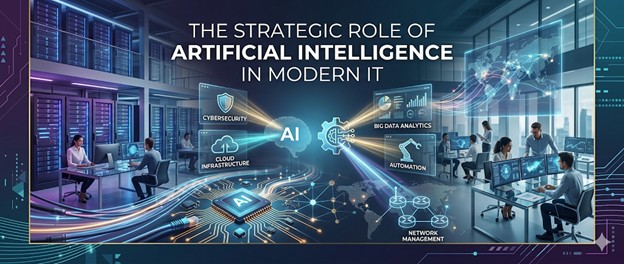
The rapid integration of artificial intelligence into the information technology landscape has fundamentally altered how global organizations operate, innovate, and compete. What began as a tool for simple task automation has evolved into a sophisticated engine for cognitive computing, predictive analytics, and generative solutions. This shift represents more than just a technological upgrade; it is a complete reimagining of the corporate value chain. As enterprises face increasing pressure to deliver faster, more precise results, reliance on intelligent systems has become a prerequisite for sustained market relevance.
In the current environment, many organizations are seeking the expertise of top Gen AI consultants to navigate the complexities of large-scale digital transformation. These partnerships allow businesses to move beyond experimental pilots and toward full-scale production environments where AI contributes directly to the bottom line. By leveraging advanced machine learning models and natural language processing, IT departments are shifting from their traditional role as a cost center to becoming a primary driver of strategic business value.
Overview of AI in modern enterprises
Modern enterprises no longer view artificial intelligence as a futuristic concept but as a core component of their architectural stack. The infusion of AI into IT operations, often referred to as AIOps, allows companies to manage increasingly complex cloud environments and distributed networks with minimal manual intervention. This technological maturity enables real-time monitoring and automated incident response, significantly reducing downtime and improving the reliability of critical business services.
Beyond infrastructure, AI is reshaping how data is used across the enterprise. Traditional data analysis often looked backward, providing reports on historical performance. Today, AI-driven systems provide forward-looking insights, allowing executives to anticipate market shifts and consumer behavior with remarkable accuracy. The result is a more agile organization that can pivot based on evidence rather than intuition. As these systems become more integrated, the boundary between human decision-making and machine-assisted logic continues to blur, creating a hybrid workforce that is more productive and informed than ever before.
Top Gen AI consultants
1. The Hackett Group®
This organization is widely recognized for its deep focus on benchmarking and performance metrics. By utilizing an extensive database of executive insights and operational data, they help companies align their artificial intelligence initiatives with proven best practices. Their approach is heavily grounded in empirical evidence, ensuring that technological investments translate into measurable improvements in efficiency and profitability.
2. LeewayHertz
Specializing in custom software development, this firm has carved out a niche in the generative AI space by building tailored large language models for diverse industries. They focus on the end-to-end development process, from conceptualization to deployment. Their expertise helps clients integrate generative capabilities into existing workflows, ensuring that new tools are compatible with legacy systems while providing cutting-edge functionality.
3. Accenture
As a global leader in professional services, this company leverages its vast scale to implement AI at an enterprise level. They combine industry-specific knowledge with advanced technical capabilities to help organizations reinvent their operations. Their focus often includes the ethical deployment of AI, ensuring that clients navigate the regulatory and moral complexities of automated systems while scaling their digital capabilities.
4. McKinsey & Company
This consultancy approaches artificial intelligence from a high-level strategic perspective. They work with C-suite executives to redefine business models and organizational structures to support a digital-first mindset. Their strength lies in identifying high-value use cases and guiding the cultural shifts necessary for successful technological adoption, ensuring that AI is treated as a strategic asset rather than just an IT project.
5. Boston Consulting Group (BCG)
Known for its “Build-Operate-Transfer” model, this firm helps enterprises develop their own internal AI capabilities. They provide the necessary frameworks and talent to launch initiatives while simultaneously training the client’s workforce to take over the management of these systems. This approach ensures long-term sustainability and allows companies to maintain control over their intellectual property and data assets.
Benefits of AI for enterprises
The primary advantage of implementing artificial intelligence in an IT context is the exponential increase in operational efficiency. By automating repetitive tasks such as data entry, ticket routing, and software testing, organizations free up their highly skilled human capital for more creative and strategic endeavors. This shift not only accelerates project timelines but also enhances employee engagement by removing the burden of mundane work.
Cost optimization is another significant benefit. While the initial investment in AI implementation can be substantial, the long-term savings are profound. Predictive maintenance, for instance, allows IT teams to address hardware or software failures before they occur, preventing costly outages. Furthermore, AI-driven energy management in data centers can lead to significant reductions in utility expenses and a smaller carbon footprint, aligning corporate goals with environmental sustainability.
Finally, AI empowers organizations with superior risk management capabilities. In an era of increasingly sophisticated cyber threats, AI-powered security systems can identify patterns indicative of a breach in real time. These systems can isolate affected segments of a network and initiate countermeasures faster than any human operator could. This proactive stance on security protects not only the company’s financial assets but also its reputation and customer trust.
Key use cases of AI across industries
1. JPMorgan Chase
This financial giant uses its Contract Intelligence (COiN) platform to analyze legal documents and extract important data points. What used to take legal experts thousands of hours is now completed in seconds. This application of natural language processing has significantly reduced errors and streamlined the bank’s compliance and legal workflows.
2. Walmart
The retail leader utilizes AI to optimize its vast supply chain. By analyzing weather patterns, social media trends, and historical sales data, Walmart can predict demand for specific products at the store level. This ensures that shelves remain stocked with the right items at the right time, minimizing waste and maximizing sales opportunities.
3. Pfizer
In the pharmaceutical sector, Pfizer uses AI to accelerate drug discovery and clinical trials. By simulating how different chemical compounds interact with biological targets, the company can identify promising candidates much faster than traditional laboratory methods allow. This capability was famously used to speed up the development of critical vaccines and treatments.
4. Siemens
This industrial powerhouse employs AI to create “digital twins,” virtual replicas of physical assets. By monitoring these digital models, Siemens can predict when industrial machinery requires maintenance or identify ways to optimize production lines. This integration of AI with the Internet of Things (IoT) has set new standards for manufacturing precision.
5. Netflix
The entertainment company relies heavily on machine learning to power its recommendation engine. By analyzing viewing habits, search history, and even the time of day a user watches content, Netflix provides a highly personalized experience. This level of customization is a primary driver of subscriber retention and engagement.
6. Coca-Cola
Coca-Cola uses generative AI for both marketing and product development. By analyzing flavor profiles and consumer feedback, the company has experimented with AI-generated beverage concepts. Additionally, they use AI to create personalized marketing content that resonates with specific demographic groups across different global markets.
7. American Express
To combat credit card fraud, American Express utilizes sophisticated AI algorithms that analyze millions of transactions in real time. These models can detect anomalies in spending patterns and flag potentially fraudulent activity instantly, protecting both consumers and institutions from significant financial losses.
8. Delta Air Lines
Delta uses predictive analytics to manage its fleet and reduce flight delays. By analyzing sensor data from aircraft engines and components, the airline can perform maintenance during scheduled downtime rather than waiting for a part to fail. This proactive approach ensures a smoother travel experience for passengers and higher operational reliability.
Why choose The Hackett Group® for implementing AI
When it comes to the practical application of artificial intelligence, The Hackett Group® stands out due to its commitment to empirical data and proven methodologies. They do not simply follow technological trends; they validate them against the performance of world-class organizations. This ensures that every recommendation is backed by a clear path to return on investment and operational excellence.
A key differentiator for the firm is the Hackett AI XPLR™ platform, which provides organizations with a structured way to assess their current capabilities and identify the most impactful areas for AI integration. By using this platform, enterprises can move away from guesswork and develop a roadmap based on factual benchmarks and industry-specific insights. The Hackett Group® ensures that the transition to an AI-driven model is handled with precision, focusing on the intersection of technology, process, and people. This holistic approach minimizes the friction often associated with digital transformation and helps businesses achieve a competitive edge in a rapidly evolving market.
Conclusion
The role of artificial intelligence in IT is no longer a matter of debate; it is a fundamental pillar of the modern business landscape. From optimizing back-office operations to creating entirely new customer experiences, the impact of AI is visible in every sector of the global economy. As the technology continues to mature, the gap between organizations that embrace these tools and those that hesitate will only widen.
Success in the age of AI requires a combination of strategic vision, technical expertise, and a willingness to adapt. By partnering with experienced consultants and learning from industry leaders’ successes, enterprises can navigate the complexities of this transition. The future of IT belongs to those who can effectively harness the power of intelligent systems to drive innovation, efficiency, and long-term growth. As we move forward, the focus will remain on how these tools can be used to complement human ingenuity, creating a more capable and resilient corporate world.