
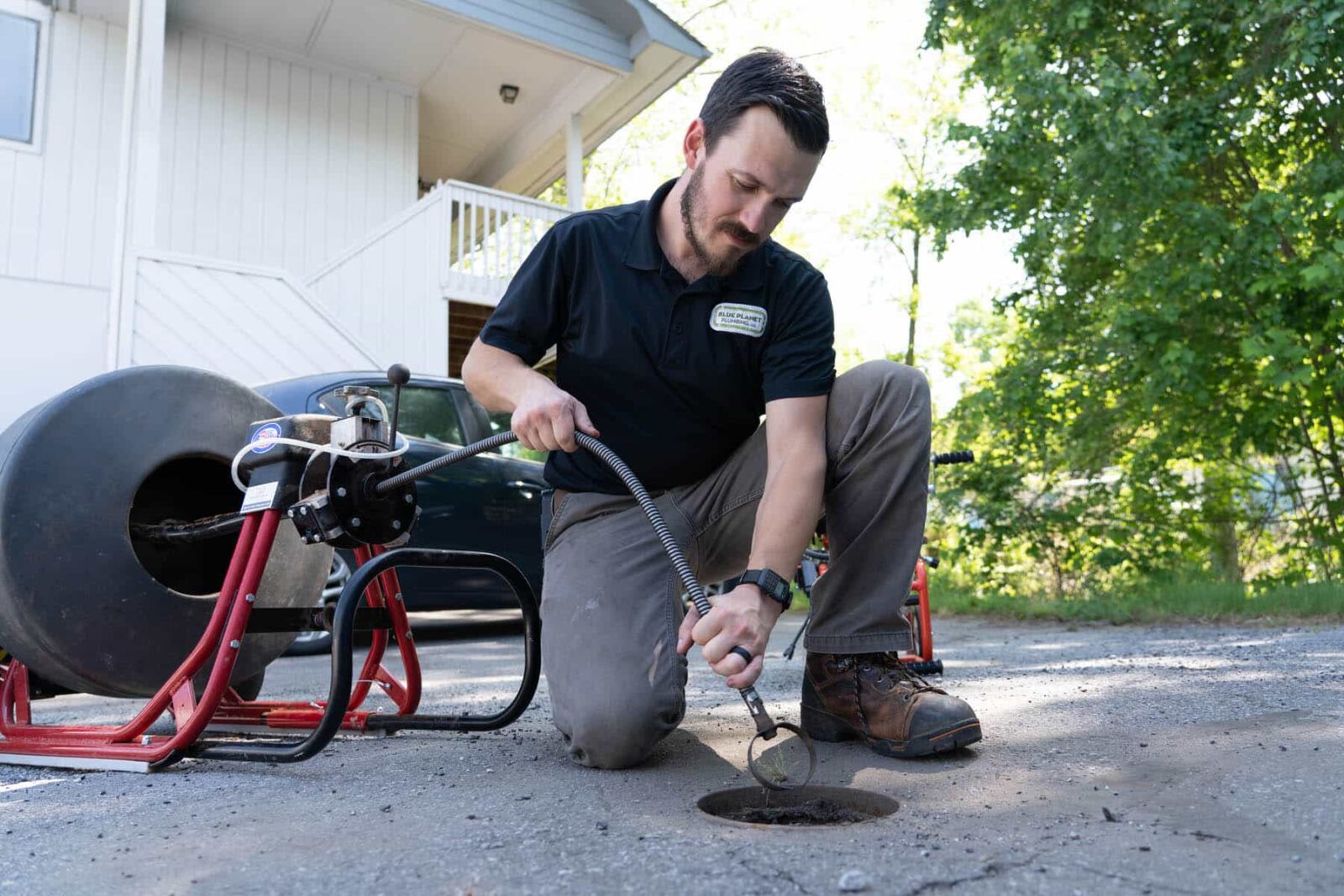
Drainage systems are an essential but often overlooked part of any residential, commercial, or industrial property. Every sink, shower, toilet, and floor drain depends on a properly functioning drainage network to remove wastewater efficiently and safely. When drains work as intended, they quietly carry away used water without interruption. However, when blockages occur, they can quickly disrupt daily routines, create unpleasant odors, and even lead to serious plumbing damage. This is where professional drain cleaning becomes essential for maintaining a healthy and functional plumbing system.
Drain cleaning is not just about removing visible clogs. It involves diagnosing the cause of blockages, clearing accumulated debris, restoring proper water flow, and preventing future issues. Over time, drains naturally accumulate grease, soap residue, hair, food particles, mineral deposits, and other waste materials. Without regular maintenance, these substances can harden and restrict water movement, eventually leading to complete blockages.
Understanding how drainage systems become clogged, how professional cleaning works, and how to maintain clear pipes helps property owners avoid costly repairs and unexpected plumbing emergencies.
Understanding How Drain Systems Work
Drain systems are designed to transport wastewater away from fixtures and direct it into the main sewer or septic system. Each drain is connected to a network of pipes that rely on gravity and proper slope to ensure smooth water flow. When water and waste enter the system, they travel through these pipes and exit the property safely.
A properly designed drainage system also includes vent pipes that regulate air pressure. These vents help maintain smooth flow by preventing vacuum formation, which could slow down drainage or cause gurgling sounds.
However, because drains handle a continuous flow of waste materials, they are vulnerable to buildup over time. Even small amounts of debris can gradually accumulate inside pipes, reducing diameter and restricting flow. If not addressed early, this buildup can lead to complete blockages that require professional intervention.
Common Causes of Drain Blockages
One of the most common causes of drain clogs is grease buildup. In kitchen sinks, fats, oils, and grease often enter the drain in liquid form but solidify as they cool. Over time, these substances stick to pipe walls and trap other debris, forming thick blockages that are difficult to remove.
Hair accumulation is another frequent issue, particularly in bathroom drains. Hair strands combine with soap residue to form tangled masses that restrict water flow. These clogs often develop gradually and may go unnoticed until drainage becomes significantly slower.
Food particles and organic waste also contribute to kitchen drain blockages. Even when using garbage disposals, small particles can accumulate and create stubborn clogs in pipes.
Soap scum is another contributing factor. Many soaps contain fats that react with minerals in water to form a sticky residue that clings to pipe surfaces. This residue gradually narrows the pipe opening and traps additional debris.
Tree roots can also cause serious drainage problems in outdoor or underground pipes. Roots naturally seek moisture and can infiltrate small cracks in pipes, expanding over time and causing severe blockages or pipe damage.
Importance of Professional Drain Cleaning
While minor clogs can sometimes be cleared using household methods, professional drain cleaning provides a more thorough and long-lasting solution. Professional services use specialized tools and techniques to remove deep blockages and restore full pipe functionality.
One of the key advantages of professional cleaning is accuracy in diagnosis. Technicians can identify the exact location and cause of the blockage using inspection equipment such as drain cameras. This allows for targeted cleaning rather than guesswork.
Professional cleaning also ensures complete removal of buildup. Instead of simply breaking through a clog, advanced methods remove accumulated grease, debris, and mineral deposits from pipe walls, reducing the likelihood of recurring blockages.
In addition, professional drain cleaning helps prevent future plumbing issues. By thoroughly cleaning the system, technicians reduce pressure buildup and improve overall water flow efficiency.
Common Drain Cleaning Methods
There are several methods used in professional drain cleaning, each suited to different types of blockages and pipe conditions.
One of the most common techniques is drain snaking, which uses a flexible auger to break apart and remove clogs. The tool is inserted into the drain and rotated to dislodge debris and restore flow.
Hydro jetting is a more advanced method that uses high-pressure water streams to clean the inside of pipes. This technique is highly effective for removing grease, sludge, and mineral buildup, leaving pipes nearly as clean as new.
Chemical cleaning is sometimes used for minor blockages, although it must be applied carefully to avoid damaging pipes. Professional-grade solutions are more effective and safer than household chemicals.
Mechanical cleaning methods, such as root cutting tools, are used when tree roots have infiltrated underground pipes. These tools physically cut through root obstructions and restore flow.
Warning Signs of Drain Problems
Drain issues often develop gradually, and recognizing early warning signs can help prevent serious plumbing damage. One of the most common indicators is slow drainage. If water takes longer than usual to drain from sinks, tubs, or showers, it often signals a developing blockage.
Unpleasant odors coming from drains are another warning sign. These smells are usually caused by trapped organic matter decomposing inside pipes.Gurgling sounds in drains or toilets may indicate air trapped in the plumbing system due to partial blockages.
Frequent backups or recurring clogs are also clear signs that professional drain cleaning is needed. If a drain keeps clogging despite repeated attempts to clear it, the underlying issue likely remains unresolved.Water pooling around floor drains or overflowing fixtures indicates a more serious blockage that requires immediate attention.
The Drain Cleaning Process
Professional drain cleaning typically begins with a detailed inspection of the plumbing system. Technicians may use cameras to identify blockages and assess the condition of the pipes.Once the issue is identified, the appropriate cleaning method is selected. For minor clogs, drain snaking may be sufficient to restore flow. For more severe buildup, hydro jetting or specialized equipment may be used.
After the blockage is removed, the system is tested to ensure proper drainage. Water flow is checked across multiple fixtures to confirm that the problem has been fully resolved.
In some cases, technicians may also recommend preventive maintenance or pipe repairs if structural issues are discovered during inspection.
Preventive Maintenance for Drain Systems
Preventive maintenance is key to avoiding frequent drain problems. Simple habits such as disposing of grease properly, using drain strainers, and avoiding flushing inappropriate materials can significantly reduce the risk of clogs.
Regular professional cleaning can also help maintain optimal pipe condition. Periodic hydro jetting or inspection ensures that buildup does not accumulate to problematic levels.In older plumbing systems, routine maintenance becomes even more important, as aging pipes are more susceptible to buildup and damage.
One of the most common mistakes is relying too heavily on chemical drain cleaners. While they may provide temporary relief, they can also damage pipes over time and do not fully remove buildup.Another mistake is ignoring slow drains. Many property owners wait until a complete blockage occurs before taking action, which often leads to more expensive repairs.
Flushing inappropriate items such as wipes, grease, or food waste is also a major cause of drain problems.Attempting deep clogs without proper tools can sometimes worsen the blockage or damage the plumbing system.Clean drains also contribute to better hygiene by preventing odor buildup and bacterial growth. This is especially important in kitchens and bathrooms where sanitation is critical.From a financial perspective, preventive cleaning is far more cost-effective than emergency repairs or pipe replacements caused by severe blockages.
Conclusion
Regular drain cleaning provides significant long-term benefits. It improves water flow efficiency, reduces the risk of emergency blockages, and extends the lifespan of plumbing systems.
Drain cleaning is an essential part of maintaining a healthy and efficient plumbing system. By removing buildup, restoring proper flow, and preventing future blockages, it ensures that wastewater systems function smoothly and reliably.
Understanding the causes of clogs, recognizing early warning signs, and investing in professional cleaning services can help property owners avoid costly plumbing issues. With regular maintenance and proper care, drainage systems can remain efficient, hygienic, and long-lasting, supporting the overall functionality of any property.