
Introduction
Roofing systems are one of the most important structural components of any building, providing essential protection against weather conditions such as rain, wind, heat, and snow. A strong and well-maintained roof not only safeguards the interior of a property but also contributes to its energy efficiency, structural integrity, and overall aesthetic appeal. Because roofs are constantly exposed to environmental stress, they naturally require installation expertise, regular maintenance, and occasional repairs to ensure long-term performance. This is where professional roofers play a vital role in delivering reliable roofing solutions that protect homes and commercial buildings for years.
A roof is more than just a covering; it is a complex system made up of multiple layers including shingles or other surface materials, underlayment, flashing, ventilation components, and structural framing. Each part must function correctly to ensure that the entire system performs efficiently. When even one component fails, it can lead to leaks, energy loss, and structural damage. Understanding roofing systems and the importance of professional services helps property owners make informed decisions that protect their investment.
Understanding Roofing Systems and Their Function
Roofing systems are designed to provide a protective barrier between the interior of a building and external environmental conditions. They are built using a combination of materials that work together to prevent water infiltration, regulate temperature, and withstand physical stress caused by wind and debris.
The outer layer of a roof, often made from shingles, tiles, or metal panels, serves as the first line of defense against weather exposure. Beneath this layer, underlayment materials provide an additional waterproof barrier that prevents moisture from reaching the structural framework. Flashing is installed around roof penetrations such as chimneys, vents, and skylights to seal vulnerable areas where leaks are most likely to occur. Proper ventilation systems are also integrated to regulate airflow and prevent heat and moisture buildup within the attic space.
Because roofing systems are composed of multiple interconnected components, proper installation and maintenance are essential for ensuring long-term durability and performance.
Importance of Professional Roofing Installation
The quality of roof installation has a direct impact on its lifespan and performance. Even high-quality materials can fail prematurely if they are not installed correctly. Improper installation can lead to issues such as water leaks, loose materials, poor insulation, and structural damage over time.
Professional installation ensures that all roofing components are properly aligned, sealed, and secured according to industry standards. Experienced contractors understand how to assess roof structures, prepare surfaces, and apply materials in a way that maximizes durability and weather resistance. Proper installation also ensures that the roof is capable of handling environmental stress such as heavy rain, strong winds, and temperature fluctuations.
Skilled roofers use precise techniques to ensure that every layer of the roofing system works together effectively. This attention to detail helps prevent common roofing problems such as shingle curling, flashing failure, and premature wear.
Common Roofing Materials and Their Applications
There are several types of roofing materials available, each offering different advantages depending on the needs of the property. Asphalt shingles are the most widely used roofing material due to their affordability, ease of installation, and reliable performance. They are available in a variety of styles and colors, making them suitable for many architectural designs.
Metal roofing is known for its durability and long lifespan, often lasting significantly longer than traditional materials. It is resistant to extreme weather conditions, fire, and pests, making it an excellent choice for both residential and commercial properties. Tile roofing, often made from clay or concrete, offers a distinctive appearance and strong resistance to heat and fire, though it is heavier and requires proper structural support.
Flat roofing systems are commonly used in commercial buildings and modern residential designs. These systems require specialized materials such as modified bitumen, TPO, or EPDM membranes to ensure waterproofing and durability.
Each material has unique characteristics, and selecting the right one depends on factors such as climate, budget, and architectural style.
Signs of Roofing Problems and Damage
Roofing systems often show warning signs before serious damage occurs, and recognizing these signs early can prevent costly repairs. One of the most common indicators is water leakage, which may appear as stains on ceilings or walls inside the building. Missing or damaged roofing materials, such as shingles or tiles, can expose the underlying structure to moisture and lead to further deterioration.
Other signs include sagging roof sections, which may indicate structural issues, and granule loss from shingles, which reduces their protective capabilities. Moss or algae growth on the roof surface can also signal moisture retention problems that may affect the integrity of the materials over time.
Unusual increases in energy bills may also indicate roofing issues, as poor insulation or ventilation can cause heating and cooling systems to work harder. Addressing these problems early helps prevent more extensive damage and extends the lifespan of the roof.
Role of Professional Roofing Experts
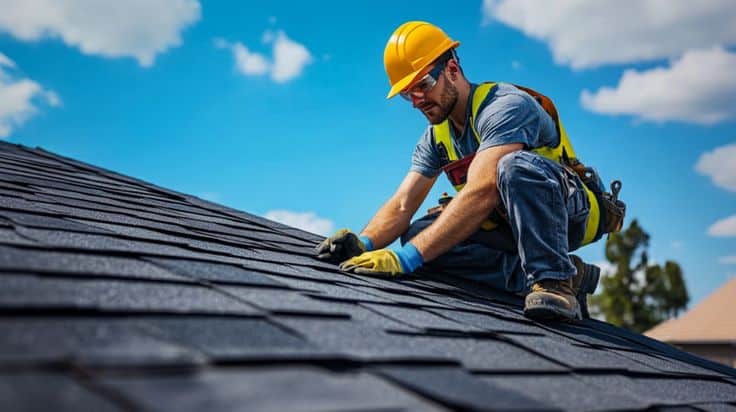
Roofing work requires specialized knowledge, experience, and safety precautions due to the complexity and risks involved. Professional contractors are trained to handle installation, repair, and maintenance tasks efficiently and safely. They understand how to evaluate roofing systems, identify potential issues, and implement solutions that ensure long-term performance.
Working with experienced roofers ensures that projects are completed according to industry standards and building codes. Professionals also have access to high-quality materials and advanced tools that improve the quality and durability of roofing work. Their expertise helps property owners avoid costly mistakes and ensures that roofing systems perform reliably under all conditions.
Many property owners rely on trusted services from roofers to ensure their roofs are properly installed, maintained, and repaired for long-term protection and value.
Roof Maintenance and Longevity
Regular maintenance is essential for extending the lifespan of any roofing system. Routine inspections help identify early signs of damage such as loose shingles, cracked flashing, or clogged drainage systems. Cleaning debris from the roof surface and gutters helps prevent water buildup and reduces the risk of leaks.
Small repairs should be addressed promptly to prevent minor issues from developing into major structural problems. Replacing damaged materials and sealing vulnerable areas helps maintain the integrity of the roof and ensures continued protection against weather conditions.
Proper maintenance not only extends the life of the roof but also improves energy efficiency and reduces long-term repair costs. A well-maintained roof performs better and provides more reliable protection over time.
Energy Efficiency and Roofing Systems
Modern roofing systems play an important role in improving energy efficiency within buildings. Reflective roofing materials help reduce heat absorption, keeping indoor spaces cooler during hot weather. Proper insulation and ventilation also contribute to maintaining stable indoor temperatures, reducing the need for excessive heating or cooling.
Energy-efficient roofing systems help lower utility bills while also reducing environmental impact. By minimizing energy consumption, these systems support sustainable building practices and improve overall comfort for occupants.
Long-Term Value of Quality Roofing
Investing in a high-quality roofing system provides long-term benefits that extend beyond basic protection. A durable roof enhances property value, improves energy efficiency, and reduces maintenance costs over time. It also contributes to the overall appearance and structural integrity of the building.
A well-maintained roof increases buyer confidence in real estate markets, making properties more attractive and valuable. The combination of durability, efficiency, and aesthetic appeal makes quality roofing one of the most important investments for any property owner.
Conclusion
Roofing systems are essential for protecting buildings, maintaining energy efficiency, and ensuring long-term structural integrity. Because roofs are constantly exposed to environmental conditions, they require proper installation, regular maintenance, and occasional repairs to perform effectively. Professional roofers provide the expertise needed to ensure that roofing systems are installed correctly and maintained for long-lasting durability.
By choosing quality materials, ensuring proper installation, and investing in regular maintenance, property owners can maximize the lifespan and performance of their roofs. A strong and well-maintained roofing system not only protects the structure but also enhances comfort, reduces energy costs, and increases overall property value, making it one of the most important components of any building.