
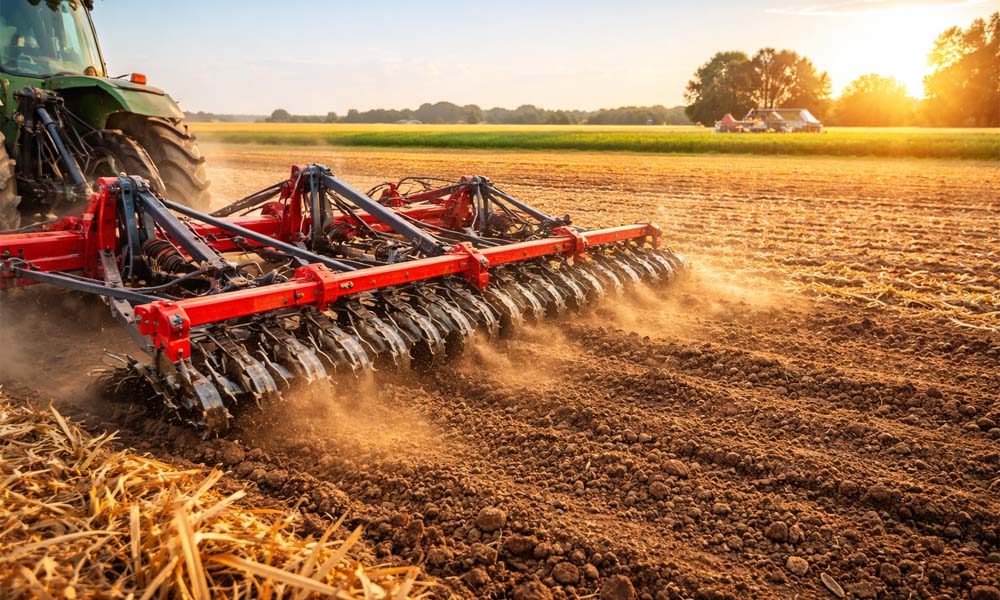
Have you ever looked at your field and wondered why some crops grow strong while others struggle? Many farmers face this problem every season. Even after hard work, the soil may not be ready, and seeds may not grow evenly. This can feel frustrating and confusing.
Now imagine a simple tool that helps fix these small problems before planting. That tool is called a messeregge. It may sound like a big or complex word, but in reality, it is a very simple and smart farming tool that makes a big difference.
In 2026, farming is not just about working harder. It is about working smarter. Tools like the messeregge help farmers save time, save fuel, and get better crop results without damaging the soil. That is why more and more farmers are starting to use it.
In this article, we will talk about everything in a very easy way. You will learn what a messeregge is, how it works, where it came from, and why it is so useful. By the end, you will clearly understand why this simple tool can improve your farming results.
What Is Messeregge? (Easy Meaning)
Let’s keep it very simple. A messeregge is a light farming tool that is used to prepare the top layer of soil. It works on the surface and does not dig deep into the ground like heavy machines do. This makes it gentle and very useful.
The word messeregge comes from German. “Messer” means knife, and “Egge” means harrow. So, it simply means a knife harrow. This gives you a clear idea of how it works. It uses sharp blades to cut and clean the soil surface.
Unlike big machines like disc harrows, the messeregge does not turn the soil upside down. Instead, it only works on the top layer. It cuts small plants, breaks hard soil, and makes the surface smooth. This helps seeds grow better.
So, in easy words, a messeregge is a smart tool that cleans, levels, and prepares your field without harming the soil. It is simple, but it does a very important job.
Where Did Messeregge Come From?
Farming tools have changed a lot over time. Long ago, farmers used very simple tools like wooden sticks and branches to prepare the soil. These tools worked, but they were slow and not very effective.
Later, metal tools were created. Farmers started using harrows with teeth to break soil and prepare fields. These tools were stronger, but they often disturbed the soil too much. This caused problems like soil damage and loss of nutrients.
In Europe, especially in countries like Germany and Austria, farmers wanted a better solution. They needed a tool that could prepare the soil without harming it. This need led to the creation of the messeregge.
Over time, the messeregge became more advanced. Today, in 2026, it is used all over the world. Farmers now understand that healthy soil is very important, and tools like the messeregge help protect it while improving crop growth.
How Does Messeregge Work?
The working of a messeregge is very simple and easy to understand. It has sharp blades that move over the soil surface. These blades cut through small plants, break hard crust, and level the field.
The tool works at a very shallow depth, usually around 1 to 5 cm. This means it only touches the top layer of the soil. It does not dig deep, so the natural structure of the soil stays safe and healthy.
When the tractor pulls the messeregge, the blades move smoothly across the field. They slice the soil gently instead of mixing or turning it. This keeps the soil in good condition and helps water and air stay inside.
After one pass, the field looks more even and soft. This makes it easier for seeds to settle properly. Better seed-to-soil contact means better crop growth, which is what every farmer wants.
Main Parts of a Messeregge
A messeregge may look simple, but it has a few important parts that work together. Each part has a clear job, and understanding them helps you use the tool better.
First, there is the frame. This is the strong body that holds everything together. It is built to be stable and light at the same time. This helps the tool move easily across the field.
Next are the blades or knives. These are the most important parts. They cut the soil, break crust, and handle residue. They are usually made from strong steel so they stay sharp for a long time.
There is also a connection system that attaches the messeregge to a tractor. Some models also have an angle adjustment system. This lets you change how the blades hit the soil. In some cases, a roller is added at the back to make the soil even smoother.
Different Types of Messeregge
Not all messeregge tools are the same. There are different types based on size, design, and how they are used. Choosing the right type depends on your farm and your needs.
One common type is the front-mounted messeregge. This is attached to the front of a tractor. It is often used with other tools to prepare the soil in one go. This saves time and effort.
Another type is the tractor-mounted messeregge, which is attached at the back. This type is simple and easy to use. It is good for general soil preparation and works well on many farms.
There are also differences in blade styles. Some have straight blades, while others have serrated edges. Larger farms may use wider models, while small farms use compact ones. This makes the messeregge flexible for all kinds of farmers.
What Is Messeregge Used For?
The messeregge is a very useful tool because it can do many small but important jobs. Farmers use it before planting to make sure the soil is ready for seeds.
One common use is breaking hard soil crust after rain. Sometimes, the top layer becomes hard, and seeds cannot grow easily. The messeregge gently breaks this layer and makes the soil soft again.
It is also used to cut crop residue. After harvesting, small plant remains stay on the field. The messeregge cuts and spreads them evenly, which helps in better soil health.
Another important use is leveling the field. It smooths out small bumps and tracks made by machines. This makes planting easier and improves crop growth. It can also help with light weed control by cutting small weeds on the surface.
Big Benefits of Using Messeregge
One of the biggest reasons farmers love the messeregge is that it saves fuel. Heavy machines use a lot of power, but this tool is light and efficient. This means lower fuel costs and less time spent in the field.
Another big benefit is better crop growth. When the soil is smooth and soft, seeds get better contact with the soil. This helps them grow faster and more evenly, which improves overall yield.
The messeregge also protects soil health. It does not disturb the deep layers, so the natural life in the soil stays safe. This is very important for long-term farming success.
It also works well in modern farming systems like no-till and low-till farming. These methods focus on keeping the soil healthy, and the messeregge fits perfectly into this idea.
Messeregge vs Other Farming Tools
Many farmers ask how the messeregge is different from other tools. This is a good question because choosing the right tool can save time and money.
Compared to a disc harrow, the messeregge is much lighter. A disc harrow digs deep and mixes the soil, while the messeregge only works on the surface. This makes it better for gentle soil work.
When compared to a chain harrow, the messeregge is more powerful. Chain harrows are good for light tasks, but they cannot cut residue as well as a messeregge can.
It also performs better than a spike-tooth harrow in many cases. The messeregge gives a cleaner cut and does not clog easily. This makes it a better choice for modern farming needs.
How To Use Messeregge Step by Step
Using a messeregge is simple, but doing it the right way gives the best results. First, always check the tool before starting. Make sure the blades are clean and sharp.
Next, set the right depth and angle. Start with a shallow setting, around 2 cm. You can adjust later based on your soil condition. This helps avoid mistakes.
Drive the tractor at a steady speed. Usually, a medium speed works best. Moving too fast can reduce quality, while moving too slow may waste time.
After working on a small area, stop and check the soil. If needed, adjust the settings. This step helps you get the best result for your entire field.
Common Mistakes to Avoid
Many farmers make small mistakes when using a messeregge, and these mistakes can reduce its benefits. One common mistake is using the tool on very wet soil. When the soil is too wet, it becomes sticky and messy, and the blades cannot work properly.
Another mistake is running the messeregge too deep. This tool is made for shallow work, so going too deep can damage the soil structure. It can also increase fuel use and reduce the smooth finish that farmers want before planting.
Some farmers also drive too fast while using the messeregge. Speed is important, but too much speed can reduce the quality of work. The blades may not cut properly, and the soil may not become even and soft as needed.
Lastly, many people forget to check or sharpen the blades. Dull blades do not cut well, and this affects the whole field. Always make sure your messeregge is in good condition before starting your work.
How To Take Care of Your Messeregge
Taking care of your messeregge is very important if you want it to last for many years. After every use, you should clean the tool properly. Remove soil, dust, and plant remains so the blades stay in good shape.
It is also important to keep the blades sharp. Sharp blades cut better and make your work easier. You can use simple tools to sharpen them or replace them when needed. This keeps your messeregge working like new.
You should also protect the metal parts from rust. After cleaning, make sure the tool is dry. If possible, apply a light oil to the blades before storing it. This helps protect the tool from damage over time.
Finally, always store your messeregge in a dry and safe place. Check bolts and parts regularly to make sure everything is tight. Good care means better performance and longer life.
How To Choose the Right Messeregge
Choosing the right messeregge depends on your farm needs. First, think about your tractor power. A small tractor needs a smaller messeregge, while a big tractor can handle a wider one.
Next, look at your soil type. If your soil is heavy, you may need stronger blades. If your soil is light, a simple model will work well. Matching the tool with your soil gives better results.
You should also think about blade type. Some messeregge tools have straight blades, while others have serrated edges. Serrated blades are good for cutting tough residue, while straight blades are good for smooth work.
Budget is also important. There are many options in the market, from simple to advanced models. Choose a messeregge that fits your needs and gives you good value for money.
Why Messeregge Is Important for Modern Farming
In 2026, farming is changing fast. Farmers now focus more on soil health and long-term results. The messeregge fits perfectly into this new way of farming because it protects the soil while improving crop growth.
One big reason why the messeregge is important is that it supports no-till and low-till farming. These methods reduce soil damage and help keep nutrients inside the ground. The messeregge works gently, so it supports these systems very well.
Another reason is cost saving. Fuel prices are rising, and farmers want tools that use less power. The messeregge is light and efficient, so it helps reduce fuel use and saves money over time.
It also helps farmers get better results without extra effort. A smooth and well-prepared field leads to better seed growth. This means healthier crops and higher yields in the long run.
Future of Messeregge in Farming
The future of the messeregge looks very bright. As more farmers move toward smart farming, tools like this will become even more useful. New technology is already being added to improve its performance.
In the future, messeregge tools may include smart sensors. These sensors can check soil condition and adjust the tool automatically. This helps farmers get perfect results without guessing.
There is also a growing focus on eco-friendly farming. The messeregge supports this by reducing soil damage and saving fuel. This makes it a good choice for farmers who care about the environment.
Young farmers are also showing more interest in simple and smart tools. They want tools that are easy to use but still give great results. The messeregge fits this need perfectly and will stay important in the years ahead.
Conclusion
The messeregge may look like a simple tool, but it can make a big difference on your farm. It helps prepare the soil in a gentle way, which improves seed growth and protects the land at the same time.
It is easy to use, saves fuel, and works well in many farming systems. Whether you have a small farm or a large one, the messeregge can help you get better results without extra effort.
By using the messeregge the right way and taking good care of it, you can improve your farming over time. Small changes like this can lead to big success in the future.
So, if you want better crops, healthier soil, and smarter farming, the messeregge is a tool worth trying. It is simple, powerful, and built for the future of farming.
(FAQs)
What is a messeregge in simple words?
A messeregge is a light farming tool used to work on the top layer of soil. It has sharp blades that cut residue, break hard soil, and make the field smooth. It does not dig deep, so it keeps the soil healthy.
How deep does a messeregge work in the soil?
A messeregge usually works at a shallow depth of about 1 to 5 cm. This means it only touches the surface layer. This helps protect soil structure and keeps nutrients and moisture inside the ground.
What is the main use of a messeregge?
The main use of a messeregge is to prepare the soil before planting. It breaks soil crust, cuts crop residue, levels the field, and improves seed-to-soil contact. This helps seeds grow better and more evenly.
Can a messeregge improve crop growth?
Yes, it can improve crop growth. By making the soil soft and even, it helps seeds settle properly. This leads to better germination and stronger plant growth, which can increase overall crop yield.
Is messeregge good for no-till farming?
Yes, the messeregge is very good for no-till and low-till farming. It works only on the surface and does not disturb deeper soil layers. This helps keep the soil healthy and supports modern farming methods.
How is a messeregge different from a disc harrow?
A disc harrow digs deep and turns the soil, while a messeregge only works on the surface. The messeregge is lighter, uses less fuel, and keeps the soil structure safe. It is better for gentle soil preparation.
What type of soil is best for using a messeregge?
A messeregge works well on most soil types, including clay and sandy soil. You just need to adjust the depth and angle based on the condition. It works best when the soil is slightly moist, not too wet or too dry.
How fast should you drive when using a messeregge?
The best speed is usually medium, around 8 to 12 km/h. Driving too fast can reduce the quality of work, while driving too slow can waste time. A steady speed gives the best results.
How often should messeregge blades be sharpened or replaced?
Blades should be checked regularly and sharpened when they become dull. In many cases, they may need attention after working on large areas of land. Sharp blades are important for clean cutting and better performance.
Is a messeregge expensive to buy and maintain?
A messeregge is generally affordable compared to heavy farming machines. It also has low running costs because it uses less fuel and needs simple maintenance. This makes it a cost-effective tool for many farmers.
You may also read: Shelly D’Valle: From Small Dreams to Big Success – Her Journey Will Inspire You