
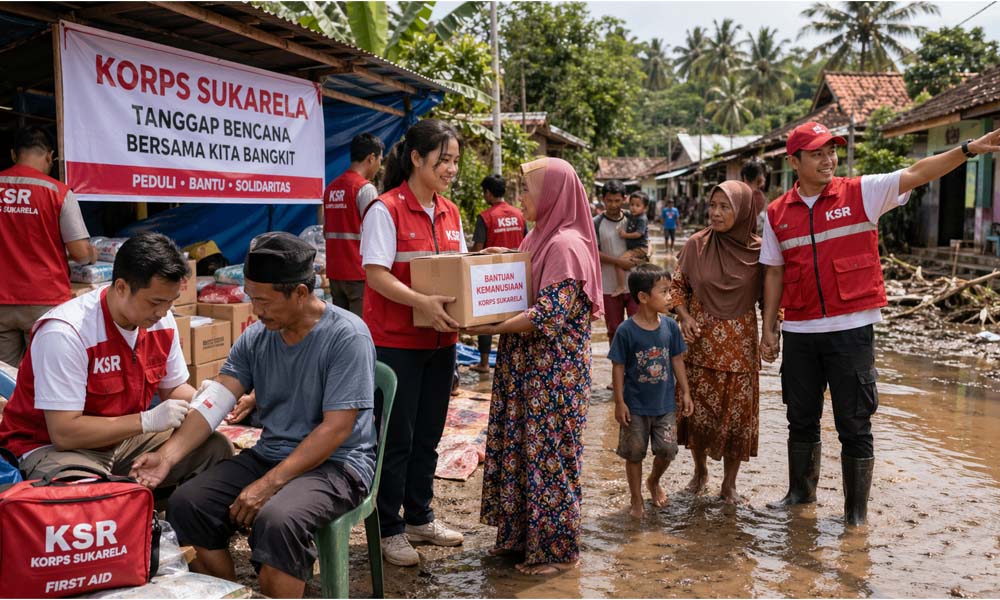
Have you ever seen people helping others after a flood, earthquake, or health emergency and wondered who they are? In many parts of Indonesia, that helping hand often comes from Korps Sukarela. This volunteer team is known for showing up when people need support the most. They help during disasters, health programs, blood drives, and many other community activities.
What makes Korps Sukarela special is that it is not just a group of kind people who want to help. It is a trained and organized team under Palang Merah Indonesia (PMI). That means the work is more prepared, more careful, and more useful. When a hard situation happens, trained volunteers can make a big difference.
In this article, we will explore Korps Sukarela in a very simple and clear way. We will look at what it means, how it started, how it works with PMI, what values it follows, who can join, and how people become volunteers. We will move step by step, so everything feels easy to understand.
What Is Korps Sukarela?
Korps Sukarela means Volunteer Corps. In simple words, it is a group of people who choose to help others without getting paid. These volunteers work under PMI, which is the Indonesian Red Cross. Their job is to support people in emergencies, health work, and community service.
But Korps Sukarela is not just about showing up and helping in random ways. It is a structured team. Members are trained before they start serving. They learn what to do, how to work as a team, and how to stay calm in serious moments. This makes them different from people who want to help but do not have the right training.
Think about a flood in a small town. Many people may want to help, and that is a good thing. But if no one knows how to organize food, move injured people, or set up a safe shelter, the work can become confusing. Korps Sukarela helps solve that problem. It turns the desire to help into real, useful action.
The Story Behind Korps Sukarela
The spirit behind Korps Sukarela is not new in Indonesia. For a long time, people in Indonesia have lived with the value of gotong royong, which means helping one another as a community. This spirit can be seen when neighbors come together to fix a problem, support a family, or rebuild after trouble.
Over time, people saw that this strong community spirit needed better organization, especially during disasters and health emergencies. That is where Korps Sukarela became very important. PMI gave this spirit a clear structure, so volunteers could train, prepare, and work together in a more effective way.
As the years passed, Korps Sukarela grew across Indonesia. It became active not only in cities, but also in local communities and campuses. Many schools and universities started their own units. This helped young people learn how to serve early in life. Today, Korps Sukarela is seen as one of the trusted volunteer groups in the country.
Korps Sukarela and PMI
To understand Korps Sukarela, it helps to understand PMI too. PMI stands for Palang Merah Indonesia, or the Indonesian Red Cross. It is a major humanitarian organization in Indonesia. PMI works in areas like disaster response, blood services, health support, and social care.
Korps Sukarela works under this larger system. That matters a lot. It means volunteers are not working alone. They are connected to local PMI branches at the city, district, and provincial levels. Because of this, their work is more organized and more trusted by the public.
This connection also helps during emergencies. When something serious happens, Korps Sukarela can be called and guided through PMI’s structure. Supplies, communication, and teamwork become easier to manage. In simple words, PMI gives Korps Sukarela a strong home, and that makes the team more ready to serve.
Korps Sukarela Values and Mission
Every strong team needs values, and Korps Sukarela is built on important ones. One of the biggest is humanity. This means helping people who are suffering and treating them with care and respect. The focus is always on people in need.
Another important value is neutrality. This means Korps Sukarela does not take sides when there is conflict or tension. Volunteers are there to help, not to judge or choose one group over another. They also believe in fairness, so help is given to people based on need, not based on status, background, or personal connection.
The spirit of volunteer service is also at the center of Korps Sukarela. Members do not join for money. They join because they want to serve. There is also a strong value of unity. Volunteers work together, support one another, and move with the same goal. These values are a big reason why many people trust Korps Sukarela when hard times come.
Who Can Join Korps Sukarela?
Many people ask, “Can I join Korps Sukarela?” In general, the answer is yes, if you meet the basic requirements and are ready to serve. Usually, volunteers need to be at least 18 years old, though some youth programs connected to PMI may involve younger people in training activities.
A person who wants to join should also be physically and mentally healthy. This is important because some volunteer work can be tiring or stressful. For example, helping during a flood or supporting a crowded health event needs energy, patience, and focus. Volunteers do not need to be perfect, but they do need to be ready.
More than anything, Korps Sukarela looks for people with the right heart and attitude. You do not need to come in as an expert. You can learn the skills later. What matters first is that you care about people, want to help, and are willing to commit your time. That simple wish to serve is where every good volunteer journey begins.
How to Join Korps Sukarela
Joining Korps Sukarela usually starts with finding your local PMI office or a campus KSR unit. In many places, recruitment opens during certain periods. Some branches share this through community notices, social media pages, or school and campus networks.
After that, you usually fill out a registration form. Some places may also ask for simple documents or a health check. This part helps the team understand who is applying and whether the person is ready for training. It is not about making things difficult. It is about making sure volunteers are prepared for the work ahead.
Once accepted, the next step is training. This is where new members begin to understand what Korps Sukarela really is. They start learning not only how to help others, but also how to work safely, responsibly, and as part of a team. For many people, this is the moment when interest turns into real commitment.
Korps Sukarela Training Explained
Training is one of the most important parts of Korps Sukarela. This is why the team is respected. Volunteers are not simply told to go help. They are first taught how to act in useful and safe ways. Basic training is often called diklat, which means education and training.
In this training, members learn things like first aid, basic life support, communication, teamwork, and disaster response. They also learn how to stay calm and think clearly in urgent situations. Imagine someone getting hurt during a crowded event. A trained Korps Sukarela volunteer will know how to respond better than someone who has never learned first aid.
After basic training, some volunteers continue into more advanced areas. They may focus on disaster readiness, health support, logistics, water and sanitation, or emotional support for people affected by crisis. Some join disaster teams such as Satgana. This shows that Korps Sukarela is not only broad in its mission, but also serious in building real skills.
Training also helps volunteers grow as people. It teaches discipline, responsibility, and confidence. Many members say they joined because they wanted to help, but stayed because they learned how meaningful service can be. That is one of the quiet strengths of Korps Sukarela. It changes not only the people being helped, but also the volunteers themselves.
What Korps Sukarela Volunteers Do
After training, Korps Sukarela volunteers take part in many kinds of work. Some tasks happen during emergencies, while others happen in normal daily life. This is one reason the team is so valuable. It is active not only in moments of crisis, but also in ongoing community care.
In daily life, volunteers may help run blood donation drives, join health campaigns, support local events, or take part in public education programs. For example, they may help teach people about hygiene, safe habits, or the importance of giving blood. These simple activities may not always make big news, but they quietly help communities stay stronger and safer.
Volunteers also work closely with other team members. They learn how to follow plans, support one another, and serve in an organized way. That teamwork is a big part of what makes Korps Sukarela effective. Helping others is important, but helping in the right way is what truly changes lives.
Korps Sukarela in Disaster Response
One of the biggest jobs of Korps Sukarela is helping during disasters. This is very important in Indonesia, where floods, earthquakes, landslides, tsunamis, and volcano eruptions can happen in many areas. When these hard moments come, people need help fast. That is when trained volunteers become very important.
Korps Sukarela volunteers often help with first aid, moving people to safer places, setting up shelters, and giving out food, water, and other supplies. Think about a family leaving home during a flood. They may feel scared, tired, and confused. A calm volunteer who gives clear help can make that moment a little less painful.
Another strong point is that Korps Sukarela does not work in a random way. Volunteers follow plans and work with PMI and other emergency teams. Because they are trained, they know how to handle crowds, support injured people, and keep things more organized. In a disaster, good order can save time, and sometimes it can save lives too.
Korps Sukarela and Public Health
The work of Korps Sukarela is not only about disasters. It also plays a big role in public health. This means helping people stay healthy before bigger problems happen. In many communities, this kind of support is just as important as emergency help.
For example, Korps Sukarela volunteers often help with blood donation drives. These events may look simple from the outside, but they are very important. Hospitals and patients need safe blood every day. Volunteers help organize the event, guide donors, and support the smooth flow of the program.
They also join health education work. This can include teaching people about clean habits, disease prevention, and basic care. In some places, volunteers help share simple health messages with young people and families. A short lesson on washing hands, clean water, or healthy living may sound small, but it can protect many lives over time.
Korps Sukarela in Community Life
A big part of Korps Sukarela is its work in daily community life. These volunteers do not only appear when there is danger. They also support people during normal times and help make neighborhoods stronger. This long-term work is one reason the team has such deep value.
In many areas, Korps Sukarela joins cleanup drives, tree planting, and waste awareness programs. These activities help keep the environment cleaner and safer. A simple cleanup in one area may reduce health risks, improve daily life, and even bring neighbors closer together. That is how small actions can create real change.
Some units also help with clean water projects, life-skill workshops, and social service events. These programs may support children, families, older people, or communities with fewer resources. Instead of only reacting to problems, Korps Sukarela also helps prevent them. That makes the team useful not just in emergencies, but in building a better future.
Benefits of Joining Korps Sukarela
Joining Korps Sukarela can change a person’s life in many good ways. The first benefit is learning useful skills. Volunteers often learn first aid, teamwork, leadership, communication, and how to stay calm in hard moments. These are not only volunteer skills. They are life skills too.
There is also strong personal growth. Many people join because they want to help others, but along the way, they become more confident and more aware of the world around them. Helping someone in a shelter, supporting a blood drive, or working in a team during training can teach lessons that stay with you for years.
Another big benefit is connection. Korps Sukarela brings together people who care about service. Volunteers often make friendships and build networks that last a long time. For students and young adults in 2026, this can also be helpful for future work, study, and community leadership. But more than anything, many volunteers say the best reward is the feeling that they truly mattered to someone.
Challenges Korps Sukarela Faces
Even though Korps Sukarela does great work, it still faces real challenges. One common problem is keeping volunteers active for a long time. Many members are students, workers, or busy adults. They may care deeply, but daily life can make regular service harder.
Another challenge is limited resources. Some units may not have enough equipment, transport, funding, or supplies. This can make training and field work more difficult, especially in areas that are far away or less developed. A strong spirit is important, but volunteers also need the tools to do their work well.
Large disasters can create even more pressure. In very serious events, the number of people who need help may be huge. Volunteers can become tired, stressed, or emotionally affected by what they see. That is why support, planning, and continued training are so important. Korps Sukarela does a lot, but like any group, it works best when it has strong backing from the community and institutions around it.
The Future of Korps Sukarela
Looking ahead in 2026 and beyond, the future of Korps Sukarela looks hopeful. One reason is technology. Digital tools can now help with communication, volunteer lists, reporting, and emergency updates. This can make the team faster and more organized during both daily work and crisis response.
There is also growing interest in more advanced skills. Some volunteers may learn disaster mapping, data support, or stronger community planning methods. Others may focus more on emotional care, sanitation, climate risk, or public education. This shows that Korps Sukarela is not standing still. It is growing with the needs of the time.
Climate change is also making this work more important. As weather problems and natural hazards continue, communities need stronger local support systems. Korps Sukarela can be a key part of that future. With better training, smart tools, and strong partnerships, the team can keep helping more people in better ways.
Why Korps Sukarela Changes Lives
So, why does Korps Sukarela change lives? The answer is simple. It brings help when help is needed most. For a family hit by a disaster, a volunteer may bring first aid, safety, food, or just calm support. In that moment, the help can feel life-changing.
But the impact goes even deeper than that. Korps Sukarela also changes the lives of volunteers. It teaches them how to care, how to lead, and how to work with others. A young person who joins for training may slowly become someone who can guide others in hard times. That kind of growth is powerful.
It also changes communities in quiet ways. It builds trust. It creates teamwork. It keeps the spirit of helping others alive. In a world where many people feel busy and distant, Korps Sukarela reminds us that simple service still matters. And sometimes, one act of care can start a much bigger change.
Conclusion
Korps Sukarela is much more than a volunteer name. It is a trained and trusted team that helps people through disasters, health work, and community service across Indonesia. Under PMI, it gives people a real way to serve with purpose, skill, and heart.
From its roots in gotong royong to its role in modern disaster response and public health, Korps Sukarela shows how organized volunteer work can truly improve lives. It supports communities in hard times, helps build stronger neighborhoods, and gives volunteers a chance to grow into caring and capable people.
If you have ever wanted to make a difference, the story of Korps Sukarela is a strong reminder that helping others still matters in 2026. It shows that service is not only about giving your time. It is also about building hope, learning useful skills, and becoming part of something bigger than yourself.
You may also read: Anna Ezratti: The Quiet Life of Itzhak Ezratti’s Wife Behind a Billion-Dollar Empire