
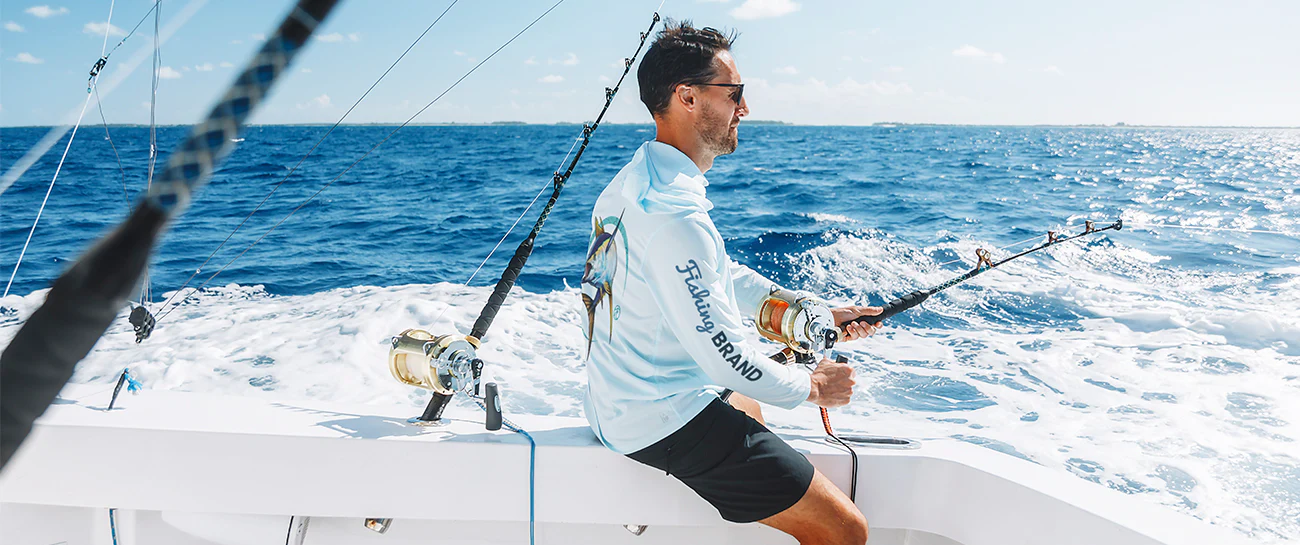
When heading out for a day on the water, the right gear is the difference between a memorable catch and a miserable sunburn. Most anglers don’t give much thought to the stitching or the weave of their shirts, but the world of fishing apparel is a high-tech corner of the garment industry. Modern fishing apparel manufacturers are essentially engineering outdoor survival gear that looks good enough to wear to a post-dock dinner.
Here is a look at what actually goes into making high-performance fishing clothes and why some shirts cost $20 while others go for $80.
It All Starts with the Thread: Fabric Science
The foundation of any fishing garment is its ability to handle moisture. Cotton is the enemy here. Once cotton gets wet, whether from a wave or sweat, it stays wet, gets heavy, and can actually pull heat away from the body, leading to chills.
Most manufacturers rely on synthetic blends, primarily polyester and nylon. Polyester is the workhorse of the industry because it is naturally hydrophobic, meaning it hates water. It pushes moisture to the surface where it can evaporate.
To make these synthetics comfortable, factories use a “micro-denier” knit. This creates a fabric that feels soft like cotton but performs like plastic. Many premium lines also incorporate spandex (or elastane) to provide a four-way stretch. This is crucial for the casting motion; you don’t want a shirt binding up across the shoulders when aiming for that perfect spot under the mangroves.
Solar Shielding: More Than Just a Rating
Sun protection is the most requested feature in the market today. While we usually think of sunscreen, fabric is actually a more reliable barrier. You’ll see most fishing shirts tagged with a UPF (Ultraviolet Protection Factor) rating.
A UPF 50+ rating means the fabric allows less than 1/50th of the sun’s UV radiation to reach the skin. Achieving this isn’t just about thickness. Manufacturers use tight weave patterns and sometimes infuse the fibers with minerals such as titanium dioxide or zinc oxide to reflect light. Unlike a spray-on finish, these mineral infusions don’t wash out after a few trips to the laundry.
The Engineering of Airflow
Even the best moisture-wicking fabric can feel like a plastic bag if there isn’t airflow. This is where construction gets clever. If you look at the back of a high-end fishing button-down, you’ll usually find a hidden mesh-lined vent.
Designers place these vents in “high-heat zones,” the shoulder blades and underarms. By using a cape-style vent, the shirt allows a breeze to enter while keeping the physical fabric off the skin, creating a personal cooling system. For those looking for local expertise in garment construction, many brands collaborate with specialized clothing manufacturers in Los Angeles to prototype these complex venting systems before moving to mass production.
Features That Actually Matter
A good fishing shirt is basically a wearable multi-tool. Several small features distinguish a professional-grade garment from a standard outdoor shirt:
- Antimicrobial Treatments:Fish guts and sweat are a recipe for bad smells. Manufacturers often treat fabrics with silver ion technology to stop bacteria from growing.
- Stain Release:Blood and slime are part of the job. High-end gear uses a DWR (Durable Water Repellent) coating or specific soil-release finishes so that those stains don’t become permanent souvenirs.
- The Hidden Lens Cloth:Many shirts now feature a small patch of microfiber sewn into the bottom hem. It’s a simple addition, but it’s a lifesaver for cleaning salt spray off polarized sunglasses.
- Articulated Seams:Instead of straight lines, seams are often curved to match the natural bend of an elbow or knee. This prevents chafing during a long day of movement.
Why Construction Quality Varies
When looking at the output from various fishing apparel manufacturers, the “giveaway” of quality is usually the stitching. Saltwater is incredibly abrasive. It can eat through cheap thread and corrode metal zippers in a single season.
Quality gear uses nylon-bonded thread and reinforced “bar-tack” stitching at stress points like pocket corners. Zippers are almost always plastic (YKK is the gold standard here) because plastic doesn’t oxidize or “salt up” like metal does. Even the buttons are typically made of high-impact resin to ensure they won’t crack if the shirt gets slammed against the gunwale of a boat.
Functionality Over Fashion
While the “bright neon” look was a trend for a while, there’s a move back toward earthy tones and technical “sublimation” prints. Sublimation is a process where ink is turned into a gas and bonded directly into the fibers. This is better for fishing gear because it doesn’t clog the pores of the fabric like traditional screen printing does, keeping the shirt breathable.
Lightweight hoodies have also taken over the scene. The “performance hoodie” provides neck protection that a standard collar can’t match, eliminating the need for a separate neck gaiter that often feels restrictive.
The Final Catch
Fishing shirts have evolved significantly since they were worn by fishermen in the past, who wore cumbersome and sweaty canvas vests. Today’s technology focuses on how to manage the heat, sun, and water so that anglers have longer periods in which to fish. The entirety of the shirt is carefully planned, from the way in which the fibers are manufactured to where any concealed pockets exist. When making an investment in quality fishing apparel, it is important to remember that not only is the appearance significant, but also the protection you will have while you are on the water.