
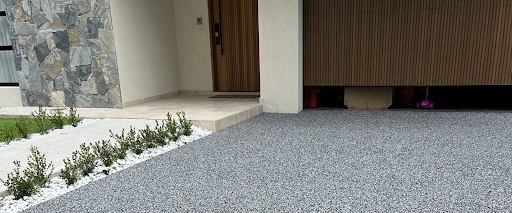
The growing focus on sustainable development and ecological responsibility has led to an increased use of innovative building materials and techniques. Among these advancements is the introduction of stoneset permeable paving, a practical solution for residential, commercial, and urban spaces. This permeable paving product not only meets aesthetic demands but also promotes better environmental health.
Functionality and Design
Stoneset permeable paving is celebrated for its unique ability to allow rainwater to permeate through the paved surface, reducing runoff and preventing flooding. The design integrates durability with advanced water management, turning otherwise impervious surfaces into sustainable drainage solutions. Its application is diverse, used in driveways, footpaths, car parks, and public spaces to create resilient urban environments.
Environmental Benefits
Traditional paving methods can often lead to increased surface water and flooding. However, permeable paving offers a significant advantage in mitigating these issues. By allowing water to infiltrate through the paving surface, it replenishes groundwater levels and reduces strain on public drainage systems.
Moreover, the selection of a suitable porous surface can aid in controlling urban heat since these materials absorb less heat than conventional asphalt, resulting in cooler urban climates. This factor makes stoneset permeable paving an integral part of modern eco-friendly urban planning.
Application in Urban Planning
Many municipalities are adopting permeable paving solutions as part of their sustainable urban strategies. By incorporating stoneset permeable paving in urban spaces, planners can effectively manage stormwater, decrease pollution runoff, and enhance their cities’ ecological footprint.
Furthermore, this paving system is not only environmentally beneficial but also aligns with every aspiration for innovative urban landscaping. The versatility in colour and design options allows spaces to maintain a high aesthetic standard, which is an added advantage for urban planners focused on visual appeal alongside functionality.
Economic Considerations
Beyond environmental advantages, stoneset permeable paving is a cost-effective solution for many projects. While the initial investment may be higher than conventional options, its long-lasting durability and reduced need for stormwater management infrastructure translate into lower long-term expenses.
Additionally, the ease of maintenance and repair for permeable paving can further contribute to cost savings. Its ability to withstand various weather conditions without significant wear and tear ensures that maintenance remains minimal, providing a sound economic investment for developers and city planners alike.
Installation and Maintenance
The process of installing stoneset permeable paving typically involves a professional assessment to determine the best materials and design for the specific site. Once these elements are chosen, the paving is laid with precision to ensure optimal permeability and function.
Maintaining the permeability and appearance of the stoneset paving requires regular cleaning to remove debris which might block the pores. Simple measures such as sweeping or washing occasionally can significantly extend the lifespan of the paving system.
Future Prospects of Sustainable Paving
As environmental concerns continue to shape the future of construction, the integration of sustainable materials like stoneset permeable paving is set to grow. Its role in achieving greener urban environments and mitigating climate change effects underscores its importance.
Research and innovation in this field are likely to introduce new compositions and technologies that enhance permeability and durability, further embedding permeable paving as a cornerstone of future-proof urban infrastructure.
Concluding Thoughts
The benefits of stoneset permeable paving stretch beyond environmental conservation. Its practicality, aesthetic flexibility, and cost-effectiveness place it at the forefront of sustainable construction practices. As cities worldwide search for ways to build smarter and more sustainably, integrating this advanced paving option is both a viable and essential path forward.
Ultimately, as more governments, businesses, and individuals recognise the multifaceted benefits of permeable solutions, stoneset paving will likely become a ubiquitous feature in landscapes aiming for sustainability and resilience.