
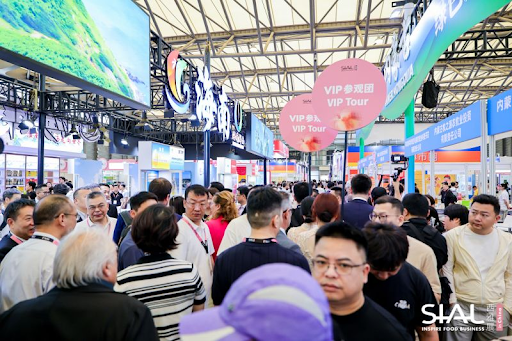
Attending a china fair can be an exciting opportunity for businesses in the food and beverage industry. Thousands of professionals gather under one roof, new products are showcased, and countless business conversations take place over just a few days. Yet there is an important reality that many first-time attendees discover too late: simply showing up does not guarantee results. Some companies leave a china trade show with valuable contacts, strong partnerships, and clear market opportunities. Others return home with little more than brochures and business cards.
The difference usually comes down to preparation, execution, and follow-up. Businesses that treat exhibitions as part of a broader growth strategy often gain significantly more value than those that approach them as isolated events. This guide outlines a practical framework that companies can use to maximize every stage of their exhibition experience.
Phase One: Define the Real Objective
Before attending a china fair, businesses should answer one important question: “What does success actually look like?” Many companies make the mistake of pursuing too many goals at once. Instead, focus on a primary objective such as:
- Finding distributors
- Identifying importers
- Building brand awareness
- Conducting market research
- Exploring sourcing opportunities
- Launching new products
A clear objective helps guide every decision before and during the event.
Phase Two: Understand the Market Environment
A china trade show is not just about presenting products. It is also an opportunity to understand market conditions. Before attending, businesses should research:
- Industry developments
- Consumer preferences
- Regional buying trends
- Competitor positioning
- Emerging product categories
This preparation makes exhibition conversations more productive and helps companies ask better questions. The more informed a participant is before arrival, the more valuable the experience becomes.
Phase Three: Build a Strong First Impression
Exhibitions are highly competitive environments. Visitors often evaluate dozens of companies within a short period of time. This means first impressions matter. Businesses should focus on:
- Professional product presentation
- Clear brand messaging
- Attractive packaging
- Consistent visual identity
- Easy-to-understand product information
At a busy china fair, clarity often performs better than complexity. Buyers should immediately understand what a company offers and why it is different.
Phase Four: Prioritize Conversations Over Sales Pitches
One common mistake at a china trade show is treating every interaction as a sales presentation. Experienced exhibitors take a different approach. Instead of talking continuously about their products, they ask questions:
- What challenges are buyers facing?
- Which product categories are growing?
- What trends are influencing purchasing decisions?
- Which markets offer the strongest demand?
Listening often reveals more opportunities than presenting. The best conversations create mutual understanding rather than one-sided promotion.
Phase Five: Observe as Much as You Present
Many businesses focus entirely on their own exhibition activities. However, one of the greatest advantages of attending a china fair is observation. Exhibitors can learn by studying:
- Competitor booths
- Product launches
- Buyer behavior
- Industry innovations
- Packaging trends
- Consumer-focused messaging
These observations frequently generate ideas that influence future business decisions. In many cases, the lessons learned from observation are as valuable as the leads generated.
Phase Six: Evaluate Opportunities Carefully
Not every opportunity deserves immediate action. During a china trade show, businesses often encounter numerous proposals, partnerships, and inquiries. Successful companies evaluate opportunities based on:
- Market potential
- Strategic fit
- Long-term sustainability
- Financial feasibility
- Operational capability
Taking a thoughtful approach prevents costly mistakes and improves decision-making quality.
Phase Seven: Make Follow-Up a Priority
Many exhibition opportunities are lost after the event ends. The reason is simple: poor follow-up. A productive conversation during a china fair only becomes valuable if communication continues afterward. Best practices include:
- Sending follow-up messages promptly
- Sharing requested information
- Scheduling future discussions
- Maintaining consistent communication
- Tracking relationship development
Business growth often happens in the weeks and months following an exhibition rather than during the event itself.
Phase Eight: Measure More Than Immediate Sales
Companies sometimes judge exhibition success only by immediate revenue. This narrow approach overlooks several important outcomes. A successful china trade show may produce:
- Market intelligence
- New supplier relationships
- Brand visibility
- Distribution opportunities
- Strategic partnerships
- Product feedback
Some of these benefits generate value long after the exhibition concludes. Measuring broader outcomes provides a more accurate picture of return on investment.
Why SIAL China Fits This Framework
Events such as SIAL China align well with this strategic approach because they bring together a diverse mix of industry participants. Businesses can simultaneously:
- Showcase products
- Analyze competitors
- Explore trends
- Build relationships
- Understand market dynamics
This combination makes the event valuable for both short-term opportunities and long-term planning. Rather than functioning as a simple exhibition, SIAL China serves as a platform for strategic business development.
Conclusion
A china fair offers far more than networking opportunities and product displays. When approached strategically, it becomes a powerful tool for market research, relationship building, brand positioning, and business growth. The companies that gain the greatest value from a china trade show are not necessarily those with the largest budgets or the biggest booths. They are the organizations that prepare effectively, engage thoughtfully, observe carefully, and follow up consistently. By applying a structured framework before, during, and after the event, businesses can transform exhibition participation from a marketing activity into a long-term growth strategy.
FAQs
What is a china fair?
A china fair is a business exhibition where companies showcase products, meet industry professionals, and explore commercial opportunities within international markets.
Why is preparation important before attending a china trade show?
Preparation helps businesses define objectives, identify opportunities, and maximize the value of conversations during the event.
How can companies measure exhibition success?
Success can be measured through lead generation, partnerships, market insights, brand visibility, and long-term business opportunities, not just immediate sales.
Why is follow-up critical after a china fair?
Without follow-up communication, many potential partnerships and opportunities fail to develop into meaningful business relationships.
What makes SIAL China attractive for food businesses?
SIAL China brings together buyers, suppliers, distributors, and industry professionals, creating a valuable environment for networking, learning, and business growth.