
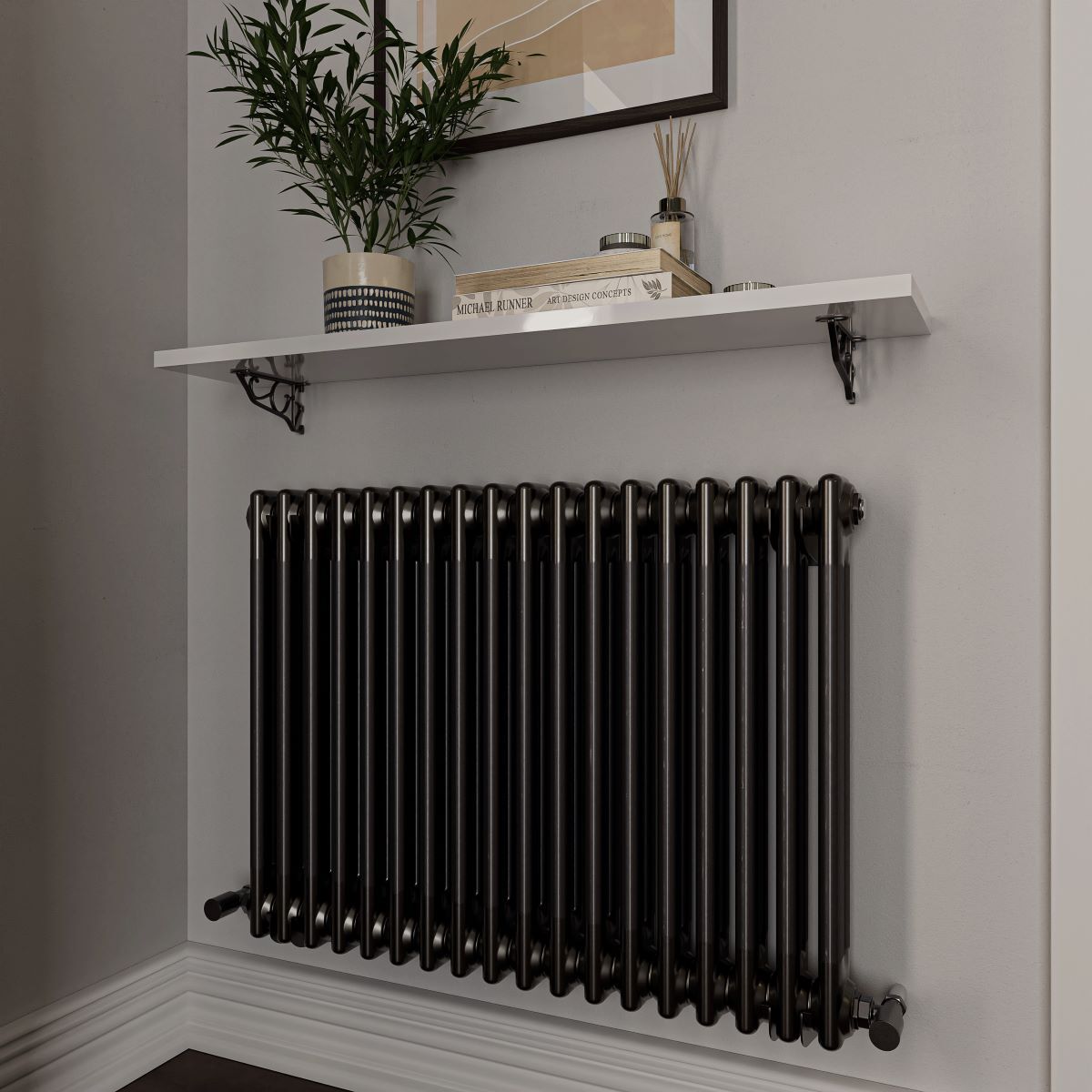
Replacing or upgrading a home radiator is not a decision most homeowners make frequently. When the system fails or underperforms, the pressure to act quickly often leads to purchases made without enough background knowledge. The result is a mismatch between what the home needs and what the product actually delivers — a problem that becomes apparent only after installation, when it is harder and more expensive to correct.
Aluminum-copper radiators occupy a specific and important position in the residential heating market. They are not a universal solution, but for the right application, they offer a reliable combination of thermal performance and longevity that other radiator types struggle to match. Understanding how they work, where they perform well, and what to evaluate before purchasing helps homeowners make a confident, well-grounded decision rather than a reactive one.
What Al-Cu Radiators Are and Why the Material Combination Matters
Al cu radiators are built using an aluminum body or fin structure bonded with copper tubing. The two metals serve distinct roles in the system: aluminum disperses heat rapidly across a wide surface area because of its low density and high thermal conductivity, while copper carries and transfers heat from the fluid efficiently due to its superior heat exchange properties. Together, the combination produces a radiator that heats up quickly, distributes warmth evenly, and holds up reliably under the demands of a residential heating cycle.
If you are researching options across specifications and configurations before committing to a product, a focused Al Cu Radiators guide can help clarify the technical distinctions between models and formats available on the market today.
The reason material matters in radiator selection goes beyond thermal output. Different metal combinations respond differently to water chemistry, pressure fluctuations, and long-term use. A radiator that performs well in one home’s system may corrode or degrade faster in another where the water has different mineral content or pH levels. Knowing what the aluminum-copper combination handles well — and where it has limitations — shapes every downstream decision in the buying process.
How the Aluminum-Copper Bond Affects Long-Term Performance
The durability of an al-cu radiator depends significantly on how the aluminum and copper components are joined. In well-manufactured units, the bond between the two metals is mechanically or thermally stable, meaning it does not weaken under standard operating conditions. In lower-quality units, the interface between the two metals can become a point of stress over time, particularly if the system cycles between high and low temperatures repeatedly.
Galvanic corrosion is a real consideration here. When two dissimilar metals are in contact and exposed to an electrolyte — in this case, water — the less noble metal tends to corrode faster. Aluminum is the less noble of the two, which means in systems where water chemistry is not managed, aluminum components can degrade over time. Homeowners with older plumbing or hard water should account for this when evaluating al cu radiators against all-aluminum or cast-iron alternatives.
Where Al-Cu Radiators Fit in a Residential Heating System
Residential heating systems vary widely in design — from older steam-based setups to modern hydronic systems using circulated hot water. Al cu radiators are most compatible with hydronic systems, where hot water flows through the unit continuously or on a timed cycle. They are not typically suited for steam systems, which operate at higher pressures and involve condensation management that the aluminum components handle less reliably than cast iron.
Within hydronic systems, aluminum-copper radiators work well in both new installations and retrofit projects, provided the existing pipework is compatible and the water chemistry falls within acceptable parameters. Their lighter weight compared to cast iron makes them easier to handle during installation and reduces the structural load on walls and floors, which is a practical advantage in older homes where infrastructure may be less robust.
Compatibility with Modern Heating Controls
One often overlooked aspect of radiator selection is how the unit responds to thermostatic control. Al cu radiators heat up quickly because of aluminum’s fast response time, which makes them well-suited for systems using programmable thermostats or zone-based heating controls. A radiator that takes a long time to reach operating temperature wastes energy during short heating cycles. The rapid heat-up characteristic of aluminum-copper units helps thermostatic systems operate more efficiently.
This same characteristic — fast heat-up and fast cool-down — also means the radiator responds more noticeably to system changes. If a home’s heating system has inconsistent pressure or pump performance, those fluctuations will be more apparent with an al-cu unit than with a cast-iron radiator that holds heat longer by mass. Before choosing aluminum-copper, it is worth confirming that the circulation system is functioning consistently.
Sizing Considerations Specific to Al-Cu Units
Radiator sizing is determined by the heat loss calculation for the room — a figure based on insulation quality, window area, ceiling height, and the local climate. Al-cu radiators should be sized according to the same methodology used for any hydronic radiator, with no shortcuts taken because the material combination is perceived as more efficient. Undersizing a radiator, regardless of material, results in a system that runs longer to compensate, increasing wear and energy use over time.
Because al-cu radiators transfer heat quickly, some homeowners assume a smaller unit will be adequate. This logic does not hold under extended cold periods, when steady-state heat output matters more than rapid warm-up. The thermal calculation for the room should always govern the size selection, not assumptions about the material’s performance characteristics in isolation.
Evaluating Build Quality Before Purchase
The market for al cu radiators includes products across a wide range of manufacturing quality. The price difference between entry-level and mid-tier units often reflects differences in material purity, construction tolerances, and pressure ratings — not just brand margin. For a component installed inside a wall system and expected to last fifteen or more years, selecting based primarily on price introduces risk that is difficult to quantify until a problem emerges.
Key indicators of build quality include the consistency of welds or mechanical joints between the copper tubing and aluminum fins, the wall thickness of the copper tubing, the quality of the end caps and valve connections, and whether the unit has been pressure tested before shipping. Reputable manufacturers provide documentation of pressure testing and material composition. These details are not always prominently displayed, but they are available on request and worth reviewing before committing to a purchase.
What Pressure Ratings Actually Mean for Home Use
Every radiator carries a maximum working pressure rating. In residential hydronic systems, operating pressures are typically low compared to commercial applications, but system pressure can spike temporarily during pump startup or when air is trapped in the circuit. A radiator with a higher working pressure rating has greater tolerance for these transient events, which reduces the risk of joint failure or micro-leaks developing over time.
According to the U.S. Department of Energy, hydronic heating systems are among the most efficient residential heating options when properly sized and maintained — but that efficiency depends directly on the integrity of all components in the loop, including the radiators themselves. A unit with a marginal pressure rating may function fine under normal conditions but become a liability as the system ages or if a pump or expansion tank begins to perform inconsistently.
Installation and System Preparation
Preparing the heating system before installing al cu radiators is as important as the selection process itself. Flushing the system to remove debris, rust particles, and old inhibitor fluid prevents contamination from circulating through the new unit. New aluminum-containing radiators are particularly sensitive to system water that carries iron oxide particles, which accelerate corrosion at the aluminum surface when deposited over time.
Adding a corrosion inhibitor formulated for mixed-metal systems is a standard step that should not be skipped. The inhibitor creates a protective layer on the aluminum surfaces inside the radiator, reducing the electrochemical activity that leads to pitting and early failure. Inhibitor concentration should be checked annually and maintained at the manufacturer’s recommended level. This is a low-cost maintenance step with a disproportionately large impact on system longevity.
Valve Selection and Long-Term Maintenance Access
The valves connected to a radiator affect both performance and maintenance convenience. Thermostatic radiator valves allow for room-level temperature control and are compatible with al-cu units, but only if they are sized and flow-rated appropriately for the system. Mismatched valves restrict flow or allow excessive flow, both of which affect the radiator’s ability to operate within its designed thermal range.
Isolation valves on both the inlet and outlet make future servicing — or unit replacement — possible without draining the entire system. This is a practical consideration that is often overlooked at installation but becomes significant when a unit eventually needs attention. Planning for maintenance access at the point of installation reduces cost and disruption over the life of the heating system.
Concluding Thoughts for Homeowners
Al cu radiators offer a well-established and dependable option for residential hydronic heating when selected and installed with care. Their performance advantages — rapid heat response, effective heat distribution, and manageable weight — make them a practical choice for a wide range of homes. However, those advantages only translate into long-term reliability when the surrounding system is compatible, the water chemistry is maintained, and the unit itself meets a reasonable standard of manufacturing quality.
The buying process benefits most from slowing down. Confirming system type, understanding water chemistry, calculating heat load accurately, reviewing product documentation, and planning for installation quality are all steps that protect the investment and prevent problems that are difficult to resolve after the radiator is in place. Homeowners who approach this decision with the same discipline they would bring to any major home infrastructure purchase will be in a stronger position — not just at the point of purchase, but for the years the system runs afterward.