
Drainage faults are easier to manage when the response matches the actual pattern of the problem. Emergency drainage problems require fast control because toilets, kitchens and occupied spaces can become unusable in a short time. London systems can be complicated by old pipework, shared connections, restricted access and previous alterations, so surface symptoms do not always reveal the true cause.
Assess the Symptoms First
Start by checking which fixtures are affected and how quickly the problem developed. A single slow sink may be local, while several affected toilets, gullies or basins can point to a deeper restriction. Odours, gurgling and changes in water level add useful diagnostic context.
Quick Clear Drainage becomes more effective when that information is used to choose the right access point and equipment. The aim should be to restore flow, identify the likely cause and explain whether further inspection is justified rather than treating every drainage problem as identical.
Match the Method to the Problem
If wastewater is rising, reduce water use until the restriction is cleared. Repeated flushing or running appliances can increase pressure behind a blockage and cause overflow elsewhere. Commercial sites should temporarily restrict affected facilities so staff or customers do not unintentionally worsen the situation.
Mechanical tools, cutting heads and high-pressure jetting each solve different types of restrictions. Grease, scale, silt, roots and solid objects respond differently, and pipe condition matters too. The engineer should choose a method that clears the line without creating avoidable damage.
Investigate Repeat Failures
The quality of clearance matters as much as speed. Creating a narrow opening may restore temporary flow while leaving material behind that catches more debris. A more complete clean can reduce the chance of an immediate recurrence, especially where deposits have built up over time.
Repeated failure in the same area should trigger investigation. Root ingress, displaced joints, poor falls and damaged sections can all create predictable catch points. Continually clearing the same symptom may cost more than understanding and correcting the cause.
Use CCTV for Evidence
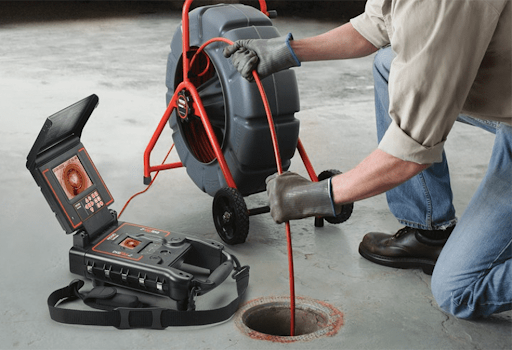
CCTV inspection can provide evidence once the pipe is clean enough for a clear view. It can reveal cracks, roots, deposits, offsets and unexpected connections. It also helps locate the affected section, which can make any repair more targeted and less disruptive.
Shared drainage is common in dense urban areas. A fault may sit beyond the immediate property or affect more than one premises. Inspection chambers, external gullies and mapping can help establish where flow stops and whether another party may need to be involved.
Consider Shared Drainage
This information is also valuable before extensions, landscaping or refurbishment. Drain routes can be altered or obscured over time, and knowing where pipes run reduces the risk of accidental damage and preserves access for future maintenance.
Good maintenance focuses on predictable risks. Heavy-use kitchens, offices and multi-occupancy buildings may need more frequent cleaning, while properties with known root activity may benefit from periodic inspection. Maintenance frequency should be based on condition and use rather than a fixed generic timetable.
Plan Maintenance Around Risk
Simple behaviour can prevent avoidable blockages. Fats, oils, wipes and unsuitable waste should stay out of drains, while external gullies should be kept clear of leaves, soil and building debris. These steps reduce unnecessary loading on the system.
Records can make future diagnosis faster. Note when the issue appeared, which fixtures were affected, what method restored flow and whether the same section has failed before. A repeated pattern can justify inspection even when the pipe appears to be working normally between incidents.
Keep a Useful History
Not every defect visible on camera requires urgent repair. Older drainage may show wear while remaining serviceable. Useful advice separates urgent structural issues from minor observations and explains the practical risk of leaving each finding unchanged.
The customer should receive a clear explanation after the work. That includes the likely cause, the method used, any evidence found and whether further action is recommended. Good communication helps the owner avoid unnecessary spending while understanding genuine risks.
Ask for Clear Recommendations
emergency drain clearance London or another experienced drainage provider should help the client decide whether the next step is routine maintenance, further inspection or repair. The second-last question is whether the recommendation is proportionate to the evidence and likely to reduce future disruption.
Effective drainage management combines quick response with accurate diagnosis. The best emergency response restores safe use quickly while preserving enough evidence to prevent another failure. When problems are investigated properly and maintenance reflects real site conditions, owners can reduce emergency call-outs, avoid unnecessary excavation and make more confident decisions about long-term drainage care. Regular review also helps identify developing restrictions before they become urgent, allowing maintenance to be scheduled at a less disruptive and often less expensive time. Regular review also helps identify developing restrictions before they become urgent, allowing maintenance to be scheduled at a less disruptive and often less expensive time. Regular review also helps identify developing restrictions before they become urgent, allowing maintenance to be scheduled at a less disruptive and often less expensive time. Regular review also helps identify developing restrictions before they become urgent, allowing maintenance to be scheduled at a less disruptive and often less expensive time. Regular review also helps identify developing restrictions before they become urgent, allowing maintenance to be scheduled at a less disruptive and often less expensive time. Regular review also helps identify developing restrictions before they become urgent, allowing maintenance to be scheduled at a less disruptive and often less expensive time. Regular review also helps identify developing restrictions before they become urgent, allowing maintenance to be scheduled at a less disruptive and often less expensive time. Regular review also helps identify developing restrictions before they become urgent, allowing maintenance to be scheduled at a less disruptive and often less expensive time. Regular review also helps identify developing restrictions before they become urgent, allowing maintenance to be scheduled at a less disruptive and often less expensive time. Regular review also helps identify developing restrictions before they become urgent, allowing maintenance to be scheduled at a less disruptive and often less expensive time. Regular review also helps identify developing restrictions before they become urgent, allowing maintenance to be scheduled at a less disruptive and often less expensive time.