
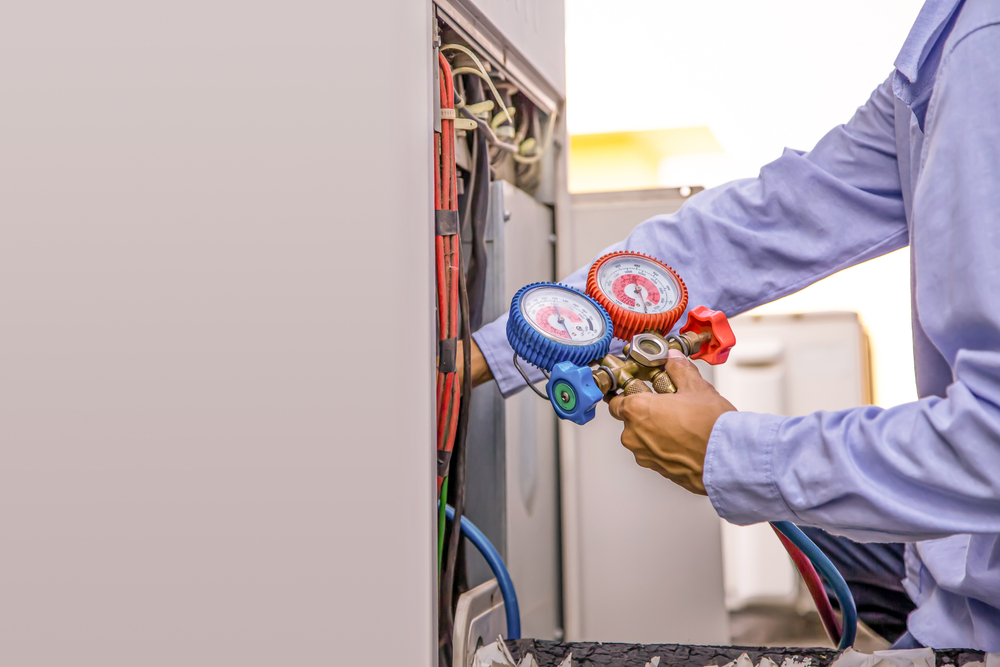
Heating and cooling systems are the backbone of comfortable, productive environments, whether in a home, office, or industrial facility. When these systems start underperforming, the consequences reach well beyond simple discomfort, touching everything from energy bills and equipment lifespan to overall operational efficiency. Keeping these systems in top shape takes a proactive mindset and a solid understanding of what actually drives performance over time.
The Real Cost of Neglected HVAC Systems
Most people don’t think about their HVAC system until something goes wrong, and that’s precisely when the costs start piling up. A neglected system has to work harder to maintain the desired temperature, burning through more energy and pushing utility expenses higher with every cycle. Over time, worn components create unnecessary stress on surrounding parts, turning what could have been a minor fix into a much more expensive repair. Beyond the financial hit, a struggling system often fails to deliver consistent air quality and temperature control, which can chip away at productivity and even affect health in workplace environments.
Routine Maintenance Makes All the Difference
One of the most effective ways to keep heating and cooling systems running smoothly is through consistent, scheduled maintenance. That means regularly replacing air filters, cleaning coils, checking refrigerant levels, and inspecting electrical connections for early signs of wear. These tasks may seem small on their own, but together they prevent the kind of buildup and strain that leads to full system failures. Scheduling professional inspections at least twice a year, typically before each heating and cooling season kicks in, gives technicians the chance to catch problems early and make adjustments before they escalate into something costlier. A well-maintained system simply lasts longer and performs better across every metric that matters.
Smart Controls and Automation
Modern HVAC performance isn’t just about hardware maintenance. It’s also about how intelligently the system gets managed day to day. For larger commercial or industrial facilities handling complex climate control demands, advanced industrial automation solutions allow teams to optimize temperature control, monitor system health in real time, and cut energy waste through precise scheduling and load management. Smart thermostats, programmable controls, and sensor-driven systems can detect inefficiencies and automatically make adjustments that a manual setup would miss entirely. Automation platforms offer centralized control over multiple units and zones, making the entire operation more responsive and cost-effective. The result is a system that works smarter, not just harder.
Airflow and Duct Integrity Are Often Overlooked
One of the most commonly ignored factors in HVAC performance is the condition of the ductwork and airflow pathways running throughout a building. Leaky ducts can account for significant energy loss, with conditioned air escaping before it ever reaches the intended space. Blocked vents, dirty duct interiors, and poor duct design all contribute to uneven temperature distribution, forcing the system to compensate by running longer and harder cycles. Regular duct inspections and proper sealing can dramatically improve both system efficiency and comfort levels throughout a facility. It’s also worth evaluating whether the current airflow design still suits the building’s layout, especially in spaces that have gone through renovations or expansions over the years.
Upgrading Aging Equipment at the Right Time
Even the most disciplined maintenance routine can only extend the life of aging equipment so far. When systems keep underperforming despite regular upkeep, it may be time to seriously consider whether an upgrade is the smarter long-term investment. Newer HVAC units are significantly more energy-efficient than older models, often meeting or exceeding current environmental standards while delivering noticeably better performance. Making that upgrade decision proactively, rather than waiting for a full system failure, gives facility managers the chance to plan the transition carefully and select equipment that fits both current demands and future growth. Modern systems also tend to integrate far more easily with digital monitoring and automation tools, laying the groundwork for smarter management down the road.
Conclusion
Keeping heating and cooling systems running at peak performance is an ongoing commitment, not a one-time fix. It takes a combination of routine maintenance, smart technology integration, attention to airflow and infrastructure, and well-timed equipment decisions. Facilities that take a genuinely proactive approach to HVAC management tend to see lower operating costs, fewer unexpected breakdowns, and better overall comfort and air quality throughout the year. By treating these systems as the critical assets they truly are, businesses and homeowners alike can protect their investments and count on reliable performance regardless of the season.