
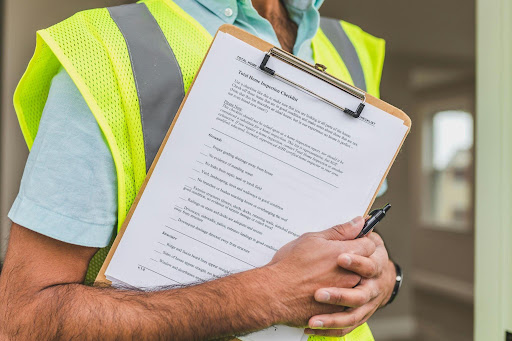
Buying a home in Portugal can be anything from brand new apartments, to centuries-old townhouses and villas. One step foreign buyers sometimes miss is to physically inspect the property before they are legally bound to buy it.
In Portugal, property surveys can uncover problems that are hard to spot on a normal viewing, from damp and roof problems to outdated electrical systems. Understanding when to arrange an inspection, what it covers and how the findings can affect a purchase is therefore an important part of buying Portuguese real estate.
Are Property Inspections Required in Portugal?
Generally, a technical property inspection is not mandatory when purchasing a house in Portugal.
This differs from some countries where buyers routinely commission a building survey before completing a transaction. In Portugal, the buyer normally decides whether an independent technical assessment is necessary.
That decision can be particularly important with older properties. Portugal has a substantial ageing housing stock. According to the 2021 Census, about one-third of the country’s residential buildings were built before 1980.
Older buildings may have different construction standards and materials, and different maintenance histories, but age alone does not mean a property has problems.
What does a property inspector check for?
Scope depends on the property and the professional conducting the assessment.
A typical inspection examines the visible condition of the building and may cover walls, ceilings, floors, windows, roofing where accessible, plumbing, electrical installations and evidence of moisture or water infiltration.
For villas, external areas, drainage, retaining walls and other structural elements may also deserve attention.
The objective is not simply to produce a list of imperfections. It is to identify problems that may affect safety, habitability or future maintenance cost.
Foreign buyers unfamiliar with local construction can find an independent technical assessment before purchasing in Portugal particularly useful when evaluating an older or renovated home.
Moisture – Needs Special Attention
Portugal is well known for its sunshine but moisture can still be a big issue in residential properties.
Humidity can be an issue in coastal homes and older buildings may have poor waterproofing, ventilation or insulation.Signs include staining, flaking paint, mould or a persistent damp smell.
A freshly painted wall does not necessarily mean that the underlying cause has been resolved.
This is one reason buyers should look beyond cosmetic finishes. A recently renovated apartment can appear immaculate while still containing plumbing, waterproofing or electrical systems that require attention.
When Should the Inspection Take Place?
Timing is important.
Ideally, technical due diligence should occur before the buyer becomes unconditionally committed to purchasing the property. In many Portuguese transactions, the parties sign a Contrato-Promessa de Compra e Venda, commonly known as the CPCV, before the final completion.
The CPCV usually establishes the purchase price, deposit, completion deadline and circumstances under which the parties can withdraw.
Because significant financial commitments can arise once the promissory contract is signed, buyers should consider whether an inspection should be completed beforehand or whether appropriate conditions need to be included in the agreement.
Technical and Legal Due Diligence Are Different
A property can be physically sound but still have documentation problems. Equally, a property can have impeccable paperwork but require substantial repairs.
Technical due diligence is an inspection of the physical condition of the house. Legal due diligence examines matters such as ownership, registrations, licences, registered areas, mortgages and other charges.
Both are important.
For example, an extension may look structurally sound but not correspond to the officially registered property documentation. Conversely, a legally compliant apartment might have moisture problems or an ageing electrical installation.
Foreign buyers should therefore avoid treating a technical inspection as a substitute for legal checks.
What Happens If the Inspection Finds Problems?
Not every defect means the purchase should be abandoned.
An inspection can instead provide information for decision-making. Suppose an inspection identifies €15,000 to €20,000 of foreseeable repairs to roofing, plumbing and moisture damage. The buyer can assess whether the agreed purchase price still makes sense.
Depending on the transaction and contractual stage, the parties may negotiate a lower price, ask the seller to address specific issues or simply proceed knowing that additional expenditure will be required.
More serious findings can change the buyer’s view of the property entirely.
The value of the inspection is therefore not that it guarantees a problem-free home. It reduces the likelihood of purchasing without understanding its physical condition.
Apartments Require Different Checks
Buying an apartment means acquiring a private unit within a larger building.
Knowing the condition of the apartment itself is important, but buyers should also be aware of the common areas and issues affecting the condominium. Roofs, façades, lifts, garages and shared infrastructure can generate substantial expenses.
Minutes from condominium meetings can provide useful information about existing problems and planned works.
A beautifully renovated apartment, for example, may still expose its new owner to a significant contribution if the condominium has already approved major façade or roof repairs.
From Inspection to the Final Property Deed
Once technical and legal checks have been completed and the contractual conditions satisfied, the transaction can proceed towards completion.
At this stage, buyers need to ensure that the documentation, taxes and funds required for the transfer are properly organized. Understanding the steps involved when completing a Portuguese property purchase can help foreign buyers prepare for the final transfer of ownership.
The deed, or equivalent authenticated transaction, is when ownership formally passes to the buyer. Problems discovered only after this point can be considerably more difficult to address.
Conclusion
A property inspection in Portugal is not simply about finding defects. It gives buyers better information before making one of their largest financial commitments.
This is especially relevant when purchasing older homes, renovated properties or buildings where moisture, roofing, electrical systems and shared condominium expenses may not be obvious during a viewing.
Combining technical inspection with legal due diligence provides a more complete picture of what is actually being purchased. For foreign buyers unfamiliar with Portuguese property, that additional knowledge can be far more valuable than discovering an expensive problem after receiving the keys.