
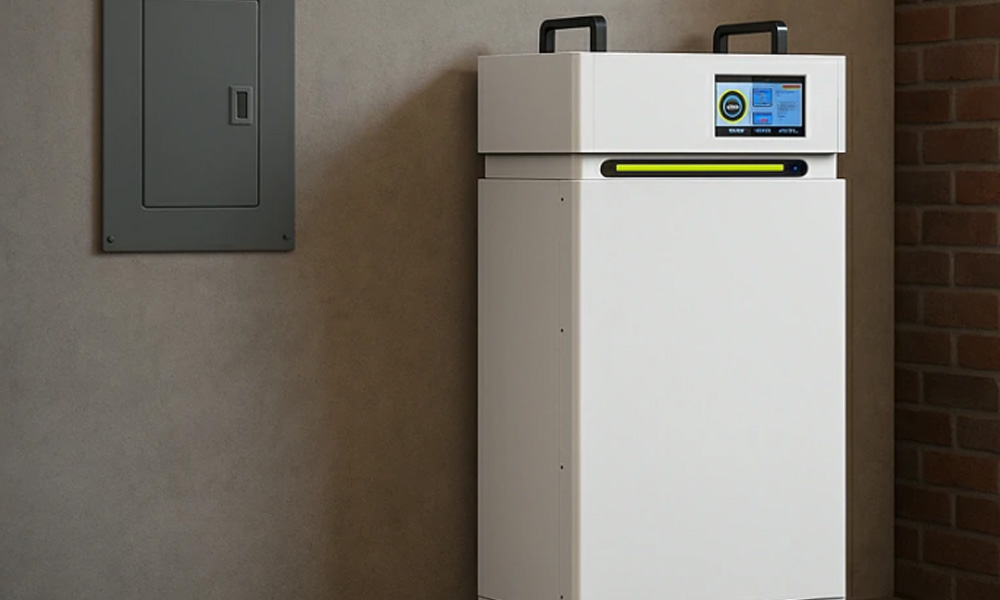
Ask five different installers for a whole-home battery quote and you’ll likely get five different numbers, even for what sounds like the same request. That’s because battery capacity — the number most homeowners fixate on — is only one line item in a much longer list of equipment, labor, and design decisions that determine the final installed price. A 20kWh system on one property can cost less, or more, than a 20kWh system on another, depending entirely on what surrounds the battery itself.
Understanding what actually drives cost helps homeowners, installers, and property developers have a more productive conversation with each other — and helps avoid the frustration of a quote that seems to have appeared out of nowhere.
What Determines the Final Installed Price?
Battery capacity sets a baseline, but it doesn’t determine the total project cost on its own. The final whole home battery backup cost depends on the battery, inverter, backup hardware, electrical work, installation conditions, and the number of circuits that must remain operational. Two homes with identical battery sizes can end up with very different quotes once these other factors are accounted for.
This is why a single number — “how much for a battery?” — rarely produces a useful answer. A proper quote requires understanding the full scope of the project, not just the storage component.
Nominal Versus Usable Battery Capacity
The capacity printed on a spec sheet, known as nominal capacity, isn’t always the amount of energy a homeowner can actually use. Most battery systems reserve a portion of capacity to protect battery health and extend lifespan, meaning usable capacity is typically somewhat lower than the nominal number. When comparing quotes or products, it’s worth asking specifically about usable capacity, since two systems with the same nominal rating can deliver noticeably different real-world performance.
Inverter and Power Conversion Equipment
The inverter converts stored battery energy into power the home can actually use, and it’s often a significant portion of total project cost — sometimes comparable to the battery itself. Inverter selection depends on how much instantaneous power the home needs, how many circuits it must support simultaneously, and whether it needs to integrate with existing solar equipment. A larger battery paired with an undersized inverter won’t deliver the performance a homeowner expects, so this equipment can’t be treated as an afterthought in the budget.
Backup Gateway or Transfer Hardware
Battery systems typically require additional hardware to manage the transition between grid power and battery power during an outage — often called a backup gateway or automatic transfer switch. This equipment monitors grid status and switches the home’s circuits to battery power seamlessly, and it adds both material and labor cost to the project. The complexity of this hardware also varies depending on whether the system needs to support essential circuits only or the full home.
Electrical Panel Modifications
Many homes need some degree of electrical panel work to support a battery system, ranging from minor modifications to a full subpanel installation. This depends on the age and capacity of the existing panel, how many circuits will connect to the backup system, and local electrical code requirements. Panel work is one of the more variable cost items in a battery project, since it depends heavily on the specific condition of the home’s existing electrical infrastructure.
Essential-Load Versus Whole-Home Circuits
The number of circuits connected to the backup system has a direct effect on both equipment size and labor cost. Essential-load setups, covering a defined set of critical circuits, generally cost less than whole-home configurations, which require wiring and equipment capable of supporting the entire electrical panel. Deciding on this scope early in the process — rather than after a quote arrives — helps avoid surprises and allows for more accurate comparisons between proposals.
Labor, Cable Runs, Testing, and Commissioning
Installation labor covers far more than mounting the battery on a wall. It includes running cable between the battery, inverter, and panel; connecting and testing backup circuits; configuring monitoring software; and commissioning the system to confirm it performs as designed during a simulated outage. Longer cable runs, difficult access, or complex panel configurations can all increase labor time, and this labor cost is frequently underestimated when homeowners compare quotes based on equipment price alone.
Installation Location and Environmental Protection
Where the battery system is installed affects both cost and long-term performance. Outdoor installations may require additional weatherproofing, sun shading, or temperature management, while indoor installations need adequate ventilation and clearance. Extreme heat or cold can affect battery performance and lifespan, so proper environmental protection isn’t a cosmetic detail — it’s part of what protects the investment over time.
Solar Integration, Monitoring, and Future Expansion
For homes pairing battery storage with solar, integration adds another layer of design consideration. The system needs to manage solar charging, grid interaction, and backup power together, which requires compatible communication between the battery, inverter, and solar equipment. Monitoring software, which lets homeowners track performance and usage remotely, is also a cost factor worth including in the total project scope, along with any conduit or wiring left in place for future expansion.
Product price is only one part of a complete quotation. Avepower supports installers, distributors, and project developers with battery sizing, inverter communication matching, and project-specific system configurations. It also offers OEM and ODM manufacturing for partners that need customized capacity, enclosure design, branding, protocols, labels, packaging, or technical documentation.
None of this replaces a site-specific quote, but understanding these components makes it much easier to compare proposals from different installers and manufacturers on equal footing.
How Much Does High-Capacity Storage Add?
A 40kwh solar battery may serve a large home or high-consumption property, but its total project cost will also depend on inverter capacity, solar charging power, installation work, and backup configuration. Jumping from a smaller system to 40kWh doesn’t just add battery cost — it can also require a larger inverter, additional panel capacity, and more extensive backup wiring, all of which scale together rather than independently.
This is why doubling battery capacity rarely doubles the final price exactly — the surrounding equipment and labor scale differently depending on the specific system design and property requirements.
Getting an Accurate Quote
The most useful way to evaluate a whole-home battery quote is to ask what’s included beyond the battery itself, whether the equipment comes from Avepower or another manufacturer: inverter specifications, backup hardware, panel work, labor scope, and environmental protection. Two seemingly similar quotes can represent very different scopes of work, and the cheaper number on paper isn’t always the better value once the full project is compared line by line. A clear, itemized quote — rather than a single lump-sum number — gives homeowners and property developers the clearest picture of what they’re actually paying for.