
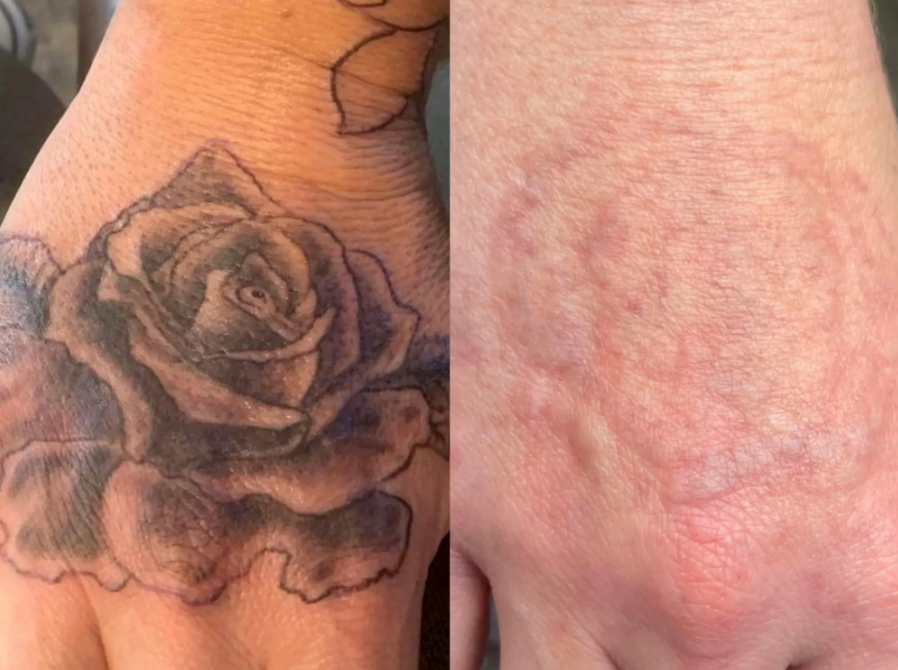
Tattoo removal has become increasingly popular as individuals seek to erase or modify body art that no longer fits their evolving personal or professional image. The procedure of tattoo removal involves using advanced techniques to penetrate the skin and break down ink particles so they can be naturally eliminated by the body. There are various methods available, each offering distinct advantages and disadvantages. Interested individuals can find detailed tattoo removal options at specialised clinics.
Understanding Tattoo Removal Techniques
Tattoo removal primarily utilises laser technology to target and fragment the tattoo ink. The most common laser used is the Q-switched laser, known for its ability to deliver energy at the precise wavelength needed to tackle different ink colours. The laser emits short pulses of light that are absorbed by the tattoo ink, causing the ink to break up.
Q-Switched Laser Treatment
The Q-switched laser has revolutionised tattoo removal due to its efficacy and safety. It is specifically designed to break down the smallest of ink particles, allowing the body to process the ink naturally. While effective, multiple sessions are generally necessary to fully remove a tattoo.
Pico Laser Technology
Another cutting-edge technology in the tattoo removal industry is the Pico laser, which uses picosecond pulse durations. This advanced approach offers a quicker process, requiring fewer treatments through ultra-short laser pulses that shatter the tattoo ink more efficiently compared to traditional methods.
Factors Affecting Tattoo Removal
Several factors can influence the success and duration of tattoo removal treatments. These include the size, colour, and age of the tattoo, as well as the depth of the ink in the skin. Older tattoos or those done with black ink are typically easier to remove.
Professional Expertise
Selecting a professional and experienced practitioner is crucial for successful tattoo removal. Clinics such as Evolution Laser Clinic offer skilled practitioners who can provide personalised treatment plans based on individual tattoo characteristics and skin types.
Skin Type and Health
The patient’s skin type and overall health also play a significant role in the tattoo removal process. Generally, those with lighter skin tones benefit the most from laser treatments, as there is less risk of hypo-pigmentation.
The Tattoo Removal Process
Initially, a consultation is undertaken to discuss personal goals and evaluate the tattoo. During this phase, the practitioner sets realistic expectations and outlines the number of sessions required. The process then involves a series of laser treatments spaced over several weeks to give the skin time to heal and for the body to clear the fragmented ink.
Pain Management
Although laser tattoo removal can be uncomfortable, clinics often provide pain management options such as numbing creams to reduce discomfort during the procedure.
Post-Removal Care
After each session, proper care is essential to facilitate healing and minimise side effects. It is advised to keep the treated area clean and protected from the sun. Clients are typically given detailed aftercare instructions tailored to their skin’s response to the treatment.
Making the Decision
Deciding to undergo tattoo removal is significant and involves considerations regarding time, cost, and results. Prospective patients are encouraged to explore the available options, such as consulting with experts at Evolution Laser Clinic, to make well-informed decisions regarding their tattoo removal journey.
Cost Considerations
The cost of tattoo removal varies depending on the size of the tattoo and the number of sessions required. Prospective clients may refer to the pricing details available at clinics like Evolution Laser Clinic.
Consultation and Learning More
To fully understand the process and outcomes, consultations at professional clinics are recommended. Expert practitioners are equipped to address all concerns and provide customised advice for optimal results. As tattoo removal technologies continue to advance, clients can expect more efficient and effective treatment options.