
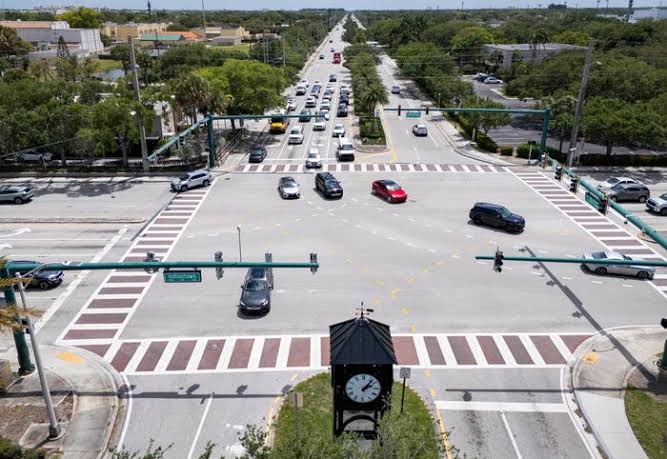
The beautiful tree-lined walkways and active shopping districts of Thousand Oaks make it a wonderful place for foot traffic. From residents browsing the stores along Thousand Oaks Boulevard to students walking near local schools, our community thrives on being pedestrian-friendly. However, a growing population and increasing traffic congestion have created hidden hazards on our roadways.
When major thoroughfares intersect with high-speed commuter routes, the risk of a severe collision rises dramatically. For a person on foot, crossing the street should never feel like a gamble. If you or a loved one has been struck by a vehicle while walking in the Conejo Valley, knowing where these hazards lie is an important part of understanding your case. Seeking the guidance of an experienced Thousand Oaks pedestrian accident lawyer can help you hold reckless drivers accountable and secure the resources you need to rebuild your life.
The Intersection Hotspots: Where Walkers Are Most at Risk
While a collision can happen anywhere, data from local traffic bureaus and safety enforcement operations reveal that certain stretches of road in Thousand Oaks pose a much higher risk to pedestrians. The combination of wide lanes, heavy commercial traffic, and distracted drivers makes the following areas particularly dangerous:
1. Thousand Oaks Boulevard (Various Crossings)
As the commercial heart of the city, Thousand Oaks Boulevard sees a continuous mix of high-speed vehicles and heavy foot traffic. Intersections near major retail hubs, plazas, and transit points—such as the stretches near Clay Court and surrounding shopping centers—frequently witness critical failure-to-yield accidents. The high density of driveways and turning vehicles means drivers are often looking at oncoming traffic rather than checking for people in the crosswalks.
2. Moorpark Road and Lynn Road Arterials
Both Moorpark Road and Lynn Road serve as primary north-south arteries connecting residential areas to shopping centers and the US-101 freeway. Because these roads feature multiple wide lanes and higher speed limits, pedestrians trying to cross face prolonged exposure to oncoming traffic. Drivers exiting the freeway or rushing to make a green light often fail to notice a walker until it is too late.
3. School Zones and Residential Connectors
Areas surrounding local schools and parks see regular influxes of vulnerable young walkers during morning drop-offs and afternoon dismissals. Intersections along residential collector streets, such as Kimber Drive and Baxter Street, have been the sites of tragic accidents. In these zones, even a minor driving distraction, like looking at a navigation screen or drifting into a designated bike or pedestrian lane, can lead to life-altering consequences.
What Makes These Intersections So Hazardous?
Engineering flaws and driver behavior combine to create high-risk environments for anyone not inside a vehicle. At Bojat Law Group, our investigation of local pedestrian crashes consistently highlights several repeating factors:
- Freeway Transition Blindness:Drivers transitioning off the 101 Freeway onto local surface streets often maintain their highway mindset, failing to adjust their speed downward and scan for pedestrians.
- Inadequate Lighting and Dusk Visibility:Many pedestrian collisions happen during twilight or nighttime hours. If an intersection lacks enhanced overhead lighting, or if a walker is wearing dark clothing, distracted drivers frequently claim they “never saw them.”
- Complex Turning Phases:Intersections with dedicated right-turn lanes or permitted left turns force pedestrians to watch multiple directions at once, while drivers are typically focused solely on finding a gap in vehicular traffic.
Common Injuries Resulting from Pedestrian Impacts
Because the human body has zero protection against the solid frame of a car or SUV, the physical trauma caused by these accidents is regularly catastrophic.
| Common Injury Type | Long-Term Consequences and Impact |
| Traumatic Brain Injuries (TBIs) | Concussions, cognitive impairments, and permanent neurological deficits requiring specialized care. |
| Spinal Cord Damage | Severe nerve damage, partial paralysis, or permanent quadriplegia affecting all aspects of life. |
| Complex Bone Fractures | Shattered limbs, pelvic fractures, and broken ribs that frequently demand multiple corrective surgeries. |
| Soft Tissue and Internal Damage | Deep lacerations, organ punctures, and internal bleeding that pose immediate life-threatening risks. |
Aggressive Representation for Injured Walkers
If you have been injured at a dangerous crossing, the insurance company representing the driver will likely attempt to minimize your claim. They may argue that you were jaywalking, stepping out unexpectedly, or distracted by your phone. Defeating these tactics requires an immediate, exhaustive investigation into the circumstances of the crash.
At Bojat Law Group, our legal team, led by Sasha Bojat, treats every case with true accountability. We know the local layout of Thousand Oaks, and we quickly act to secure nearby traffic camera footage, interview witnesses, and analyze police reports. We operate entirely on a contingency-fee model—meaning you do not have to worry about upfront costs, and we only collect a fee if we successfully win financial compensation on your behalf.
Contact a Trusted Thousand Oaks Pedestrian Accident Lawyer
You do not have to carry the overwhelming stress of medical bills, lost wages, and physical pain alone. Let our firm deal with the insurance adjusters and legal deadlines while you dedicate your energy to healing and recovery.
Contact Bojat Law Group today at (818) 877-4878 to schedule your free, completely confidential consultation with a dedicated Thousand Oaks pedestrian accident lawyer.