
Package deals for facelifts abroad are easy to find, and the pitch is simple: surgery, a hotel and a flight home. What the adverts rarely cover is what happens after you land, or whether surgery was the right answer in the first place.
Before you book, it is worth knowing what UK guidance says, and what the options closer to home can and cannot do.
What UK guidance warns about
The NHS is blunt about the main risks. It warns that overseas clinics may not provide follow-up treatment, or may not provide it to the same standard as in the UK, and that you may have no healthcare professional here to turn to if problems arise.
Flying is a particular concern. The NHS recommends not flying for 7 to 10 days after facial cosmetic procedures, because air travel and major surgery both increase the risk of a blood clot. It also advises having two consultations with the surgeon before any operation, and checking what your travel insurance covers, since it does not normally cover surgery that goes wrong.
The stakes are not theoretical. The Foreign, Commonwealth and Development Office says it is aware of 7 British nationals having died in Turkey in 2025 following medical procedures, and that others needed further treatment or surgery. In 2023, the British Association of Aesthetic Plastic Surgeons reported that complications recorded in its annual audit had risen by 35% in 2022, as it issued joint guidance with Turkish surgeons on cosmetic tourism.
Rules at home are tightening too. In October 2026 the government opened a consultation on restricting certain high-risk cosmetic procedures in England to doctors and other qualified prescribers. It runs until 13 January 2027.
Do you actually need a facelift?
Many people researching facelifts are not yet at the stage where surgery makes sense. Signs of early to moderate laxity include a softer jawline, the beginnings of jowls and some looseness under the chin, while the skin still has reasonable elasticity.
Advanced laxity looks different: deep folds, heavy jowls and significant excess skin on the lower face and neck. At that point, no non-surgical treatment will match what a surgeon can do.
Non-surgical options closer to home
For early to moderate changes, several minimally invasive treatments are available in the UK:
- Radiofrequency devices heat the deeper layers of the skin from the surface to tighten and stimulate collagen, with little or no downtime.
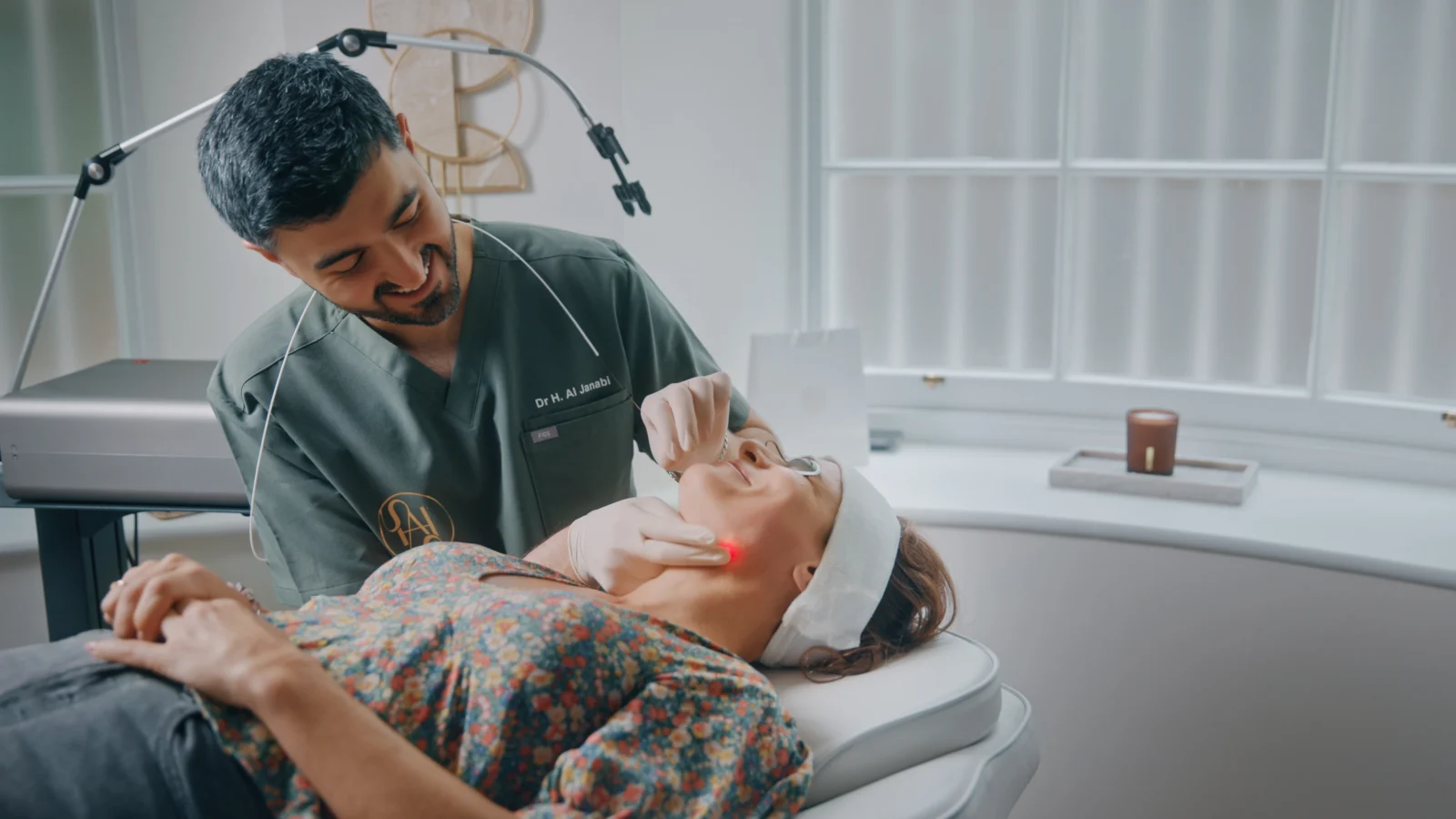
- Laser-fibre tightening places a hair-thin fibre under the skin, under local anaesthetic, to tighten tissue along the jawline, jowls and under the chin.
- Dermal fillers restore lost volume but do not tighten skin.
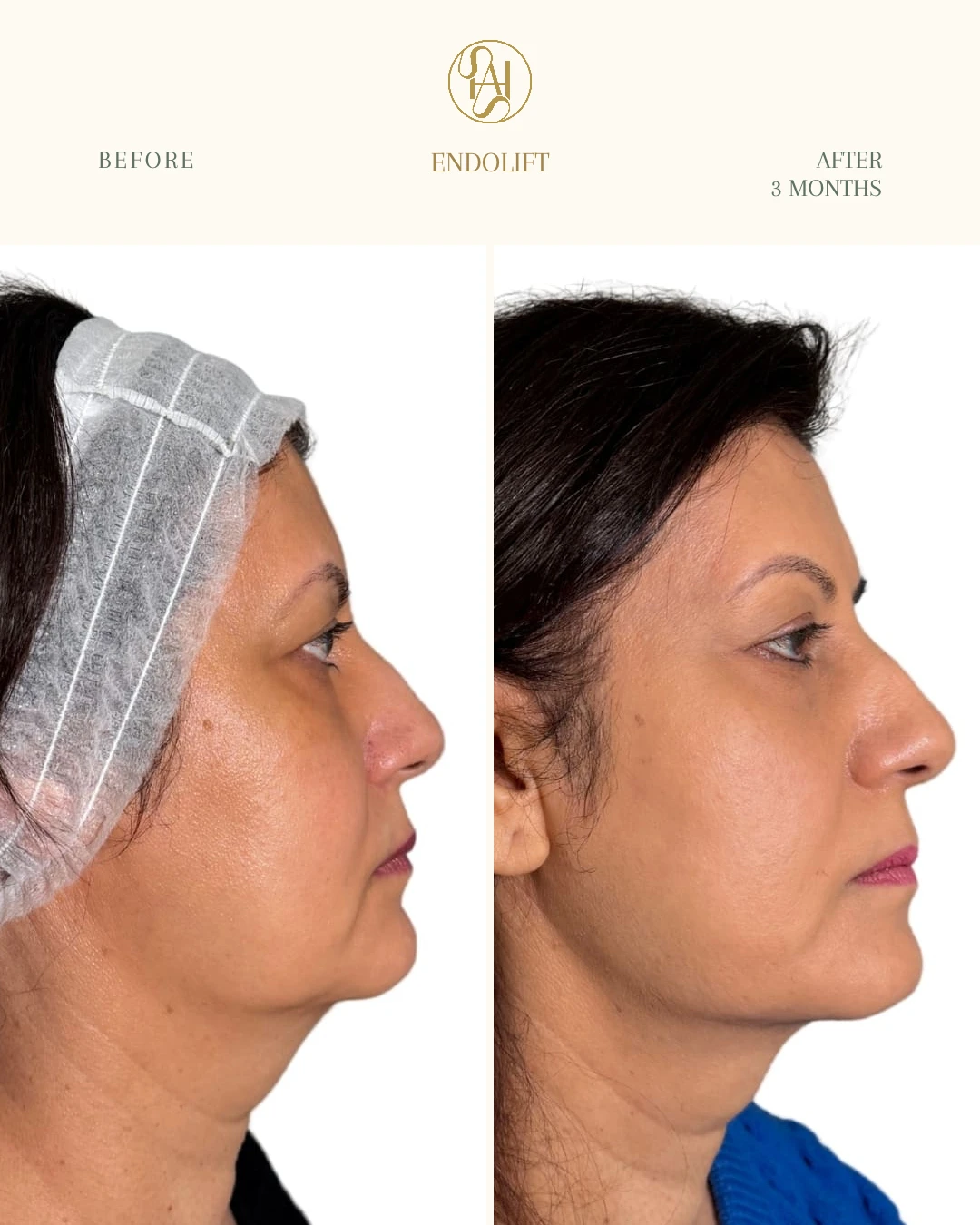
One example of laser-fibre tightening is Endolift non-surgical facelift in London, where treatment takes 60 to 90 minutes under local anaesthetic and most patients return to normal activities within 24 to 72 hours. The clinic says results develop over two to six months and typically last two to three years.
The name can mislead. It is not a facelift. It does not reposition deep tissue or remove excess skin, so it suits people who want to delay surgery or are not ready for it, rather than those who already need it. Treatment is performed by Dr Hasaneen Al Janabi, a GMC-registered doctor and member of the Royal College of Surgeons.
When surgery is still the right answer
If you have advanced jowling, heavy folds or a lot of loose skin on the neck, a surgical facelift remains the most effective option. That does not mean you have to go abroad. A UK surgeon can provide follow-up care without a flight, and you can check their registration with the General Medical Council before you book.
Questions to ask any provider
- Who will perform the treatment, and what are their qualifications?
- Am I a good candidate, and what would you recommend if I am not?
- What follow-up care is included, and who do I contact if something goes wrong?
- How long before I can fly or return to work?
Whatever you choose, the right provider is the one who will tell you when a treatment is not for you.