
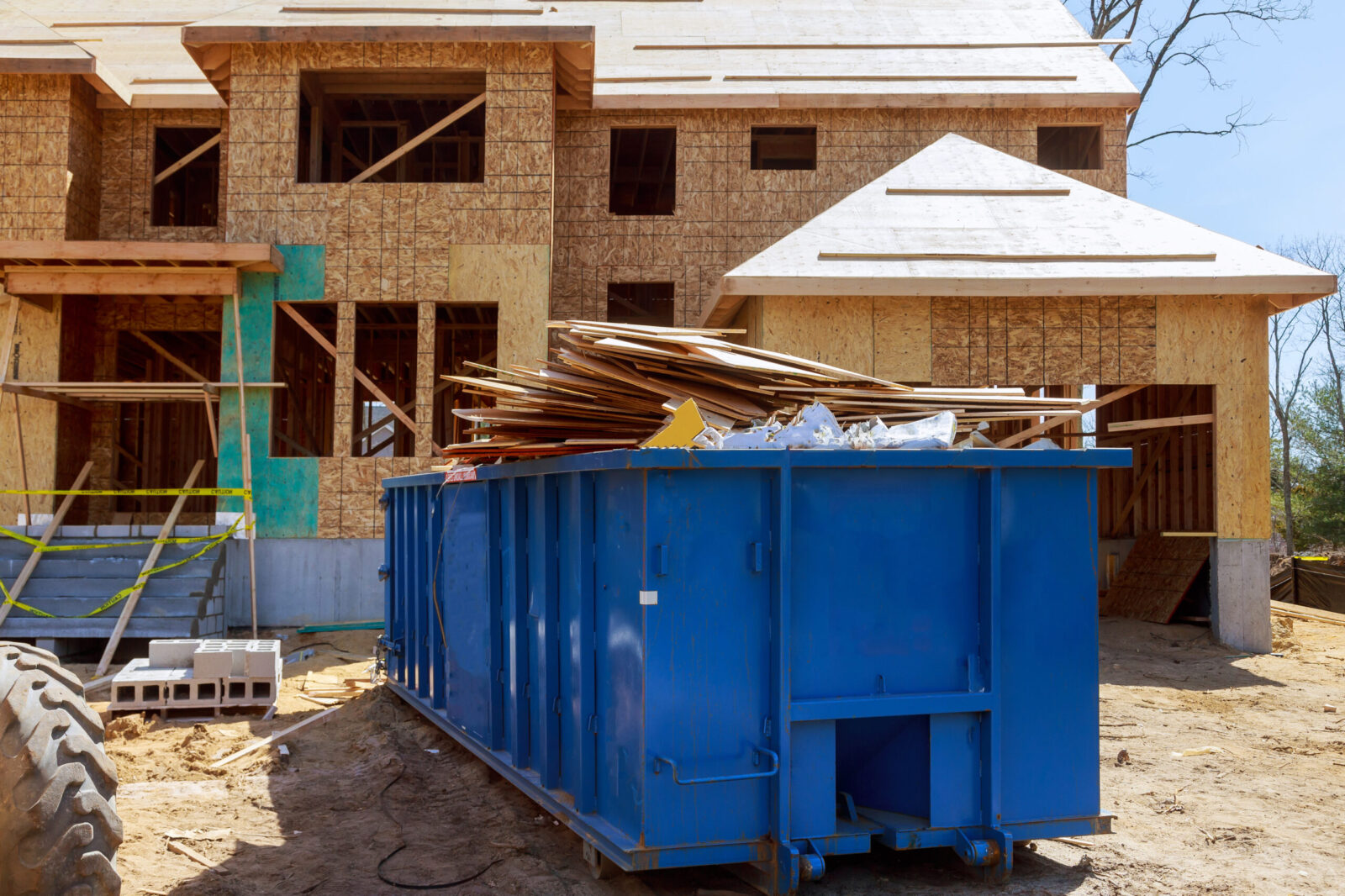
Whole-house remodeling projects are among the most demanding residential renovations contractors undertake. Unlike single-room upgrades, these projects often involve demolition and reconstruction activities throughout multiple areas of the home at the same time. Kitchens, bathrooms, bedrooms, flooring systems, walls, ceilings, and exterior elements may all be updated during a single renovation. As a result, debris management becomes a critical factor in maintaining productivity and keeping the project on schedule.
Without a well-planned disposal strategy, waste can quickly overwhelm work areas and create unnecessary delays. Old materials, packaging, construction scraps, and demolition debris accumulate throughout every phase of the remodel. Contractors who plan dumpster logistics early are often able to maintain cleaner jobsites, improve labor efficiency, and keep renovation timelines moving forward.
Effective dumpster rental planning should be treated as an important part of the overall remodeling strategy rather than a task handled after construction begins.
Why Whole-House Remodels Generate Significant Debris
A full-home renovation typically involves removing large amounts of existing materials before installation work can begin. Flooring, cabinets, drywall, fixtures, countertops, trim, doors, and built-in features may all be removed during the demolition phase.
Once reconstruction starts, waste continues to accumulate through material deliveries, packaging, cutoffs, and installation debris. Because work is taking place throughout multiple rooms simultaneously, debris volume often grows faster than contractors initially expect.
Unlike smaller projects where waste may be concentrated in one area, whole-house remodels generate debris across the entire property, making organized disposal even more important.
Planning Dumpster Needs Before Demolition Begins
One of the most common mistakes contractors make is waiting until demolition starts to think about waste management. By that point, debris is already accumulating and can quickly become a logistical challenge.
Before construction begins, contractors should evaluate the scope of the remodel, estimate anticipated debris volume, and determine how waste will be generated throughout each phase of work. Planning ahead helps ensure the appropriate disposal resources are available when needed.
Early preparation also allows contractors to coordinate delivery schedules and establish a debris management workflow that supports the project from the first day of construction. Preparation helps eliminate avoidable disruptions later.
Coordinating Dumpster Usage with Remodeling Phases
Different stages of a whole-house remodel generate different amounts of waste. Demolition typically produces the highest volume of debris, while framing, mechanical work, and finishing phases create smaller but continuous waste streams.
Contractors should align dumpster service schedules with these phases to ensure disposal capacity remains available throughout the project. Waiting until containers are full before arranging service can create bottlenecks that affect productivity.
Coordinated scheduling helps maintain steady debris flow and supports smoother transitions between construction activities. Timing plays a major role in keeping projects on track.
Choosing an Efficient Dumpster Location
Dumpster placement can significantly affect labor efficiency during a large remodeling project. If workers must carry debris long distances from active work areas, productivity declines and cleanup becomes more time-consuming.
At the same time, the dumpster should not interfere with deliveries, homeowner access, equipment movement, or staging areas. Contractors should evaluate the property layout carefully before selecting a location.
Working with providers such as Temporary Dumpster can help contractors coordinate placement strategies that support efficient debris removal while maintaining overall jobsite functionality.
Strategic placement saves time throughout the renovation.
Managing Demolition Debris Efficiently
The demolition phase often sets the tone for the rest of the project. Large amounts of drywall, flooring, cabinetry, fixtures, trim, and other materials may be removed within a short period.
Allowing these materials to accumulate throughout the home can create congestion and reduce available workspace. Contractors should establish a process for moving debris directly into the dumpster whenever possible.
Prompt disposal helps preserve work areas and allows crews to transition more quickly into rebuilding and installation phases.
Supporting Multiple Trades During Construction
Whole-house remodels often involve a wide range of subcontractors working throughout the project. Electricians, plumbers, HVAC technicians, drywall installers, flooring contractors, painters, and finish carpenters all contribute to the renovation while generating their own debris.
Without a coordinated waste management system, one trade’s debris can interfere with another crew’s productivity. Contractors should establish clear cleanup expectations and ensure all teams understand how waste should be handled.
Consistency helps maintain smoother workflow and improves coordination across the project. Organization becomes increasingly important as project complexity increases.
Maintaining Clean Work Areas in Occupied Homes
Some whole-house remodeling projects occur while homeowners remain in portions of the property. In these situations, debris management becomes even more important because contractors must maintain access routes and minimize disruptions.
Regular cleanup helps keep hallways, entryways, driveways, and shared spaces clear throughout construction. A well-organized disposal system also helps create a safer environment for both workers and occupants.
Maintaining cleaner conditions contributes to a more positive remodeling experience for everyone involved.
Managing Packaging and Delivery Waste
As new materials arrive throughout the project, packaging waste becomes a significant contributor to overall debris volume. Cabinets, appliances, flooring materials, fixtures, doors, windows, and trim products often arrive with cardboard, plastic wrap, pallets, and protective materials.
Contractors should incorporate packaging removal into their regular cleanup procedures rather than allowing these materials to accumulate alongside demolition debris.
Efficient handling of packaging waste helps preserve staging areas and supports better overall site organization.
Reducing Labor Costs Through Direct Disposal
One of the most effective ways to improve efficiency is to minimize how often debris is handled. Temporary debris piles often require workers to move the same materials multiple times before final disposal.
Direct disposal into a centralized dumpster helps eliminate this inefficiency. Contractors who maintain continuous debris flow spend less time managing waste and more time completing productive remodeling tasks.
Reducing unnecessary handling improves labor productivity and helps control project costs.
Adapting to Changes in Project Scope
Whole-house remodels frequently uncover hidden issues once demolition begins. Water damage, outdated wiring, structural concerns, and previous renovation mistakes can expand the project scope and increase debris volume.
Contractors should remain flexible and be prepared to adjust disposal plans as conditions change. Additional service frequency or extended rental periods may be necessary to accommodate unexpected work.
Adaptability helps keep projects moving despite unforeseen challenges. Preparation supports stronger long-term project management.
Maintaining a Professional Jobsite Appearance
Homeowners often evaluate a remodeling project not only by the final result but also by how the jobsite is managed throughout construction. Excessive clutter and debris can create the impression of a disorganized project.
Regular dumpster service and consistent cleanup help maintain a more professional appearance. Organized jobsites also make it easier for homeowners to track progress and remain confident in the renovation process.
Professional site management contributes to stronger customer satisfaction.
Avoiding Common Dumpster Planning Mistakes
Several common mistakes can reduce efficiency during whole-house remodeling projects. These include underestimating debris volume, placing dumpsters too far from active work areas, delaying service scheduling, and failing to coordinate disposal with project phases.
Another frequent issue is allowing waste to accumulate inside the home before addressing cleanup.
Avoiding these challenges requires proactive planning, ongoing monitoring, and close coordination between contractors and disposal providers.
Attention to operational details improves overall project performance.
Supporting More Efficient Whole-House Remodels
Effective dumpster rental planning contributes directly to smoother remodeling operations. When waste is managed properly, crews can work more efficiently, access remains clear, and project phases progress with fewer interruptions.
This leads to improved labor productivity, cleaner jobsites, and stronger schedule control throughout the renovation. Contractors who prioritize debris management are often better equipped to complete projects on time and maintain high levels of client satisfaction.
Efficiency improves when waste removal is integrated into the overall remodeling strategy.
Residential dumpster rental planning is a key part of successfully managing whole-house remodeling projects. From demolition through final finishes, debris is generated continuously and must be handled efficiently to support productivity and organization.
By planning disposal needs early, coordinating service with construction phases, maintaining centralized cleanup systems, and adapting to changing project conditions, contractors can keep large remodeling projects cleaner and more manageable from start to finish.
When waste management is treated as a core operational process, contractors can reduce delays, improve labor efficiency, and complete whole-house remodels with greater consistency, professionalism, and control.