
Ever wondered the exact meaning behind carpal tunnel syndrome? It is not as complicated as you may imagine. Carpal tunnel syndrome happens when the median nerve is overpowered by strain. This nerve runs from your forearm into your hand. It passes through a narrow space in your wrist.
This space is called the carpal tunnel. The nerve gets squeezed when the tunnel shrinks. This triggers multiple discomfort symptoms in your hand. You may feel tingling and numbness around the wrist. Some individuals experience dull pain.
The symptoms usually start to affect your thumb and first three fingers. The pain can hurt in such a way that it will wake you up at night. You might drop objects more frequently. Holding objects also becomes a challenge. A reliable wrist support can help manage these symptoms. A wrist brace can keep your wrist joint in a safe position. This reduces pressure on the irritated nerve.
Let’s explore!
How a Wrist Brace Helps?
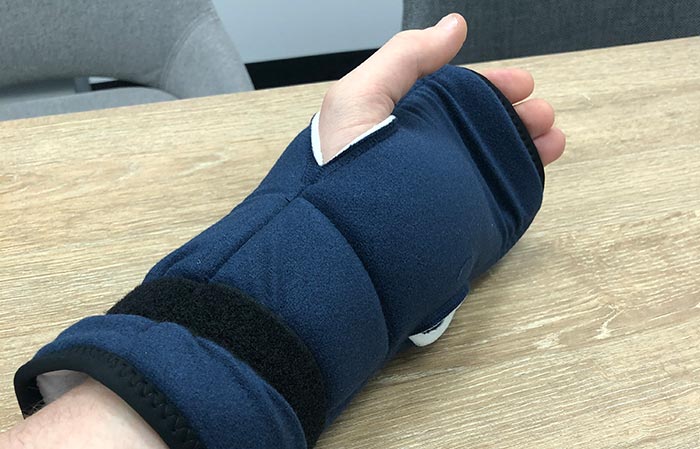
A wrist brace limits harmful wrist movements. It prevents you from bending your wrist too far up or down. Such extreme angles tend to pinch the median nerve. You maximize the space inside the tunnel by keeping the wrist straight. This position enables blood to circulate better. It also gives the swollen tissues a chance to rest.
Most people bend their wrists when sleeping. A wrist brace for night use prevents this subconscious habit. This leads to fewer nighttime awakenings and less morning stiffness. A brace offers stability during the day. It protects the joint during repetitive tasks. It reminds you to use proper ergonomics.
Wrist Brace Features to Look For
Removable Stays
Some braces enable you to remove the rigid metal bars. This converts a stiff night brace into a flexible day wrap. It offers great versatility as you heal.
Contour Designs
Search for a thumb wrist brace that matches the natural curve of your hand. It should comfortably accommodate the palm area.
Easy Fasteners
Hook and loop straps are standard. They enable quick adjustments with one hand. Just ensure the fasteners are of good quality so they do not slip.
Open Finger Layout
The design should leave your fingers free to move. You need to be able to pinch, grip, and type without restriction.
Choosing the Right Fit
A wrong-fitting brace can cause more harm than good. It can trigger more pain. It might also fail to immobilize the joint properly.
You need to measure your wrist circumference accurately. Use a flexible measuring tape just below your hand. Match this number to the manufacturer’s size instructions.
The brace should feel snug yet not overly tight. It should not cause your hand to change colour. It should not cause increased tingling or coldness.
Look for adjustable straps. These enable you to customize the compression throughout the day.
Ergonomics and Brace Integration
A wrist brace with thumb is one part of a larger strategy. You should also evaluate your workspace layout. Your desk setup influences your wrist posture.
Position your keyboard should be positioned at a height that keeps your forearms parallel to the floor. Your wrists should not tilt upward when typing.
A mouse should fit the size of your hand comfortably. Avoid gripping it too tightly. Relax your hand between movements.
Take regular breaks every thirty minutes. Remove your wrist support during breaks to perform gentle stretches. Move your arms and shoulders to promote circulation.
Exercises to Combine with Bracing
Gentle movement keeps tendons gliding smoothly through the carpal tunnel. Only perform these movements when you are not experiencing severe pain.
- Tendon Gliding
- Wrist Extensions
- Wrist Flexions
- Prayer Pulses
Cleaning and Maintaining a Wrist Brace
Regularly washing the brace removes sweat and dirt. It is a good measure of removing dead skin cells and oils. This extends the lifespan of the materials. It also keeps your skin healthy.
- Remove any metal or plastic stays before washing
- Close all hook and loop fasteners to prevent snagging
- Add a chemical-free soap to cool water and wash the fabric by hand
- Rinse until all soap residue is completely removed
- Squeeze out excess water gently without wringing
- Lay the brace flat on a towel to air dry completely
Wrapping Up
Maintaining wrist health requires ongoing attention. A popular question usually arises. Is it possible to completely cure carpal tunnel syndrome with a wrist brace? A brace assists in managing symptoms by reducing daily strain on the nerve. It provides the rest necessary for tissue recovery. It functions better alongside ergonomic changes. Just continue to do habits that support recovery even after your discomfort symptoms subside.
Avoid doing activities that require repetitive wrist movements without breaks. Keep your hands warm in cold environments. Coldness may increase stiffness. Stay hydrated to keep joints and tendons lubricated. Continue with gentle stretching routines even on days when your hands feel fine.
A wrist support remains a valuable aid in your wellness routine. Be mindful of how you wear it and how you care for it. Note that you are also supposed to get assistance from your healthcare provider.