
Major festivals, sporting events, concerts, and outdoor broadcasts have traditionally relied on diesel generators because they are portable, dependable, and familiar to production crews. That model is changing. Organizers are combining grid connections, battery storage, solar systems, and lower-carbon liquid fuels to reduce temporary-power emissions without risking a blackout during a live production.
An important terminology note
In aviation, SAF formally means sustainable aviation fuel, a jet-fuel substitute designed for aircraft. The U.S. Department of Energy’s Alternative Fuels Data Center defines it as an alternative aviation fuel made from non-petroleum feedstocks. It is not normally used in event generators.
At event sites, the fuel replacing fossil diesel is more often HVO, or hydrotreated vegetable oil, also called renewable diesel. SAF and HVO may use similar renewable feedstocks and refining pathways, but they meet different specifications. Therefore, generator-specific examples in this article refer accurately to HVO or renewable diesel.
Why event producers are moving away from diesel
1. HVO can work as a practical drop-in Renewable Fuel
Many approved diesel generator sets can operate on HVO that meets the required fuel standard, often without major engine modifications. Cummins, for example, states that its approved power-generation products can use paraffinic fuels such as HVO. This gives production teams a relatively fast way to lower lifecycle emissions while retaining familiar generators, distribution boards, cabling, and operating procedures.
Compatibility must still be confirmed with the equipment manufacturer and rental supplier. Fuel quality, seals, storage, warranty conditions, and cold-weather performance should be checked before an event.
2. It supports measurable carbon-reduction commitments
Large productions face pressure from artists, sponsors, governing bodies, venues, local authorities, and audiences to publish credible sustainability results. Renewable diesel can reduce lifecycle greenhouse-gas emissions substantially when produced from eligible waste and residue feedstocks.
The exact reduction depends on the raw material, production energy, transport distance, and accounting method. Event organizers should treat “up to” figures as conditional claims rather than guaranteed savings.
3. It lowers transition risk
A battery-only system may not yet suit every multi-day festival, broadcast compound, or remote sporting venue. HVO allows producers to reduce reliance on fossil diesel while gradually adding battery storage, solar arrays, smarter load management, and renewable grid power.
In a hybrid system, batteries can manage low and variable loads while generators cover peaks and provide resilience. This can reduce generator running hours, fuel consumption, noise, and unnecessary equipment oversizing.
4. It fits established event logistics
Temporary power operates within short production windows. Equipment must arrive, be commissioned, run continuously, and leave on schedule. A liquid Renewable Fuel can use much of the established delivery and refueling process, making adoption easier than a complete energy-system redesign.
Responsible sourcing remains essential. Buyers should request fuel certificates, feedstock information, chain-of-custody documents, and lifecycle carbon data. Poorly sourced feedstocks can weaken the environmental case.
Real case study 1: Glastonbury Festival
In 2023, Glastonbury Festival announced that all generators across the site, including those serving the Pyramid Stage, would run on sustainable, palm-oil-free HVO made from waste cooking oil. Production areas also used renewable electricity, solar photovoltaic systems, batteries, onsite biogas, and a temporary wind turbine.
The festival stated that its HVO could reduce lifecycle carbon-dioxide-equivalent emissions by up to 90% compared with fossil diesel. Its current sustainability information says Glastonbury has used no fossil fuel for onsite power since 2023 and continues to reduce the number and size of HVO generators as grid and renewable infrastructure improves.
The lesson is not simply to replace diesel litre for litre. Glastonbury demonstrates a layered approach: renewable fuel for resilience, supported by batteries, onsite generation, efficiency measures, and permanent infrastructure upgrades.
Real case study 2: KPMG Australia Sail Grand Prix, Sydney
Aggreko reported that the 2024 Sydney SailGP used HVO instead of conventional diesel for temporary generation. According to the company’s published SailGP case study, the system generated 22,770 kWh using 9,141 litres of HVO and avoided an estimated 23,533 kg of carbon-dioxide-equivalent emissions.
This case connects the fuel decision to measurable operational data. The event received dependable temporary power, while the supplier documented energy generated, fuel consumed, and estimated emissions avoided. Aggreko later reported that SailGP reduced temporary-power emissions by 73% in Season 4 compared with the previous season through a broader mix of efficiency and cleaner-energy measures.
Where Electrofuels fit into future event production
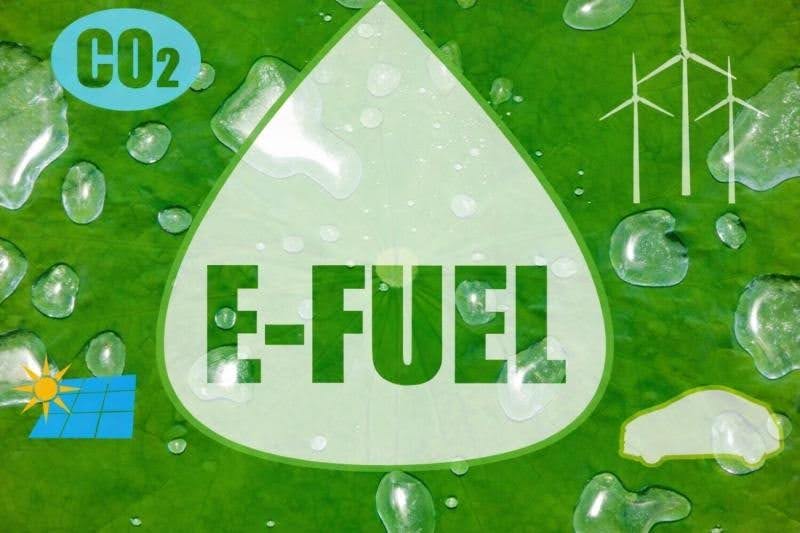
Electrofuels, often called e-fuels, are synthetic fuels made primarily with electricity and a carbon source. The U.S. Department of Energy describes e-fuels as energy carriers synthesized using electricity, often to produce hydrogen, and carbon-containing inputs.
An E-fuels Event strategy could eventually support touring fleets, backup generation, aviation, and heavy transport with synthetic diesel-like or jet-like fuels. However, electrofuels are currently less available and generally more expensive than HVO. They also require substantial electricity during production, so direct electrification is usually more energy-efficient wherever grid connections or batteries can meet the load.
E-fuels are therefore more likely to complement batteries, renewable grids, and efficiency measures than replace them.
What producers should verify before switching
- Complete a power study based on actual loads rather than generator nameplate capacity.
- Confirm that each generator is approved for HVO and identify the required fuel standard.
- Verify feedstock origin, fuel certification, delivery reliability, and storage requirements.
- Separate lifecycle greenhouse-gas claims from tailpipe-emissions claims.
- Use batteries and load management to reduce generator runtime wherever practical.
- Document fuel consumed, electricity generated, and the methodology behind reported savings.
HVO still produces exhaust at the point of use, so it should not be described as zero-emission power. The strongest event-energy plan reduces demand first, uses renewable electricity where available, and reserves liquid fuel for loads that cannot yet be electrified reliably.
Frequently asked questions
1. Is SAF the same as renewable diesel?
No. SAF normally means sustainable aviation fuel and is formulated for aircraft. Renewable diesel or HVO is the fuel more commonly used as a fossil-diesel substitute in event generators.
2. Can every diesel generator run on HVO?
Not automatically. Many modern units are approved for HVO, but producers must check the engine manufacturer’s specification, warranty conditions, required fuel standard, and rental supplier’s guidance.
3. Does HVO eliminate event emissions?
No. It can reduce lifecycle greenhouse-gas emissions, but generators still create tailpipe emissions. Greater reductions usually come from combining HVO with renewable grid power, batteries, onsite renewables, and lower energy demand.
4. Are Electrofuels already common at events?
No. Electrofuels remain limited and costly compared with conventional fuels and HVO. They are more likely to appear first in hard-to-electrify transport, aviation, and specialist backup applications.
5. What is the best replacement for diesel at a major event?
There is no single answer. A strong plan prioritizes efficient equipment, renewable grid electricity, batteries, and onsite renewables, with responsibly sourced HVO or future e-fuels used where dependable liquid-fuel backup remains necessary.
Final takeaway
SAF is not literally replacing diesel inside most event generators; HVO renewable diesel is. The broader shift is real: major productions are moving from diesel-only power toward integrated systems built around efficiency, batteries, renewable electricity, and verified lower-carbon fuels. Glastonbury and SailGP show that this transition can be measured and delivered without sacrificing the reliability on which live events depend.