
A small device can sometimes make a big change in someone’s life. This is very true in eye care. When a person needs cataract surgery, the doctor must choose the right lens for the eye. If the numbers are not correct, the person may not see as clearly after surgery. That is why eye measurements are so important.
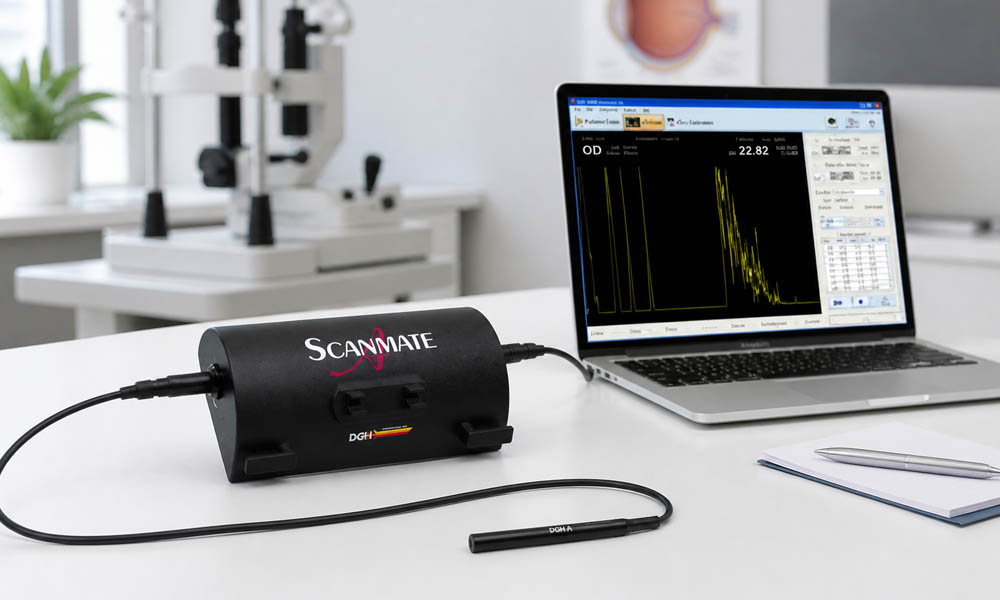
This is where DGH A becomes useful. DGH A, also known as Scanmate A or DGH 6000 A-Scan, is a small eye ultrasound device made for eye doctors. It helps measure the inside of the eye in a safe and simple way. It may look small, but it gives doctors very important details.
In this article, we will explain DGH A in very easy words. We will talk about what it is, how it works, why doctors use it, and how it helps with cataract surgery and myopia tracking. By the end, you will understand why this small eye scanner is making big changes in modern eye care in 2026.
What Is DGH A?
DGH A is a medical device used by eye doctors. It is an A-Scan ultrasound machine. That may sound technical, but the idea is simple. It uses safe sound waves to measure parts inside the eye. These sound waves help the device find the distance between different parts of the eye.
The device is also known as Scanmate A or DGH 6000 A-Scan. It is made by DGH Technology, a company known for eye care ultrasound tools. The device is small, light, and easy to carry. This makes it useful for many eye clinics, hospitals, and mobile eye camps.
Think of DGH A like a tiny scanner for the eye. It does not take a normal photo. Instead, it uses sound waves to collect numbers. These numbers help doctors understand the eye better and plan treatment in a safer way.
Why DGH A Is Important in Eye Care
Eye care depends on correct details. A doctor cannot guess the size or shape of the eye before surgery. The numbers must be very exact. Even a small mistake can affect the result, especially during cataract surgery.
DGH A helps doctors get these important numbers. It measures the length of the eye and the thickness of the natural lens. These details help doctors choose the right artificial lens for a patient. This is very important because the right lens can help a person see better after cataract surgery.
It is also helpful for children with myopia, which means short-sightedness. In many children, myopia gets worse as the eye grows longer. With DGH A, doctors can track this change over time. This helps them see if treatment is working or if the child needs more care.
How DGH A Works
The way DGH A works is simple to understand. The doctor uses a small probe near the eye. This probe sends safe ultrasound sound waves into the eye. These waves move through the eye and bounce back when they touch different parts inside.
The device reads the returning sound waves. Then the software turns them into useful measurements. These measurements show things like eye length and lens thickness. The process only takes a short time, but the information is very helpful.
For the patient, the test is usually quick and painless. The doctor may use numbing drops if the probe touches the eye. In some cases, the doctor may use a special liquid method. Either way, the goal is the same: to collect clear and correct eye measurements.
What DGH A Measures
One of the main things DGH A measures is axial length. This means the length of the eye from the front part to the back part. In very simple words, it tells the doctor how long the eye is. This number is very important before cataract surgery.
The device also measures lens thickness. The natural lens sits inside the eye. When a person has cataracts, this lens becomes cloudy. Before surgery, doctors need to understand the eye’s shape and size so they can plan the best treatment.
These numbers may look very small, but they matter a lot. Even a tiny difference can change the lens power needed for surgery. That is why doctors need a device that can give clear and repeatable results. DGH A is made to help with this exact need.
DGH A and Cataract Surgery
Cataract surgery is one of the most common eye surgeries in the world. During this surgery, the cloudy natural lens is removed. Then the doctor places a clear artificial lens inside the eye. This artificial lens is called an intraocular lens, or IOL.
Before surgery, the doctor must choose the correct IOL power. This is where DGH A becomes very important. It gives the doctor the eye measurements needed to calculate the right lens. If the lens power is correct, the patient has a better chance of clear vision after surgery.
The DGH A software includes trusted lens formulas. These may include SRK/T, Hoffer Q, Haigis, Holladay, and Shammas. It also supports special formulas for people who had LASIK or PRK surgery before. This makes the device useful for many types of patients.
DGH A for Myopia Tracking
Myopia means a person can see nearby things clearly, but faraway things look blurry. It is also called short-sightedness. In children, myopia can get worse as the eye grows longer. That is why doctors often need to check eye length over time.
DGH A can help doctors track this change. It measures the eye length and stores the results. Later, the doctor can compare old and new numbers. This helps show if the eye is growing too fast or staying stable.
This is very helpful for myopia control. For example, a child may use special glasses, contact lenses, or eye drops to slow myopia growth. With DGH A, the doctor can see if the treatment is helping. Parents can also understand the progress more clearly because the results can be shown in a simple chart.
Best Features of DGH A
One useful feature of DGH A is its star and sound guidance system. The screen shows stars to help the doctor know if the probe is in the right place. The device also gives sound signals when the position is correct. This makes the scan easier and helps reduce mistakes.
Another important feature is the safety lock, also called compression lockout. If the probe presses too hard on the eye, the device can stop the measurement. This matters because too much pressure can change the shape of the cornea for a short time. That can lead to wrong numbers.
DGH A also supports both contact and immersion modes. It connects to a Windows computer with a USB cable. The software can show results, calculate lens power, save reports, and print them. These features make the device easy for doctors and helpful for clinics.
DGH A Contact and Immersion Modes
DGH A can be used in contact mode. In this method, the probe gently touches the eye. The doctor may use numbing drops so the patient does not feel discomfort. Contact mode is simple and quick, which makes it useful in many normal clinic visits.
The device can also be used in immersion mode. In this method, the probe does not press directly on the eye in the same way. A small shell and liquid are used between the probe and the eye. This helps the ultrasound waves pass clearly.
Many doctors like immersion mode because it can reduce pressure on the eye. Less pressure can mean more accurate results in some cases. This is important when the doctor needs very exact measurements before surgery.
Why Doctors Like DGH A
Doctors like DGH A because it is simple to use. In a busy eye clinic, every minute matters. A device that is easy to set up and easy to understand can save a lot of time. The doctor does not need a huge machine or a complex room setup. The device connects to a Windows computer with a USB cable, and the scan can begin.
The software is also made to guide the user. It shows clear results and helps with lens power planning. This is very useful before cataract surgery. Instead of writing everything by hand, the doctor can save, print, or export the report for the patient file.
Another reason doctors trust DGH A is its repeatable results. This means the device can give steady numbers again and again when used correctly. In eye care, this is very important. Doctors need numbers they can trust, especially when planning surgery or tracking eye growth in children.
How DGH A Helps Patients
For patients, DGH A makes the eye test quick and simple. Many people feel nervous when they hear the word “ultrasound” or “eye scan.” But this test is not scary. It uses safe sound waves, not sharp tools or painful steps.
The test usually takes only a short time. The doctor explains what will happen, prepares the eye, and then takes the measurement. Most patients can return to normal activity right after the test. This makes it easy for older adults, children, and busy families.
The biggest benefit for patients is better planning. If the doctor gets the right eye measurements, the chance of choosing the right lens for cataract surgery becomes better. For a patient, that can mean clearer vision and more confidence after surgery.
DGH A Technical Details in Simple Words
The DGH A uses a 10 MHz ultrasound probe. This means the small probe sends sound waves at a level that helps measure the eye clearly. You do not need to understand the science deeply. Just think of it as a smart tool that listens to echoes inside the eye.
It can measure eye length from about 15 mm to 40 mm. This range is useful for both children and adults. It can also measure lens thickness from about 2 mm to 7.5 mm. These details help doctors study the eye and plan treatment with more care.
The device has a very fine resolution of 0.01 mm. That means it can read very small changes. It is also known for steady results, with strong consistency when used properly. The device is small, light, USB-based, and approved by major safety systems like FDA and CE. This makes it trusted in many eye care settings.
DGH A vs Bigger Eye Machines
Some eye machines are large and hard to move. They may need more space, more setup, and more training. This can be a problem for small clinics or eye camps. Not every clinic has a big room or a large budget for heavy equipment.
DGH A is different because it is small and portable. It can be placed on a desk and connected to a computer. This makes it easier for clinics that want accurate eye measurements without a large machine. It is also helpful when doctors need to move between rooms or visit another clinic.
This does not mean bigger machines are not useful. Large systems can have many advanced features. But DGH A stands out because it gives strong results in a small package. For many doctors, this balance of size, accuracy, and ease of use is very helpful.
Real-Life Uses of DGH A
One common real-life use of DGH A is cataract surgery planning. Imagine an older patient who has cloudy vision and wants surgery. Before the operation, the doctor uses the device to measure the eye. These numbers help the doctor choose the best lens for that patient.
Another use is myopia care in children. A child may visit the clinic every few months. The doctor can measure the eye length and compare it with earlier results. If the eye is growing too fast, the doctor can adjust the treatment plan. This helps parents see what is happening in a clear way.
DGH A can also be useful in rural eye camps. Since the device is light and easy to carry, it can go where large machines cannot. This matters in areas where people may not have easy access to big hospitals. A small device can help bring better eye care closer to more people.
Other DGH Eye Care Devices
DGH Technology also makes other eye care tools. One example is Scanmate Flex. This device is more advanced because it can support different types of eye ultrasound, such as A-scan, B-scan, and UBM. This makes it useful for deeper eye checks.
The company also has devices like Pachmate 2 and Pachette 4. These tools are used to measure corneal thickness. This can help in glaucoma checks and other eye care needs. So, DGH Technology is not known for only one product. It has a wider role in eye care tools.
Still, this article focuses mainly on DGH A. It is one of the company’s useful devices because it is simple, portable, and helpful for daily clinic work. It gives doctors the key numbers they need without making the process too hard.
Is DGH A Worth It?
For many clinics, DGH A can be worth it because it brings together several useful things. It is small, light, accurate, and easy to use. It also supports important work like cataract surgery planning and myopia tracking.
A small clinic may like it because it does not take much space. A large hospital may like it because it is quick and dependable. A mobile eye camp may like it because it is easy to carry. This makes the device useful in many different places.
In 2026, eye care is becoming more focused on fast, safe, and clear results. Patients want better care. Doctors want tools that save time and improve trust. DGH A fits well into this need because it helps doctors work with more confidence.
Conclusion
DGH A is a small eye scanner, but its role in eye care is big. It helps doctors measure the eye, plan cataract surgery, track myopia, and create clear reports. These tasks may sound simple, but they can strongly affect a patient’s vision care.
The best thing about DGH A is its balance. It is not too heavy. It is not too hard to use. It gives useful results and supports modern eye clinics. Its safety features, sound guidance, and software tools make it helpful for both doctors and patients.
In the end, DGH A shows how a small medical device can make eye care easier and better. For doctors, it means trusted measurements. For patients, it means safer planning and more hope for clear vision. That is why this small eye scanner is making big changes in eye care today.
You may also read: Classroom 15X: Why Students and Teachers Are Talking About It