
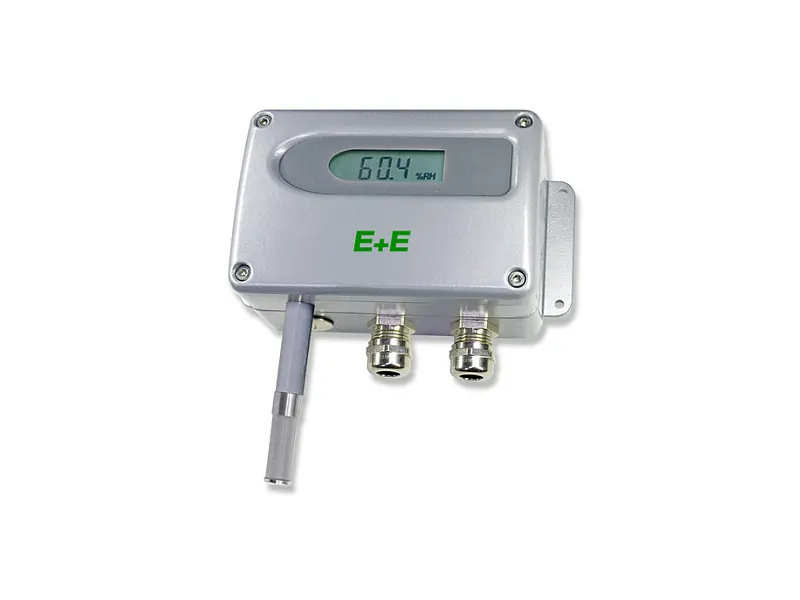
In the United States, environmental monitoring is not always a matter of preference. For a wide range of industries, maintaining documented records of temperature and humidity levels is a direct regulatory requirement — one that carries consequences when ignored. Inspections, audits, recalls, and liability claims have all traced back to gaps in environmental recordkeeping. What sits at the center of this requirement, in most cases, is a straightforward but critically important piece of equipment.
This article outlines ten industries where temperature and humidity monitoring is not optional. Each of these sectors operates under federal, state, or industry-specific oversight that defines how environmental conditions must be tracked, recorded, and in many cases, reported. Understanding which agencies are involved and why the requirement exists helps organizations treat compliance as an operational standard rather than a checkbox exercise.
Why Environmental Monitoring Has Become a Regulatory Baseline
A temperature humidity monitoring device serves a functional role that goes beyond simple data collection. In regulated industries, it provides a verifiable record that conditions were maintained within acceptable parameters during storage, transport, production, or care delivery. Regulatory bodies have increasingly required this documentation because temperature and humidity fluctuations directly affect product integrity, patient safety, and material quality. Without continuous monitoring and logging, there is no way to confirm that a critical environment remained stable — and in legal or audit terms, what cannot be proven did not happen.
The legal basis for environmental monitoring requirements spans multiple federal agencies, including the Food and Drug Administration, the United States Department of Agriculture, the Occupational Safety and Health Administration, and others. Each agency has built specific monitoring expectations into its compliance frameworks. As industries have digitized their operations, regulators have updated their standards accordingly, meaning that manual spot-checks are often no longer sufficient.
The Shift from Voluntary to Mandatory Monitoring
For many of the industries listed below, environmental monitoring was once considered a best practice. Over time, as incidents of product loss, contamination, and safety failures accumulated, regulators codified monitoring requirements into enforceable rules. This transition means that facilities that once treated monitoring as optional now face citations, warning letters, or operational shutdowns for non-compliance. The shift is not theoretical — it reflects a pattern of real events that regulators responded to with clearer, binding requirements.
1. Pharmaceutical Manufacturing and Storage
The pharmaceutical industry operates under some of the most detailed environmental monitoring requirements in the country. The FDA’s Current Good Manufacturing Practice regulations require that storage areas for drug products maintain controlled conditions, and that those conditions are continuously documented. Temperature excursions during drug storage can degrade active ingredients, reduce efficacy, or create safety hazards for patients. Humidity levels matter as well, particularly for moisture-sensitive formulations and packaging materials.
Cold Chain and Distribution Requirements
Beyond manufacturing facilities, pharmaceutical distributors and third-party logistics providers handling temperature-sensitive drugs must also maintain monitoring records throughout the supply chain. The FDA’s Drug Supply Chain Security Act and related guidance documents set expectations for data logging during transit and at storage points. Gaps in this chain have resulted in product recalls and regulatory action, making uninterrupted monitoring a condition of continued operation.
2. Food Processing and Commercial Food Storage
The Food Safety Modernization Act, administered by the FDA, established preventive controls for human food that include environmental monitoring as part of a facility’s food safety plan. Food processing environments are susceptible to microbial growth when humidity is not managed, and temperature fluctuations in cold storage can lead to spoilage or pathogen development. USDA-regulated meat and poultry facilities face additional requirements under their own inspection frameworks.
HACCP Programs and Documentation
Hazard Analysis Critical Control Points programs, which are mandatory for many food categories, require facilities to monitor and record conditions at critical control points. Temperature is among the most common of these points. When a facility cannot produce monitoring logs during an inspection, it creates a presumption of non-compliance that is difficult to resolve retroactively.
3. Healthcare Facilities and Hospitals
Hospitals and licensed healthcare facilities are subject to standards from the Centers for Medicare and Medicaid Services, The Joint Commission, and state health departments, all of which address environmental conditions in patient care areas, pharmacies, and storage rooms. Operating rooms, for example, require specific temperature and humidity ranges to reduce infection risk and ensure that equipment functions properly. Medication storage areas must also meet defined conditions to protect drug integrity.
Accreditation and State Licensure
Healthcare accreditation bodies conduct regular surveys that include review of environmental monitoring records. Facilities that cannot produce continuous logs for critical areas risk losing accreditation status, which directly affects their ability to participate in Medicare and Medicaid programs. This financial exposure makes environmental monitoring a priority that extends well beyond the facilities management department.
4. Blood Banks and Laboratory Settings
Clinical laboratories and blood storage facilities operate under regulations from the FDA and the Clinical Laboratory Improvement Amendments program managed by the Centers for Medicare and Medicaid Services. Blood products must be stored within precise temperature ranges, and laboratories handling biological samples must document that storage conditions were maintained throughout the sample’s chain of custody. These requirements exist because even brief temperature excursions can render samples or blood products unusable or unsafe.
5. Vaccine Storage at the Distribution and Provider Level
The Centers for Disease Control and Prevention has issued detailed requirements for vaccine storage through its Vaccine Storage and Handling Toolkit, which applies to providers participating in federal immunization programs. Vaccines are among the most temperature-sensitive biological products in routine use, and improper storage can result in revaccination requirements, wasted product, and patient harm. As outlined in the CDC’s vaccine storage guidance, continuous monitoring with a calibrated device is a condition of program participation.
6. Cannabis Cultivation and Processing
State-licensed cannabis operations across the US face environmental monitoring requirements embedded within their licensing conditions. Cultivation facilities must manage temperature and humidity to prevent mold and pest infestations, both of which can lead to failed product testing and license suspension. Processing and packaging facilities face similar requirements, particularly in states with detailed good manufacturing practice standards modeled after food or pharmaceutical frameworks.
Testing, Traceability, and Environmental Records
Many state cannabis regulatory agencies require operators to maintain environmental records as part of their traceability documentation. Inspectors reviewing facility conditions during audits or complaint investigations commonly request historical monitoring data. Facilities without this documentation have limited ability to demonstrate that their products were handled under appropriate conditions from cultivation through packaging.
7. Aerospace and Defense Manufacturing
Aerospace manufacturing facilities that work under contracts governed by military or federal aviation specifications must maintain controlled environments during the production, assembly, and storage of components. Humidity affects adhesive bonding, composite materials, and electronic assemblies in ways that can compromise structural integrity or functionality. Environmental monitoring records are often required as part of quality documentation that accompanies deliverables to government clients or prime contractors.
8. Archival and Museum Facilities
Federal institutions, including the National Archives and nationally accredited museums, are required to maintain specific environmental conditions for the preservation of historical records, artifacts, and collections. Fluctuations in temperature and humidity accelerate the deterioration of paper, textiles, photographs, and organic materials. Accreditation standards from the American Alliance of Museums and grant requirements from federal cultural agencies both reference environmental monitoring as a condition of compliance and continued funding eligibility.
9. Agricultural and Grain Storage
Federally licensed grain warehouses operating under the US Warehouse Act are subject to USDA oversight that includes requirements for storage conditions. Grain stored at elevated moisture levels is vulnerable to mold and mycotoxin development, which creates both commodity quality issues and potential food safety risks. Environmental monitoring in these facilities supports the documentation needed for federally backed grain receipts and commodity loan programs.
10. Data Centers and Server Facilities
While data centers are not regulated by a single federal agency in the same way that pharmaceutical or food facilities are, many operate under contractual obligations, industry standards such as those from ASHRAE, or requirements tied to federal government contracts. High humidity levels accelerate corrosion in electronic equipment, while low humidity creates static discharge risks. For facilities handling classified or sensitive government data, environmental monitoring is often a security and continuity requirement with audit obligations attached.
Insurance and Contractual Exposure
Beyond regulatory frameworks, data centers and colocation facilities face insurance policy conditions and client service agreements that require documented environmental controls. When equipment failure occurs, insurers and clients frequently request monitoring logs to determine whether environmental conditions contributed to the loss. Facilities without this documentation may find themselves absorbing costs that would otherwise have been covered.
Closing Thoughts
Environmental monitoring requirements in the United States are not uniform, but the underlying logic is consistent across every industry covered here. When temperature and humidity conditions affect the safety of a product, the integrity of a material, or the wellbeing of a person, regulators have moved to require documented evidence that those conditions were actively managed. The demand is not for perfection — it is for accountability and traceability.
For facility managers, compliance officers, and operations teams in any of these industries, the practical implication is clear: monitoring cannot be intermittent, and recordkeeping cannot be reconstructed after the fact. The requirement exists precisely because conditions can change without notice, and the consequences of undocumented excursions are difficult to contain after an audit, an inspection, or an incident has already occurred.
Organizations that treat environmental monitoring as an integrated part of their quality and compliance systems — rather than a standalone technical task — tend to manage regulatory relationships more smoothly and recover from equipment or process failures more effectively. The monitoring itself is the baseline. What facilities do with that data, and how consistently they maintain their records, is where operational maturity shows.