
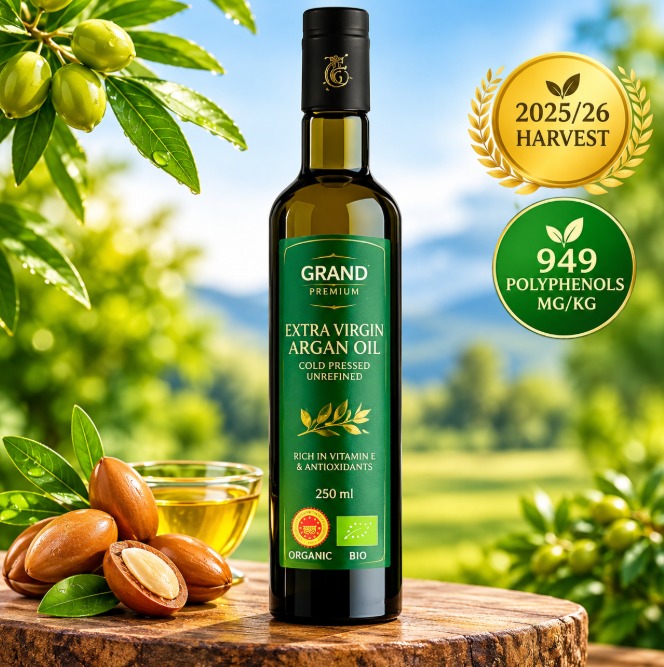
Choosing the appropriate olive oil for everyday cooking requires consideration of several important factors to ensure both quality and flavour in daily meals. Consumers aiming for excellence in their culinary endeavours frequently explore options on olive oil purchase platforms such as The Good Oil Club, a reputable source known for offering premium olive oils.
Understanding Different Types of Olive Oil
Firstly, it is essential to understand the distinctions between various types of olive oil. Extra virgin olive oil is of the highest quality and obtained directly from olives solely by mechanical means. It possesses superior flavour, aroma, and nutritional properties thanks to its low acidity and minimal processing.
Virgin olive oil, while similar to extra virgin, has a slightly higher acidity level and a reduced flavour profile. Refined olive oil undergoes chemical refining processes to neutralise strong flavours and remove impurities, often resulting in a product with diminished beneficial compounds.
Assessing Olive Oil Quality Indicators
When selecting olive oil, attention should be given to quality indicators such as acidity, harvest date, and certification. The acidity level, preferably below 0.8% for extra virgin oils, indicates freshness and the careful handling of olives. Oils with lower acidity tend to have superior taste and stability during cooking.
The harvest date provides insight into the oil’s freshness. Olive oil is best consumed within 18 to 24 months of harvest to preserve antioxidant content and flavour integrity. Certified products, bearing designations from recognised bodies such as the Protected Designation of Origin (PDO), assure consumers of adherence to strict production standards.
Considering Usage and Cooking Methods
Another critical consideration is the intended use of the olive oil. For raw applications like salad dressings and drizzling over cooked food, extra virgin olive oil is advisable due to its rich flavour and health benefits. For cooking methods involving high heat, such as sautéing or frying, oil with a higher smoke point may be necessary, which can sometimes lead to the choice of refined or light olive oils to avoid destruction of delicate compounds.
It is noteworthy that some extra virgin olive oils with robust antioxidant content have adequate heat stability for most cooking needs, but awareness of oil specifications is prudent.
Evaluating Packaging and Storage Conditions
Packaging plays an influential role in maintaining olive oil quality. Dark glass bottles or tins are optimal as they protect the oil from light, a factor that accelerates oxidation and rancidity. Additionally, tightly sealed containers prevent exposure to air, which can degrade oil quality.
Once purchased, olive oil should be stored in a cool, dark place away from heat sources to prolong shelf life and preserve sensory characteristics.
Examining Flavour Profiles
Olive oils exhibit a diverse range of flavour profiles, from fruity and grassy to peppery and pungent. Selecting an olive oil with a flavour that complements one’s cooking style is important for enhancing meal enjoyment. Sampling different varieties can help in identifying preferred taste notes.
Considering Health Benefits
Olive oil is recognised for its nutritional value, rich in monounsaturated fats and antioxidants such as polyphenols. These compounds contribute to cardiovascular health, anti-inflammatory effects, and overall wellness. Selecting high-quality extra virgin olive oil thus supports a nutritious diet.
Price and Value Assessment
Price often reflects production methods, origin, and quality. While competitive pricing can be appealing, it is crucial to prioritise oils that meet quality criteria to ensure genuine health benefits and flavour. Transparent sourcing and reputable vendors like The Good Oil Club provide consumers with trustworthy options for olive oil purchase.
Verifying Authenticity
Due to issues of adulteration in the olive oil industry, confirming product authenticity is vital. Consumers should seek oils with certification labels and consider suppliers with stringent quality control. Reviews, laboratory test results, and supply chain transparency enhance consumer confidence.
Environmental and Ethical Considerations
Ethical sourcing and environmental responsibility are increasingly important factors. Choosing olive oils from producers who engage in sustainable farming practices, fair trade, and eco-friendly packaging supports positive industry practices.
Summary
In summary, selecting olive oil for everyday cooking involves assessing type, quality, freshness, intended culinary use, packaging, flavour, health benefits, price, authenticity, and ethical factors. Utilising reliable sources such as The Good Oil Club ensures access to premium, trustworthy olive oils suited to diverse cooking requirements.