
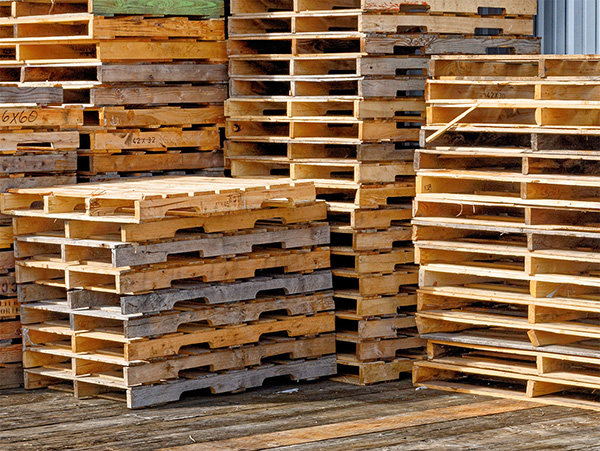
Businesses that receive, store, or ship products often accumulate wooden pallets that are damaged, worn out, or no longer needed. Leaving these pallets in a warehouse or loading area takes up valuable space and can create unnecessary handling and disposal costs. Working with reliable scrap pallet buyers can help businesses manage unwanted pallets more efficiently while identifying opportunities to recover value from materials that might otherwise go to waste.
What Are Scrap Pallet Buyers?
Scrap pallet buyers are businesses or recycling providers that purchase or collect used, damaged, and unwanted pallets. Depending on their condition, pallets may be repaired, reused, dismantled for usable lumber, or processed for recycling.
Not every discarded pallet is considered scrap. Some pallets remain in good enough condition to be reused or repaired, while others have broken boards, damaged stringers, missing components, or structural weaknesses that make them unsuitable for their original purpose.
Buyers typically evaluate pallets based on factors such as their condition, dimensions, material, quantity, and potential for reuse or recovery.
For businesses with a steady supply of unwanted pallets, establishing a relationship with a suitable buyer can make pallet management more predictable and organized.
Why Businesses Sell Scrap Pallets
Pallet accumulation is a common challenge for warehouses, manufacturers, distributors, retailers, and logistics companies. A consistent pallet recovery process can provide several operational benefits.
Recover Value From Unwanted Materials
Depending on local demand and the condition of the pallets, businesses may be able to sell certain used or scrap pallets instead of paying to dispose of them.
The amount a buyer offers can vary. Pallets that can be repaired or resold may have a different value from those that need to be dismantled for parts or recycled.
Free Up Warehouse Space
Stacks of unwanted pallets can occupy floor space needed for inventory, equipment, and everyday warehouse operations. Removing excess pallets helps keep storage and loading areas more organized.
Reduce Disposal and Handling Costs
A suitable collection arrangement can reduce the time employees spend sorting, moving, and managing unwanted pallets. Depending on the service agreement, it may also reduce disposal expenses.
Support Reuse and Recycling
Wooden pallets often contain components that can be recovered for further use. Repairing usable pallets or recycling suitable lumber helps extend material life and can reduce waste.
Which Types of Scrap Pallets Can Be Sold?
The types of pallets accepted depend on the buyer’s requirements and the condition of the materials.
Broken wooden pallets: Pallets with cracked boards, damaged blocks, or broken stringers may be accepted for repair, parts recovery, or recycling.
Damaged shipping pallets: Pallets that can no longer safely carry their intended loads may still contain reusable wood.
Mixed used pallets: Businesses may accumulate pallets of different sizes, designs, and conditions. Some buyers accept mixed loads, although sorting requirements can vary.
Recyclable pallet components: Certain buyers recover usable boards, blocks, and other wooden components from pallets that cannot be repaired as complete units.
Excess or obsolete pallets: Pallets that are no longer needed because of changes in inventory, packaging, or shipping requirements may be suitable for resale or recycling if they meet the buyer’s acceptance criteria.
Plastic and metal pallets follow different recovery processes, so businesses should confirm whether a prospective buyer accepts those materials before arranging collection.
How Scrap Pallet Buyers Determine Value
The value of scrap pallets depends on several practical factors. Understanding these considerations can help businesses set realistic expectations when requesting a quote.
Pallet Condition
Pallets that can be reused or repaired generally have more potential value than those with extensive structural damage. Buyers may inspect boards, stringers, blocks, and overall stability before determining how the pallets can be processed.
Pallet Size and Design
Standard pallet sizes may be easier for some buyers to handle and resell. Unusual dimensions or specialized designs can affect demand, depending on the buyer’s customers and available processing equipment.
Quantity Available
The number of pallets being sold can influence collection logistics and commercial terms. Large, consistent volumes may be more attractive to some buyers, while smaller loads may require different arrangements.
Location and Transportation
Collection distance, loading requirements, and transportation costs can affect the economics of a transaction. Businesses should clarify whether the buyer collects pallets from their facility and whether any minimum quantities or service fees apply.
Local Market Demand
Demand for used pallets and recovered lumber changes according to regional supply, customer requirements, and broader market conditions. As a result, prices can vary between buyers and over time.
How to Find the Right Scrap Pallet Buyer
Choosing a buyer involves more than comparing the quoted price. Businesses should consider reliability, acceptance criteria, collection arrangements, and the buyer’s ability to handle their regular pallet volume.
Start by describing the pallets you have available. Include the approximate quantity, material, dimensions, condition, and collection location. Photographs can help a buyer understand the condition of the pallets before arranging an inspection or collection.
Next, request clear pricing and service terms. Ask whether the buyer pays for pallets by unit, load, or another agreed method. Confirm any sorting requirements, minimum quantities, loading responsibilities, and collection charges.
It is also useful to establish how frequently pickups can be scheduled. A business generating pallets every week may benefit from a recurring arrangement rather than organizing a separate collection each time the storage area fills up.
Finally, choose a provider whose service can accommodate your operational requirements and communicate clearly about changes to collection schedules or accepted materials.
Preparing Scrap Pallets for Collection
A little preparation can make pallet collection safer and more efficient.
- Separate pallets by condition. Keep reusable pallets apart from severely damaged ones whenever practical.
- Group similar sizes together. This can make counting, handling, and loading easier.
- Remove unrelated waste. Do not mix pallets with general rubbish, packaging, or other materials unless the buyer explicitly accepts them.
- Identify special handling concerns. Pallets contaminated by chemicals, oils, or other hazardous substances may require specialized handling and should not be treated as ordinary scrap.
- Keep stacks stable. Store pallets in a designated area where they cannot easily fall or obstruct walkways, exits, or equipment.
- Confirm collection details. Agree on the pickup date, access requirements, loading arrangements, and expected quantities in advance.
These steps help reduce delays and support safer warehouse operations.
Common Mistakes to Avoid
One common mistake is assuming every damaged pallet has the same value. The potential for repair, the availability of reusable components, and the buyer’s processing capabilities can all affect what the buyer is willing to pay.
Another mistake is failing to clarify collection costs. A high quoted price may not represent the best overall arrangement if transportation or handling charges significantly reduce the final payment.
Businesses should also avoid storing pallets indefinitely while waiting for prices to improve. Excessive accumulation can create space constraints and handling risks. A practical recovery schedule often provides more operational value than waiting for an uncertain market opportunity.
Finally, do not overlook workplace safety. Heavily damaged pallets may contain protruding nails, unstable boards, or splintered wood. Employees should follow appropriate handling procedures and use suitable protective equipment.
Conclusion
Scrap pallet buyers help businesses manage unwanted pallets by identifying opportunities for reuse, repair, parts recovery, and recycling. For warehouses, manufacturers, distributors, and other organizations that generate pallet waste, a dependable recovery arrangement can free up space, improve material handling, and potentially recover value from discarded materials.
The best approach is to understand the condition and quantity of available pallets, compare buyer requirements, clarify pricing and collection terms, and establish a process that fits the business’s ongoing needs. With a consistent pallet management strategy, companies can turn an everyday warehouse challenge into a more organized and resource-conscious operation.