
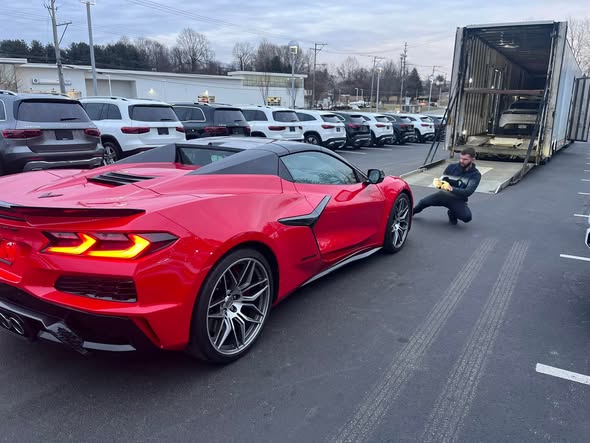
Texas continues to attract new residents from across the United States. With a strong job market, no state income tax, affordable housing in many areas, and rapidly growing cities, it’s no surprise that thousands of people relocate to the Lone Star State every year. Whether you’re moving for work, military orders, retirement, or simply a fresh start, one important question often comes up early in the planning process: Should I drive my car or have it shipped?
While driving may seem like the obvious choice, long-distance relocations involve more than just fuel costs. Hotels, meals, vehicle wear, lost time, and unpredictable weather all add to the expense. For many movers, professional auto transport becomes the simpler and more cost-effective solution.
Many customers researching Navi’s Texas car shipping services are surprised to learn how straightforward the process actually is. This guide explains exactly what shipping your car involves, how much it typically costs, and what you should expect before your move in 2026.
Why More People Are Moving to Texas
Texas remains one of the fastest-growing states in the country.
People relocate for reasons including:
- Career opportunities
- Military assignments
- Lower overall living costs
- Family relocation
- College enrollment
- Business expansion
- Retirement
Major destinations include:
- Dallas
- Houston
- Austin
- San Antonio
- Fort Worth
These cities are also among the busiest auto transport markets in the state.
Should You Drive or Ship?
The answer depends on distance, schedule, and budget.
Driving may work well for shorter moves, but cross-country relocations often involve:
- Several days behind the wheel
- Fuel expenses
- Hotel stays
- Meals
- Toll roads
- Vehicle depreciation
- Additional maintenance
Shipping allows you to fly directly to Texas while your vehicle travels with a professional carrier.
How Auto Transport Works
The process is simpler than many first-time customers expect.
A typical shipment includes:
- Request a shipping quote.
- Reserve your pickup window.
- Prepare the vehicle.
- Meet the carrier for pickup.
- The vehicle is transported to Texas.
- Complete a final inspection at delivery.
Most customers never need to visit a shipping terminal because door-to-door service is available in many locations.
What Does It Cost?
General planning estimates for 2026 include:
- Regional shipments into Texas: $600–$1,000
- Midwest to Texas: $800–$1,300
- East Coast to Texas: $1,000–$1,500
- West Coast to Texas: $900–$1,400
Pricing depends on:
- Pickup location
- Destination city
- Vehicle size
- Transport type
- Seasonal demand
- Fuel prices
Typical Transit Times
Delivery time varies according to distance.
General estimates include:
- Neighboring states: 2–4 days
- Midwest: 3–5 days
- East Coast: 4–6 days
- West Coast: 4–7 days
Pickup scheduling generally requires:
- 1–5 days, depending on carrier availability.
Open vs. Enclosed Transport
Most people moving to Texas choose open transport.
Open Transport
Ideal for:
- Daily drivers
- Family sedans
- SUVs
- Pickup trucks
Open carriers are the industry’s most popular and affordable option.
Enclosed Transport
Recommended for:
- Luxury vehicles
- Classic cars
- Collector automobiles
- Exotic sports cars
Enclosed shipping offers greater protection but typically costs around 50%–70% more than open transport.
Preparing Your Vehicle
Before pickup:
- Wash the exterior.
- Photograph every side.
- Record any existing scratches or dents.
- Remove personal belongings.
- Leave approximately one-quarter tank of fuel.
- Remove toll transponders.
- Check tire pressure.
- Charge the battery.
- Notify the carrier about any mechanical issues.
These steps help ensure a smooth inspection before and after transport.
Door-to-Door Delivery
Most carriers offer door-to-door service whenever possible.
However, if your destination has:
- Narrow streets
- Low-clearance bridges
- Gated communities
- Limited truck access
the driver may arrange a nearby meeting point.
This is common practice and helps ensure a safe delivery.
What Affects Your Quote?
Several variables influence the total price.
Vehicle Size
Larger vehicles generally cost more to transport.
Examples include:
- Full-size SUVs
- Pickup trucks
- Cargo vans
- Large electric vehicles
Compact sedans usually receive lower rates.
Pickup and Delivery Locations
Major cities generally offer the most competitive pricing.
Popular Texas destinations include:
- Houston
- Dallas
- Austin
- San Antonio
- Fort Worth
Remote rural areas may require additional carrier travel.
Time of Year
Demand increases during:
- Summer moving season
- Military PCS season
- College move-in periods
- Holiday relocations
Booking early often helps secure better pricing.
Common Mistakes to Avoid
Many first-time movers:
- Wait until the last minute to schedule transport.
- Choose the lowest quote without researching the company.
- Leave valuables inside the vehicle.
- Expect exact pickup appointments.
- Forget to inspect the vehicle before signing the delivery paperwork.
Planning ahead eliminates most of these issues.
Tips for a Smooth Move
To make your relocation easier:
- Book two to four weeks in advance.
- Stay flexible with pickup dates.
- Choose open transport unless enclosed service is necessary.
- Keep your phone available on pickup and delivery days.
- Prepare your vehicle well before the carrier arrives.
These simple steps can make the entire shipping process much more efficient.
Why Shipping Often Saves More Than Money
Professional auto transport isn’t only about reducing driving time.
It also helps you:
- Avoid adding hundreds or thousands of miles to your vehicle.
- Reduce travel fatigue.
- Focus on housing and moving logistics.
- Arrive in Texas faster by air.
- Start settling into your new home immediately.
For many families, that convenience is just as valuable as the financial savings.
Final Thoughts
Relocating to Texas involves countless moving parts, and your vehicle shouldn’t become another source of stress. Professional auto transport offers a reliable, efficient way to get your car to your new home while allowing you to focus on everything else your move requires.
By understanding how the shipping process works, booking early, preparing your vehicle properly, and choosing a trusted transport provider, you can simplify your relocation and enjoy a smooth arrival in the Lone Star State. Whether you’re headed to Houston, Dallas, Austin, San Antonio, or beyond, planning ahead is the key to a successful vehicle shipment.