
Have you ever been in a moment where you had to stop and think, “What’s really going on here?” Maybe plans suddenly changed. Maybe someone said something unclear. Or maybe you just needed to understand the full picture before making a move.
That simple idea is exactly where the Japanese word Jyokyo comes in. You may have seen this word online or heard it in videos, and wondered what it really means. At first, it looks like just another foreign word. But once you understand it, you’ll see it’s something very useful in daily life.
In this article, we will break down Jyokyo in the easiest way possible. You will learn what it means, how people use it in real life, and why it matters more than you think. By the end, you’ll feel comfortable using it yourself in simple situations.
What Is Jyokyo? (Simple Meaning)
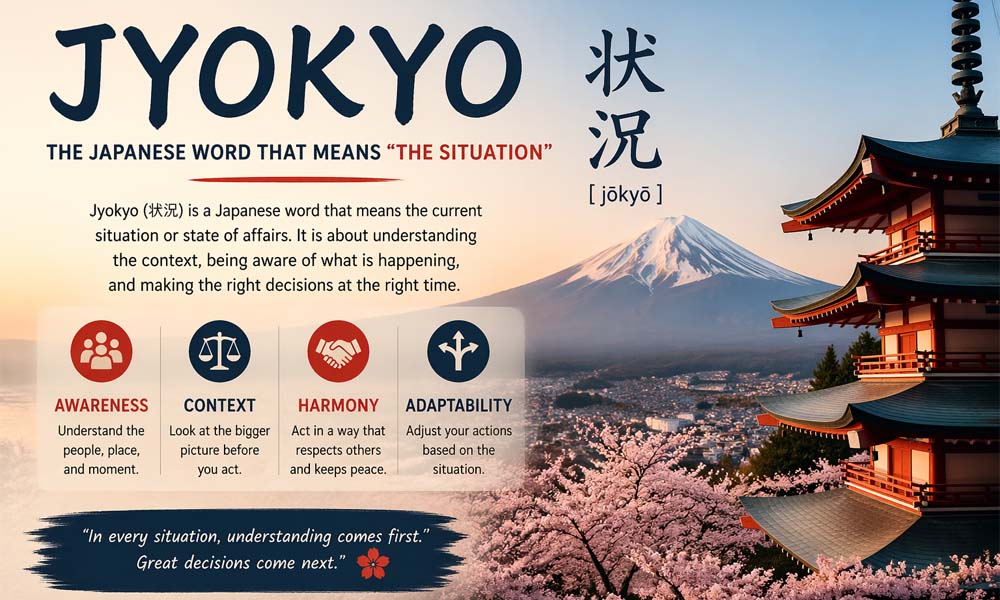
Let’s start with the basics. The word Jyokyo (状況) means “situation” or “current condition.” It is used when you want to talk about what is happening right now and what factors matter in that moment.
But here’s the important part. Jyokyo is not just about one small detail. It looks at the whole picture. It includes what is happening, why it is happening, and what should happen next. That’s why it is such a useful word.
For example, imagine you ordered something online and it is late. You might say, “Let me check the situation.” That means you want to see what is going on, not just guess. You are trying to understand the full story before reacting.
Jyokyo Meaning in Daily Life
In daily life, people use Jyokyo all the time. It is not a fancy word. It is very normal and practical. You can hear it in simple conversations between friends, coworkers, or even in family chats.
Think about this. Your friend is late to meet you. Instead of getting upset, you might say, “Let’s check the situation first.” Maybe there is traffic. Maybe something unexpected happened. This small change in thinking makes you calmer and more understanding.
At work, it is even more common. People say things like “Please confirm the situation” or “Can you share the current situation?” These are not dramatic sentences. They are calm and clear. They show that you want facts before making decisions.
Why Jyokyo Is More Than Just a Word
Now here is where it gets interesting. Jyokyo is not just a word. It is also a way of thinking.
When you use Jyokyo, you are choosing to understand before reacting. You are saying, “Let me see what is really going on first.” This helps you avoid mistakes and confusion.
For example, imagine you get a message that sounds a bit rude. If you react right away, you might create a problem. But if you think about the situation, maybe the person was busy or stressed. This is how Jyokyo helps you stay calm and smart.
In simple words, Jyokyo helps you:
-
Think clearly
-
Stay patient
-
Make better choices
Jyokyo in Japanese Culture (Harmony and Respect)
In Japan, Jyokyo is deeply connected to culture. People care a lot about harmony, which means keeping peace in groups. They try to avoid conflict and keep relationships smooth.
This is why understanding the situation is so important. Before speaking or acting, people think about the environment, the people around them, and the mood. They adjust their behavior to fit the situation.
For example, in a group dinner, people may wait for the oldest person to start eating. This shows respect and balance. It is not written as a strict rule, but everyone understands it through the situation.
So, Jyokyo is not just language. It is part of how people live and interact with each other every day.
How Jyokyo Helps You Communicate Better
Using Jyokyo can make your communication much better. It helps you sound more polite, more thoughtful, and more aware of others.
When you ask about the situation, you show respect. You are not making quick judgments. You are giving the other person space to explain. This makes conversations smoother and more comfortable.
For example, instead of saying, “Why is this late?” you can say, “Can you share the situation?” This small change feels softer and kinder. People respond better to it.
In both work and personal life, this skill is very powerful. It helps you avoid conflict and build stronger relationships.
Common Jyokyo Words and Phrases You Should Know
There are some common phrases with Jyokyo that you will see again and again. These are very useful, especially if you want to understand real Japanese or sound more natural.
Here are a few simple ones:
-
進行状況 (Shinko Jyokyo) = progress status
-
利用状況 (Riyo Jyokyo) = usage status
-
経済状況 (Keizai Jyokyo) = economic situation
-
現在の状況 (Genzai no Jyokyo) = current situation
-
状況によって (Jyokyo ni yotte) = depending on the situation
These phrases are used in everyday life. For example, “depending on the situation” is very common. It helps you stay flexible and open.
You can use it like this: “Depending on the situation, we will decide later.” This sounds calm and smart.
Easy Jyokyo Sentences You Can Use Today
If you want to start using Jyokyo, the best way is to learn a few simple sentences. These are easy and work in many situations.
Here are some examples:
-
“Let’s check the situation first.”
-
“Can you share the situation?”
-
“I want to understand the situation.”
-
“Depending on the situation, we will change plans.”
These sentences are simple, but very powerful. They make you sound clear and thoughtful.
You don’t need to sound perfect. Just use these lines in small moments. For example, when plans change or when something feels unclear. Over time, it will feel natural.
Jyokyo vs Other Similar Words (Easy Comparison)
Many people get confused between Jyokyo and other similar words. Let’s make it very simple.
-
Jyokyo = the full situation (big picture)
-
Jotai = the condition of something (like health or a machine)
-
Jijo = background reasons (why something happened)
-
Yosu = how something looks on the outside
Here is an easy way to remember:
If you want to talk about everything going on around something, use Jyokyo.
For example, if a project is delayed:
-
Jyokyo = the full situation of the delay
-
Jotai = the current state of the project
-
Jijo = the reason behind the delay
Even if you mix them up, people may still understand you. But using the right word makes your message clearer.
Where You Will Hear Jyokyo Most
By now, you understand the meaning of Jyokyo, but where do people actually use it the most? The truth is, you will hear it almost everywhere in Japan. It is a very common and useful word.
At work, Jyokyo is used all the time. People talk about project updates, delays, and next steps. For example, a manager might ask, “What is the current situation?” before making a decision. This helps the whole team stay clear and organized.
You will also hear it in schools and in the news. Teachers use it when talking about student progress or class changes. News reporters use it when explaining events, weather, or public issues. This shows how important Jyokyo is in sharing real, useful information.
Jyokyo in Online Searches and Trends
In 2026, people search for everything online. And interestingly, Jyokyo shows up in many search terms. People often use it to mean “status” or “what’s going on with this thing.”
For example, someone might search:
-
“avira jyokyo” to check antivirus status
-
“gopro フリッカー jyokyo” to understand a camera problem
-
“arerugen jyokyo tabemono” to check food allergens
In all these cases, the meaning is simple. People want to know the current condition of something. They want quick and clear answers.
This shows how flexible the word Jyokyo is. It can be used with apps, devices, food, or even daily problems. The idea stays the same: understand the situation first.
How to Use Jyokyo Without Sounding Rude
Sometimes, you want to ask about something, but you don’t want to sound rude. This is where Jyokyo really helps. It allows you to ask in a soft and polite way.
For example, instead of saying, “Tell me what happened,” you can say, “Can you share the situation?” This sounds much kinder. It shows that you are not blaming anyone.
You can also add soft phrases like:
-
“If possible…”
-
“When you have time…”
So your sentence becomes: “If possible, can you share the situation?”
This small change makes a big difference. It helps you sound respectful and easy to talk to.
Simple Ways to Practice Jyokyo Every Day
Learning Jyokyo is easy if you practice it in small ways. You don’t need to study hard. Just use it in simple daily moments.
For example, when your plans change, you can say, “Let’s check the situation.” If the weather looks bad, you can say, “Depending on the situation, we will go later.” These are normal, everyday uses.
You can also practice in your mind. When something happens, pause and ask yourself, “What is the situation here?” This helps you think clearly before acting.
Over time, this habit becomes natural. You start using Jyokyo without even thinking about it.
Why Jyokyo Matters in Today’s World
In today’s fast world, things change quickly. Plans shift. Problems appear. This is why understanding the situation is more important than ever.
Jyokyo helps you stay flexible. Instead of reacting quickly, you take a moment to understand what is really happening. This leads to better decisions and fewer mistakes.
It is also very useful in teamwork. When people understand the situation clearly, they work better together. There is less confusion and more trust.
Even in global communication, this idea is powerful. People from different cultures can connect better when they try to understand the full situation first.
Conclusion
So, what is the real value of Jyokyo?
It is simple. It helps you see the full picture before you act. It helps you stay calm, respectful, and clear in your communication.
This word may look small, but its impact is big. From daily life to work, from simple chats to big decisions, Jyokyo makes everything smoother.
If you remember one thing, remember this: 👉 Always check the situation first.
Once you start thinking this way, you will notice a big change in how you understand people and problems.
And that is why Jyokyo truly matters more than you think.
(FAQs)
What does Jyokyo mean in simple words?
Jyokyo means “the situation” or “current conditions.” It is used when you want to understand what is happening right now, including all the important details before making a decision.
Is Jyokyo used in everyday conversation?
Yes, Jyokyo is very common in daily life. People use it with friends, at work, in school, and even in casual chats when they want to check what’s going on.
Why is Jyokyo important in communication?
Jyokyo helps you understand before you react. This makes your communication calmer, clearer, and more respectful, which helps avoid confusion and conflict.
What is the difference between Jyokyo and Jotai?
Jyokyo means the full situation (big picture), while Jotai means the condition of something, like health or a machine. Jyokyo is wider, and Jotai is more specific.
Can Jyokyo be used in both formal and casual situations?
Yes, Jyokyo works in both formal and casual speech. The word stays the same, but your tone and sentence style change depending on who you are talking to.
What does “Jyokyo ni yotte” mean?
“Jyokyo ni yotte” means “depending on the situation.” It is often used when plans are flexible and may change based on conditions.
Why do people search terms like “avira jyokyo” or “gopro jyokyo”?
People use Jyokyo in searches to mean “status” or “current condition.” For example, they want to know the current state of an app, device, or issue.
Can I use Jyokyo when talking about personal situations?
Yes, you can use Jyokyo for personal topics, but you should use a soft and caring tone. This makes your question feel respectful and kind.
How can I start using Jyokyo in daily life?
You can start with simple sentences like:
-
“Let’s check the situation”
-
“Can you share the situation?”
-
“Depending on the situation, we will decide” Practice these in daily situations to feel more natural.
Why does Jyokyo matter so much today in 2026?
In today’s fast-changing world, things change quickly. Jyokyo helps you stay aware, flexible, and smart, so you can understand problems clearly and make better decisions.
You may also read: Witelovers: Why This Simple Trend Is Taking Over Online