
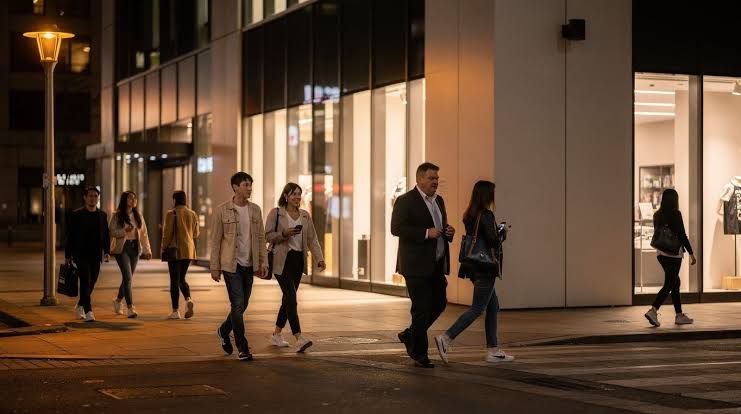
Manchester’s night-time economy is one of its defining features — Factory, the Northern Quarter’s bars, the AO Arena, Canal Street’s clubs, Co-op Live, a university population among the largest in Europe. All of that makes “safer nights out” a genuinely practical question for a very large number of people, not a niche concern. Here’s what actually helps.
Know the different pockets of the night
Manchester’s nightlife isn’t one place. The Northern Quarter and Deansgate Locks draw bar-hopping crowds into the early hours, Canal Street and the Gay Village have their own busy weekend scene, Oxford Road and the student suburbs of Fallowfield and Withington peak on different nights, and the streets around the arenas fill and empty in waves around showtimes. Each has its own rhythm of queues, crowding and transport, so a plan that works for a concert at Co-op Live won’t automatically suit a Friday bar crawl.
Plan the journey home before you plan the night out
The single most effective safety habit for a night out anywhere is deciding, before you leave the house, how you’re getting home and what your backup is if plans change — the group splits up, the last tram’s gone, you want to leave earlier than friends. Save a licensed taxi firm’s number, check the Metrolink and bus last-service times for your specific route (they vary by line, and some stop far earlier than people assume), and agree a backup meeting point with whoever you’re out with in case phones die or signal drops in a crowded venue.
Harassment and unwanted attention is a real and common concern, especially for women travelling or socialising alone
Surveys of UK nightlife repeatedly find that unwanted attention — being followed, touched, or persistently approached — is far more commonly reported by women than outright violent crime, and Manchester is no exception to that national pattern. Most central venues now participate in the “Ask for Angela” scheme: if you feel unsafe or unsure about a situation, go to the bar or any staff member and ask for “Angela” (or simply say you need help), and staff are trained to discreetly intervene or help you leave without alerting whoever you’re concerned about. Village Angels — Manchester’s dedicated welfare and outreach team, distinguishable by their uniforms, who patrol the Gay Village and wider city centre on weekend nights — are another resource worth knowing exists; they offer everything from directions and phone chargers to help getting home safely.
Drink spiking is worth taking seriously
Spiking — adding alcohol or drugs to a drink or, in some reported cases, injecting someone — is a recognised nightlife risk across the UK rather than a Manchester peculiarity. Keep your drink in sight and covered where you can, don’t accept drinks you haven’t seen poured, and stay with friends who know to check on you if you suddenly feel far drunker or more unwell than expected. If you suspect spiking, tell venue staff straight away, don’t go home alone, and call 999 or seek medical help; acting quickly gives police the best chance of establishing what happened.
Transport help points and discreet reporting
Metrolink platforms have CCTV-linked help points for emergencies or to report a concern in real time. British Transport Police can be contacted by text on 61016 for a non-urgent report at a station, which is useful if you want to flag harassment or suspicious behaviour without making a scene or calling 999. Licensed taxis in Greater Manchester display a council-issued plate and the driver’s licence badge; unlicensed minicabs — the ones that approach you on the street rather than being pre-booked — are a genuine, longstanding safety concern across every major UK city, Manchester included, and should be avoided in favour of a booked or licensed alternative.
Check your cab before you get in
In Greater Manchester, only licensed hackney carriages (black cabs) can be hailed on the street or picked up from a rank; private hire vehicles must be booked in advance. If you’ve booked through an app or a firm, check that the registration, the make of car and the driver’s photo match your booking, and ask the driver to confirm your name rather than volunteering it. If you’re travelling alone, send the journey details to a friend.
Demonstrations and large crowds
Manchester regularly hosts demonstrations, including pro-Palestinian marches and rallies, that can close roads, divert trams and buses and thicken crowds in the city centre, often at weekends. Greater Manchester Police described a busy city-centre afternoon of protests in February 2026 as having run safely, with 11 arrests — so the practical concern on a night out is disruption and crowding rather than personal danger. Check GMP and Transport for Greater Manchester updates before travelling, allow extra time, and have an alternative route home if a street is closed.
Event nights and arena exits
Big gigs and matches release thousands of people at once, and trams, taxi ranks and rideshare pick-up points all peak together. Agree a meeting point away from the main exit, consider leaving a few minutes early or walking a short distance to a quieter pick-up spot, and expect stewards, barriers and bag checks, which are now a normal part of security at major venues.
Phone snatching on the walk home
Phones are among the most commonly stolen items in UK city centres, and snatches by someone on a bike or e-bike have been reported in cities across the country. Keep your phone out of sight and away from the kerb side when walking late at night, and if you need to check directions, step into a shop doorway or a well-lit spot rather than doing it on the move.
Specific tips for solo nights out:
- Share your live location with a trusted contact for the evening — a low-effort habit that costs nothing and matters if your night doesn’t go to plan.
- Keep your phone charged; carry a portable charger if you’re out for a long night, since a dead phone removes your ability to call a cab, check transport times, or contact anyone.
- If a venue or street feels wrong, trust that instinct and leave — Manchester city centre has enough late-opening cafes, 24-hour venues and taxi ranks that you’re rarely far from a safer option.
- Avoid walking back through Piccadilly Gardens or quieter stretches of the Mancunian Way/ring road alone very late; stick to the main, lit routes even if marginally longer.
None of this should put anyone off a night out in Manchester — just give the journey home the same five minutes of planning you’d give the night itself.