
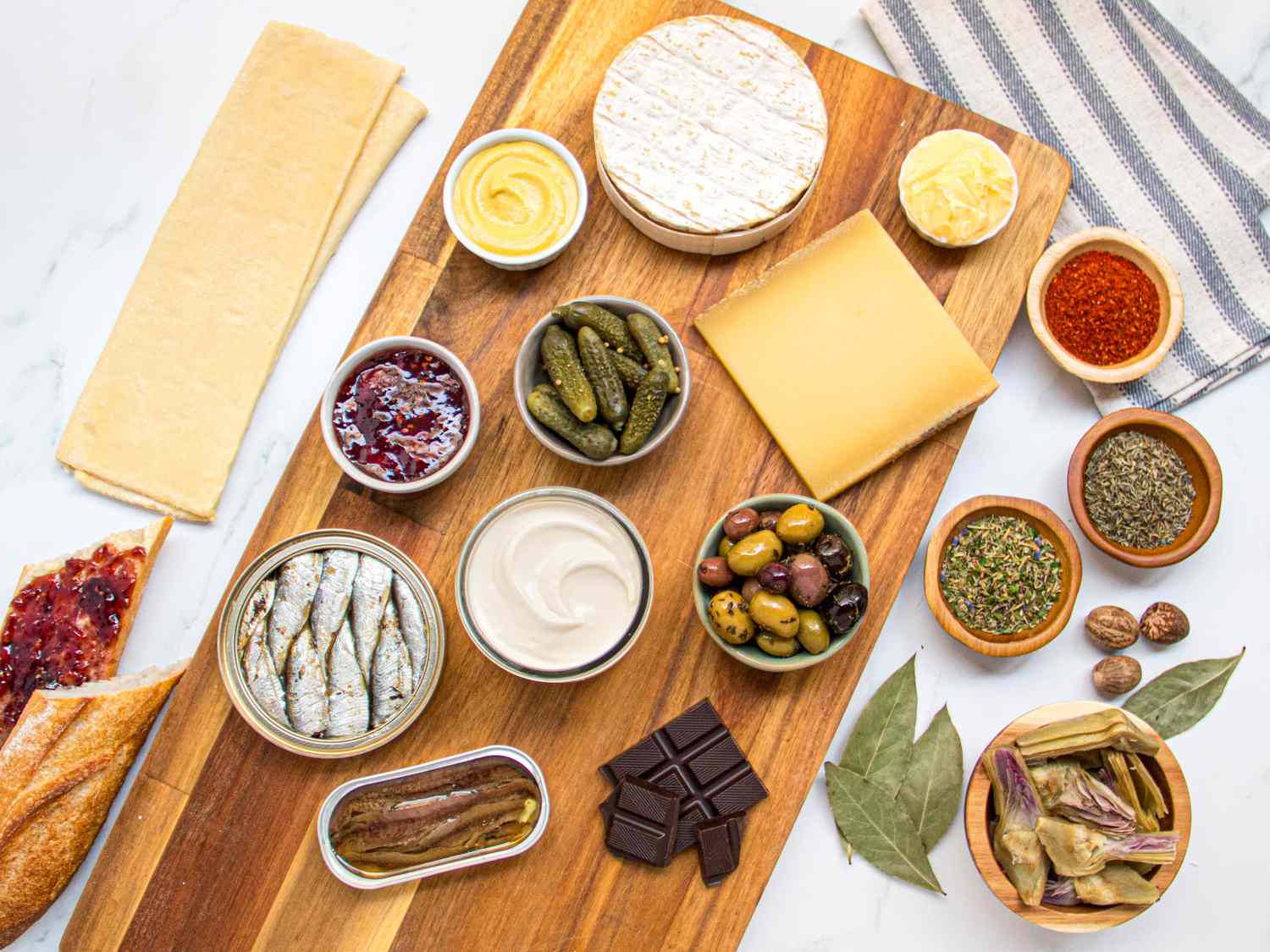
French food has a reputation for being elegant, technical, and sometimes intimidating. Many people imagine complicated sauces, long cooking times, and restaurant-style presentation. But everyday French eating is often much simpler. A great deal of French flavour comes from pantry staples: mustards, cornichons, lentils, preserved vegetables, biscuits, fruit preserves, soups, pâtés, sauces, and regional ready-made dishes.
For beginners, French pantry staples are a useful starting point because they do not require advanced cooking skills. They can be added to meals you already know, used to create quick lunches, or served as part of simple sharing boards. The goal is not to cook like a professional chef. It is to understand how a few well-chosen ingredients can make everyday food more interesting.
This guide explains how to use common French pantry staples in practical ways at home.
What Are French Pantry Staples?
French pantry staples are shelf-stable or long-life foods commonly used in French households or inspired by regional French cooking. They may include condiments, preserves, tinned foods, dry goods, biscuits, sauces, soups, and prepared dishes.
Examples include Dijon mustard, wholegrain mustard, cornichons, vinegar, lentils, beans, pâté, terrines, rillettes, fruit preserves, honey, butter biscuits, madeleines, fish soup, cassoulet, duck dishes, and ready-made sauces.
Some are everyday basics, while others feel more special. A jar of mustard might be used several times a week, while a terrine or preserved regional dish may be opened for a weekend lunch, picnic, or quick dinner. Collections of regional-style foods, including Reflets de France products, are often useful reference points for understanding the variety of French pantry cooking, from sweet preserves to savoury specialities.
Mustard: The Most Versatile French Staple
Mustard is one of the easiest French pantry staples to use. Dijon mustard is smooth, sharp, and strong, while wholegrain mustard has more texture and a milder, rounded flavour. Both can be used far beyond sandwiches.
A spoonful of mustard can transform a salad dressing. Mix it with vinegar, olive oil, salt, pepper, and a small amount of honey to make a simple vinaigrette. This works well with green salad, lentils, potatoes, roasted vegetables, or chicken.
Mustard is also useful in marinades. Combine it with oil, garlic, herbs, and lemon juice, then use it with chicken, pork, fish, or vegetables. It can also be stirred into cream or stock to make a quick sauce for meat or mushrooms.
For beginners, mustard is a low-risk ingredient because only a small amount is needed. Start with half a teaspoon, taste, and add more if needed.
Cornichons and Pickles: Small Ingredient, Big Impact
Cornichons are small French pickled cucumbers with a sharp, tangy flavour. They are often served with pâté, terrines, cold meats, cheese, or sandwiches. Their role is simple: they cut through richness.
If a meal feels heavy, salty, fatty, or creamy, cornichons can add balance. They work well with ham, cheese toasties, tuna salad, egg mayonnaise, potato salad, and charcuterie boards. Chopped cornichons can also be mixed into sauces, dressings, or sandwich fillings.
A beginner-friendly idea is to make a quick French-style lunch plate: bread, cheese, ham or pâté, cornichons, salad, and mustard. It takes little preparation but feels more complete than a basic sandwich.
Lentils and Beans: The Base for Simple Meals
French cooking uses lentils and beans in many comforting dishes. Green lentils, especially those from central France, are known for keeping their shape after cooking. They are useful in salads, soups, stews, and warm side dishes.
For a simple lentil salad, cook lentils until tender, then mix with mustard vinaigrette, chopped onion, parsley, carrots, and a little olive oil. It can be eaten warm or cold and works as a side dish or light lunch.
Tinned or jarred beans can also be useful pantry items. They can be added to soups, tomato sauces, sausage dishes, vegetable stews, or baked dishes. White beans are especially associated with hearty French-style dishes such as cassoulet.
These staples are practical because they add protein, fibre, and substance. They help turn small ingredients into full meals.
Pâtés, Terrines, and Rillettes: How to Serve Them Simply
Pâtés, terrines, and rillettes can seem unfamiliar to beginners, but they are easy to serve. Pâté is usually smooth or semi-smooth, terrine is often firmer and sliced, and rillettes are shredded or spreadable. They are commonly served with bread, toast, crackers, mustard, cornichons, and salad.
The simplest way to use them is as part of a starter or light meal. Add sliced baguette, pickles, salad leaves, and a little mustard. You do not need to cook anything. This makes them useful for picnics, weekend lunches, or entertaining guests without much preparation.
They can also be used in sandwiches. A thin layer of pâté with cornichons and salad can create a more flavourful alternative to regular cold meat.
Because these foods can be rich, portion size matters. Serve them with fresh, acidic, or crunchy sides to create balance.
French Fruit Preserves and Jams
French jams and fruit preserves are not only for toast. They can be used with yoghurt, porridge, pancakes, waffles, crêpes, pastries, and desserts. They also pair well with cheese, especially soft cheeses and stronger varieties.
Apricot preserve can be used as a glaze for fruit tarts or cakes. Fig or cherry preserve can be served with cheese. Raspberry or strawberry jam can be spooned into yoghurt or used in sponge cakes. Orange marmalade can work in sauces, marinades, or baking.
A beginner-friendly breakfast idea is plain yoghurt with a spoonful of fruit preserve, crushed biscuits, and nuts. It feels more special than regular yoghurt but takes less than a minute to prepare.
French Biscuits and Sweet Pantry Foods
French biscuits, madeleines, butter cookies, wafers, and small cakes are useful for simple desserts and snacks. They can be served with tea or coffee, added to lunchboxes, or used to build quick desserts.
For example, butter biscuits can be crushed and layered with yoghurt and fruit preserve to make a simple dessert glass. Madeleines can be served with coffee or dipped into melted chocolate. Plain biscuits can also be used as bases for cheesecakes or no-bake desserts.
These products are useful because they are easy to keep in the cupboard and serve when needed. They make entertaining easier because you can offer something sweet without baking from scratch.
A UK online grocery store EuropaFoodXB offers a wide selection of French pantry staples, from mustards and cornichons to preserves, biscuits, pâtés, sauces, and regional-style products. For beginners exploring French cooking, it can be a convenient place to find ingredients that help bring simple French flavours into everyday meals.
Sauces, Soups, and Ready-Made Dishes
French pantry shelves often include sauces, soups, and preserved meals that can be used as shortcuts. A jarred sauce can be served with chicken, fish, vegetables, rice, or potatoes. A preserved soup can become a quick lunch with bread and cheese. A ready-made regional dish can become dinner when paired with salad or vegetables.
The key is to treat these items as meal components rather than complete solutions. For example, a rich bean dish becomes more balanced with a green salad. A creamy sauce feels fresher with steamed vegetables. A soup becomes more filling with toast, grated cheese, or cooked lentils.
This approach helps beginners enjoy French flavours without needing to prepare every element from scratch.
How to Build a Beginner French Pantry
If you are starting from zero, you do not need to buy everything at once. Begin with a small set of versatile items:
- Dijon mustard
- wholegrain mustard
- cornichons
- lentils or beans
- one fruit preserve
- one packet of biscuits
- one pâté, terrine, or spread
- one soup, sauce, or ready-made dish
With these items, you can make salads, sandwiches, quick lunches, cheese boards, breakfasts, and easy dinners. Over time, you can add more regional products depending on your taste.
Easy Meal Ideas Using French Pantry Staples
A mustard potato salad is a simple place to start. Boil potatoes, slice them while warm, and mix with mustard vinaigrette, parsley, and onions. Serve with eggs, fish, chicken, or green salad.
For a quick lunch, make tartines with bread, pâté, cornichons, and salad leaves. Add fruit afterwards for freshness.
For breakfast, serve yoghurt with fruit preserve and crushed butter biscuits. It is simple but feels more thoughtful than plain yoghurt.
For dinner, pair a ready-made bean dish or stew with roasted vegetables and crusty bread. This keeps preparation easy while still creating a proper meal.
Storage Tips
Most French pantry staples should be stored in a cool, dry cupboard before opening. Once opened, many jars, sauces, preserves, and pâtés need refrigeration. Always check the label because storage times vary.
Use clean spoons when serving jams, mustard, and preserves to avoid contamination. Keep biscuits in airtight containers after opening so they stay crisp. Tinned and jarred foods should be used before their best-before dates for the best flavour and texture.
Final Thoughts
French pantry staples are useful because they make everyday meals easier, not harder. A jar of mustard can improve a salad dressing. Cornichons can balance a rich sandwich. Lentils can become lunch. Fruit preserves can improve breakfast. Biscuits can turn into a quick dessert.
For beginners, the best approach is to start small and use these ingredients with foods you already enjoy. French cooking does not always need to be complex. Sometimes, it is simply about having the right pantry staples ready when you need them.