
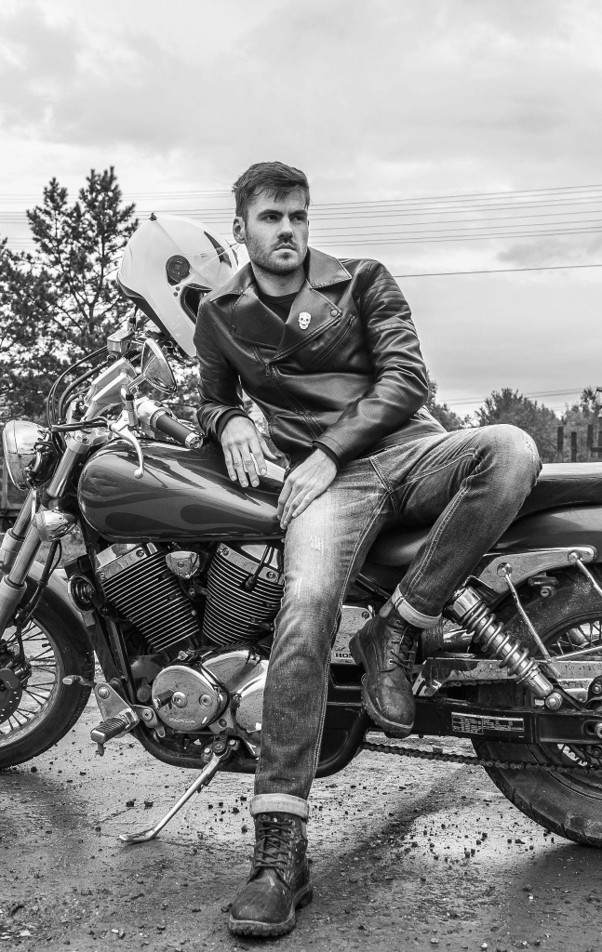
Your Jacket Is Your First Line of Defense
A good motorcycle jacket is the one piece of gear you will wear on every single ride. It keeps you warm, blocks the wind, and protects your skin if you ever hit the pavement.
Yet many riders buy the first jacket that looks cool, then regret it after one season. The zipper fails, the armor slides around, or the fit feels wrong on the bike.
This guide walks you through exactly what to look for, so you can buy once and ride with confidence for years.
Leather or Textile: Which Should You Buy?
Pick leather if you want the toughest abrasion resistance and a jacket that gets better with age. Pick textile if you ride in rain, heat, or mixed weather and want easy care.
| Feature | Leather jacket | Textile jacket |
| Abrasion resistance | Excellent, especially cowhide | Good, best with reinforced panels |
| Weather protection | Wind-proof, needs treatment for rain | Often waterproof with liners |
| Summer comfort | Warm unless perforated | Mesh options stay cool |
| Lifespan | 10+ years with basic care | Usually 3 to 6 years |
| Look | Classic, timeless | Sporty, technical |
| Care | Clean and condition a few times a year | Machine or hand wash |
Our take: for most street riders, a quality leather jacket is the better long-term value. It costs more upfront but often outlasts two or three textile jackets.
Pick the Style That Matches How You Ride
The right style depends on your bike and your riding position, not just on looks.
| Style | Best for | What to expect |
| Cafe racer | Naked bikes, city riding | Slim fit, short cut, minimal collar, clean lines |
| Cruiser / biker | Harleys and cruisers | Relaxed fit, longer back, lapels, classic heavy leather |
| Sport / racing | Sport bikes, track days | Pre-curved arms, aggressive fit, hump-ready back, sliders |
| Touring | Long distance riding | Roomy cut, vents, removable liner, plenty of pockets |
| Bomber / vintage | Casual riders who want off-bike style | Ribbed cuffs, warm, looks great at the cafe too |
If you split time between commuting and weekend rides, a cafe racer or touring jacket is usually the most versatile choice.
6 Safety Features to Check Before You Buy
A jacket that only looks the part will not help you in a slide. Check these six things on any jacket before you pay.
- CE-rated armor. Look for CE Level 1 or Level 2 armor at the shoulders and elbows. Level 2 absorbs more impact. A back protector pocket is a big bonus.
- Leather thickness. Aim for 1.1 mm to 1.4 mm. Thinner leather is fashion leather, not riding leather.
- Real leather type. Full-grain or top-grain cowhide gives the best protection. Goatskin and buffalo are lighter but still strong. Avoid “genuine leather” labels with no further detail.
- Double or triple stitching. Seams in crash zones should be stitched more than once, ideally with strong nylon thread.
- Quality zippers. Branded, heavy-duty zippers (YKK or similar) last far longer and will not split open on the road.
- Visibility. Reflective piping or panels help drivers see you at night, especially on black jackets.
If a seller cannot tell you the armor rating or leather thickness, treat that as a warning sign.
How to Get the Fit Right
A leather moto jacket should feel snug when you stand and comfortable when you sit on the bike. If it is loose, the armor will not stay where it needs to be in a fall.
Use this quick fit test:
- Chest: you can zip it fully over a light layer without the leather pulling tight.
- Sleeves: in riding position, cuffs still cover your wrists and overlap your gloves.
- Back: the hem covers your lower back when you lean forward.
- Shoulders and elbows: armor sits right on the joint, not above or below it.
- Arms: you can reach the handlebars without the jacket pinching your shoulders.
Measure your chest, waist, and arm length before you order online. Leather also softens and molds to your body over the first few weeks, so a slightly firm fit at first is normal.
Can’t find your size off the rack? Many leather makers offer custom or made-to-measure jackets, which is worth it if you have broad shoulders, long arms, or a tall frame.
How Much Should You Spend?
You do not need to spend a fortune, but the cheapest jacket is rarely the safest. Here is roughly what each budget gets you.
| Budget (USD, approx.) | What you typically get |
| Under $150 | Thin leather or basic textile, foam pads instead of real armor |
| $150 to $350 | The sweet spot: 1.2 mm+ cowhide, CE armor, solid zippers, good stitching |
| $350 to $700 | Premium hides, Level 2 armor, perforation, better fit options |
| $700+ | Big-brand pricing, race suits, fully custom pieces |
The best value often comes from brands that make their own jackets, because you skip the extra markup of middlemen while still getting premium leather.
Your Quick Buying Checklist
Before you click “Add to Cart”, run through this list:
- Full-grain or top-grain leather, 1.1 mm or thicker
- CE-rated armor at shoulders and elbows, plus a back protector pocket
- Double-stitched seams and heavy-duty zippers
- A style that suits your bike and riding position
- Clear size chart, or a custom-fit option
- Easy returns or exchanges if the fit is off
- Real customer reviews and photos
Where to Buy a Motorcycle Jacket That Lasts
Buy from a maker that controls its own production, lists its materials openly, and stands behind its sizing.
Narson Leather is one example. It crafts motorcycle leather jackets in-house from premium cowhide, with CE armor and riding-ready cuts in cafe racer, biker, and racing styles. Because the jackets come straight from the workshop, riders get premium build quality without big-brand pricing, and custom sizing is available for a better fit.
Ready to upgrade your riding gear? Shop motorcycle leather jackets at Narson Leather and find the jacket that keeps you protected, comfortable, and looking sharp on every ride.
Frequently Asked Questions
Is a leather motorcycle jacket worth it? Yes, for most riders. Quality leather offers top abrasion resistance and can last over a decade, so the cost per year is often lower than cheaper jackets.
Can I wear a regular leather jacket for riding? It is better than nothing, but fashion jackets use thin leather, single stitching, and no armor. A purpose-built riding jacket is far safer.
Should a motorcycle jacket be tight or loose? Snug, not tight. It should hold the armor in place but still let you move freely in your riding position.
How do I care for a leather riding jacket? Wipe it clean after dusty or wet rides, let it air dry away from heat, and apply leather conditioner every few months.
Are leather jackets good in summer? Choose a perforated leather jacket. The small holes let air flow through while keeping most of the protection.