
School classrooms are among the most consistently occupied indoor spaces in any community. Dozens of students cycle through shared desks, chairs, and floors every day. Surfaces collect debris, allergens, and pathogens in ways that manual cleaning schedules often cannot keep pace with, especially in schools where custodial staff are stretched thin across large buildings with tight turnaround windows between sessions.
The challenge is not simply one of effort or intent. Traditional cleaning methods rely on human consistency, and consistency is difficult to maintain across every room, every day, when competing priorities exist. A missed section of flooring or an overlooked corner may seem minor, but in a room with thirty children sharing close quarters for hours at a time, the cumulative effect of incomplete sanitation becomes a real health and operational concern.
Automated cleaning technology has moved from industrial and commercial settings into educational environments, and for practical reasons. Robotic systems offer a predictable, repeatable approach to floor maintenance and disinfection that removes human variability from the equation. Understanding how to structure a program around this technology is what separates a successful implementation from an underused equipment purchase.
What Vacuum Robot Disinfection Actually Means in a School Context
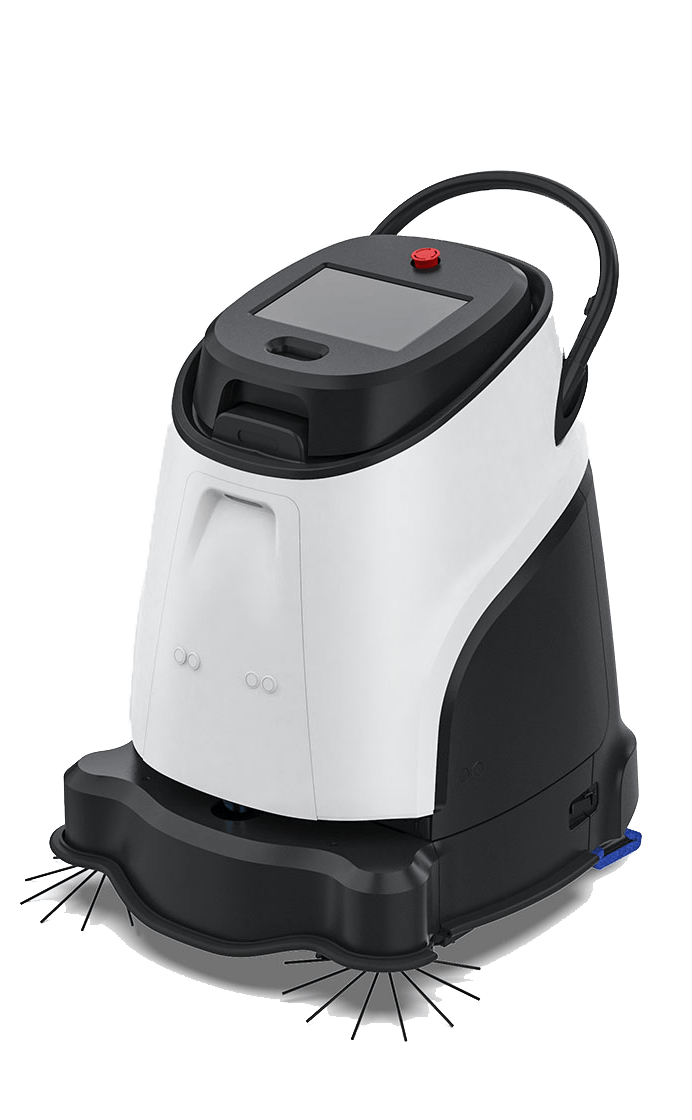
A vacuum robot for school classroom disinfection is not simply a floor-cleaning device. When applied within a structured program, it functions as a consistent first-line response to the daily accumulation of particulates, tracked-in contaminants, and surface-level pathogens that gather on classroom floors between and after school hours. The distinction matters because the way the technology is deployed determines whether it delivers measurable hygiene outcomes or simply adds a piece of equipment to the custodial inventory.
In educational settings, disinfection is a layered process. Floors represent one of the highest-contact surfaces in a classroom, particularly in lower grade levels where children sit, kneel, and interact directly with the floor surface. Robotic systems that combine vacuuming with UV-C disinfection or sanitizing solution application address both the physical debris layer and the microbial layer in a single automated cycle. This is meaningfully different from a standard consumer robot vacuum, and the distinction should inform procurement and program design decisions from the outset.
For a practical overview of how this technology is being applied in educational environments, the service approach behind vacuum robot for school classroom disinfection reflects how structured deployment differs from ad-hoc equipment use. The program design, scheduling logic, and integration with existing custodial workflows are what determine actual effectiveness.
Why Floors Are the Priority Surface
Floors in classrooms receive contamination from multiple vectors simultaneously. Shoes bring in material from outdoor environments, including pollen, soil, and microbial content. Food debris from snacks or lunches creates organic material that supports bacterial growth. Shared activity zones, particularly in early childhood classrooms, mean floors are contact surfaces in ways they are not in office or retail settings.
Concentrating automated disinfection efforts on floors as the primary surface makes operational sense. It allows a robotic program to be built around a defined, consistent task with clear coverage parameters, rather than attempting to automate every surface type in a single system. As programs mature and staff become comfortable with the technology, scope can expand, but beginning with floors keeps implementation manageable and measurable.
Building the Program Structure Before Deploying Equipment
One of the more common implementation failures in institutional cleaning programs is deploying equipment before the operational framework is ready to support it. A vacuum robot, regardless of its technical capabilities, performs to the level of the program surrounding it. That program needs to define scheduling, accountability, maintenance responsibility, and performance verification before a single cycle runs.
Program structure should begin with a facility audit. This means mapping classroom dimensions, identifying furniture layouts that may create navigation challenges, noting entry points where contamination concentrates, and understanding the existing custodial schedule that the robotic system will work alongside, not replace. The goal is to identify where automated disinfection adds the most value with the least operational disruption.
Establishing a Deployment Schedule That Aligns With School Operations
Timing is one of the most important variables in a school-based disinfection program. Robots should operate during predictable low-occupancy windows, which in most schools means after the final bell, during extended lunch periods, or on weekends. Running cycles while classrooms are occupied introduces safety, noise, and workflow concerns that undermine both the program and staff confidence in the technology.
The schedule should be treated as a fixed operational commitment, not a flexible one. Inconsistent deployment is the fastest way to erode the reliability advantage that automation is supposed to provide. When cycles run only when someone remembers to initiate them, the program essentially reverts to the same consistency problem it was designed to solve.
Automated scheduling through the device’s management software, where available, removes this dependency on individual action.
Assigning Accountability Within the Custodial Team
Robotic cleaning systems require human oversight, even when they operate autonomously. Someone on the custodial or facilities team needs to be responsible for charging the unit, clearing obstacles before scheduled cycles, performing basic maintenance such as emptying collection bins and cleaning sensors, and flagging performance issues. Without a named accountability structure, these responsibilities fall through the gaps.
This does not require significant additional labor. In most implementations, daily oversight takes under ten minutes. What it does require is clear assignment and basic training. Staff who understand what the system is designed to do and why it matters are more likely to maintain it consistently than staff who view it as an unexplained addition to their workload.
Integrating Robotic Disinfection With Manual Cleaning Processes
Automated disinfection does not eliminate the need for manual cleaning. What it does is shift where manual effort is most needed. When floors are handled reliably by a robotic system, custodial staff can direct their time toward high-touch surfaces such as desks, door handles, light switches, and shared equipment, areas where manual attention produces the most hygiene benefit and where automation is currently less practical.
This kind of task division improves overall cleaning quality without increasing labor hours. It also creates a more sustainable workload for custodial teams, many of whom are managing more square footage per person than staffing models from previous decades assumed. The robotic system becomes a force-multiplier for the existing team rather than a technology in competition with their role.
Coordinating With Teachers and Classroom Staff
Teachers and classroom aides interact with their spaces in ways that directly affect how well a robotic disinfection program functions. Chairs left in irregular positions, bags placed on the floor near walls, or extension cords running across pathways can all interrupt a robot’s navigation cycle or reduce its coverage area. This is not a criticism of classroom habits but a practical consideration that requires communication.
A brief orientation for classroom staff explaining what the robot requires from the physical environment before each cycle can significantly improve program performance. This does not need to be elaborate. A short checklist of floor-clearing tasks before end of day, shared during a staff meeting or via a posted reference card, is typically sufficient. The goal is to make the robot’s operating conditions predictable so that its outputs are predictable as well.
Measuring Whether the Program Is Working
Any cleaning program, automated or manual, should include a way to assess whether it is achieving its intended outcomes. For a vacuum robot disinfection program in schools, this means tracking more than whether the machine ran. It means evaluating floor cleanliness consistency, reviewing any incident patterns related to illness or absences that may indicate hygiene gaps, and periodically auditing whether scheduled cycles are completing without interruption.
Some robotic systems generate run logs that show cycle completion, coverage percentages, and interruption events. Where this data is available, it should be reviewed at least monthly by whoever holds accountability for the program. According to guidance from the National Institute for Occupational Safety and Health, environmental cleanliness in shared indoor spaces has a measurable connection to respiratory health outcomes, which provides a practical framework for understanding what consistent floor disinfection is protecting against over time.
Adjusting the Program Based on What You Observe
Program implementation is not a one-time event. A vacuum robot disinfection program for classrooms will require adjustment in its first few months as staff learn the system’s behavior, identify navigation patterns that miss certain areas, and understand which classrooms present more complexity than others. Building in a formal review at the thirty-day and ninety-day marks allows the program to improve based on observed performance rather than assumptions. Adjustments might include changing the cycle start time to better align with custodial workflows, repositioning docking stations for more efficient deployment, or modifying furniture arrangements in specific rooms to improve coverage. These are low-cost changes that produce measurable improvements in program consistency.
Closing Considerations for School Administrators and Facilities Managers
Implementing a vacuum robot disinfection program in a school classroom environment is, at its core, a process design challenge as much as a technology decision. The equipment enables consistent, repeatable floor disinfection. The program structure, scheduling, accountability, and integration with existing cleaning practices determine whether that capability translates into a real improvement in classroom hygiene.
Schools that approach this thoughtfully, beginning with a facility audit, building a structured deployment schedule, training the custodial team with clear accountability, and establishing a
simple review process, are the ones that see sustained results. Schools that purchase the equipment without the surrounding framework tend to find the robots underused within a few months, which serves neither the investment nor the students and staff who were supposed to benefit from it.
The technology is reliable when the conditions around it are reliable. That is the core principle that should guide every decision in building this kind of program. Start with the structure, deploy with clear expectations, and treat the first cycle not as the end of implementation but as the beginning of an ongoing operational commitment.