
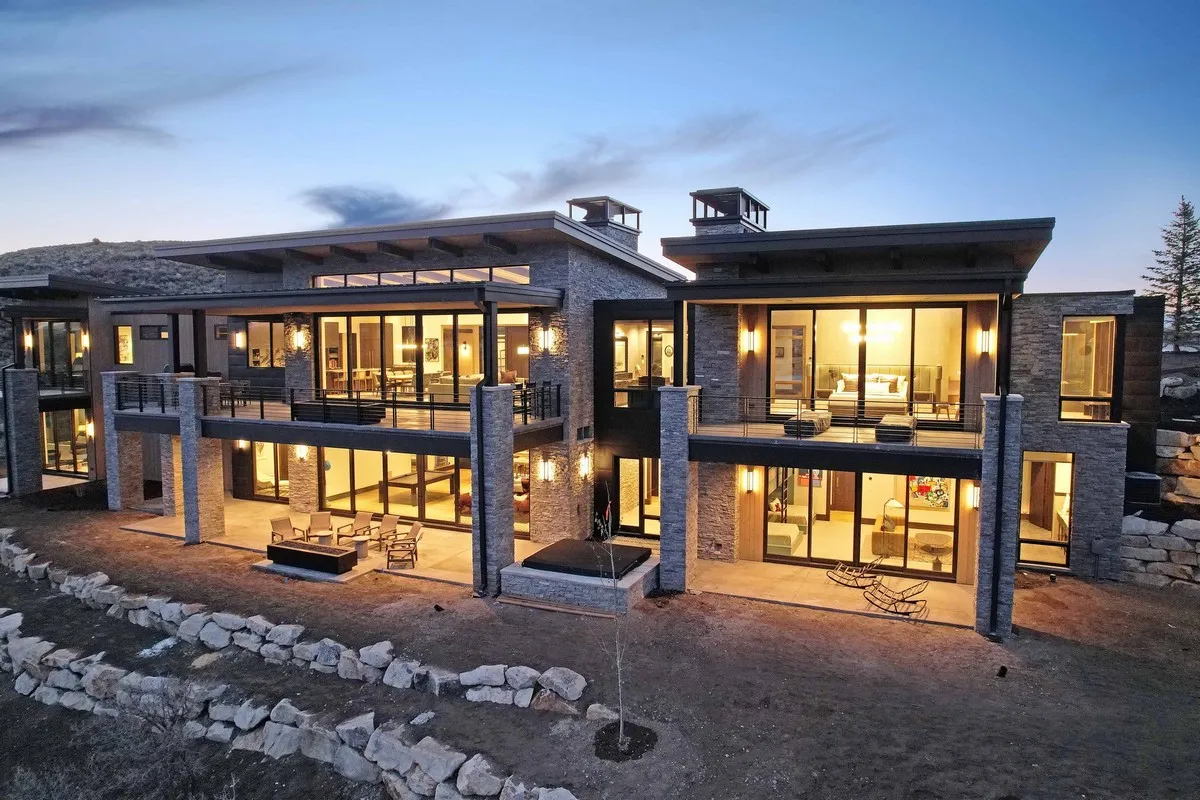
A Custom Home is One of the Largest Single Investments You’ll Make. Treat the Selection of Your Builder with the Same Respect and Diligence that You Would with any other Large Investment. Choosing a builder for your custom home is not like choosing paint for a production home. The difference between an excellent custom home builder and a marginal general contractor could cost you thousands of dollars and add months to the completion of your dream home.
Finding builders for your custom home is typically an easy task in today’s markets; finding the right builder with the necessary skills, adequate resources, and an acceptable past performance history can be a completely different story.
Verify Credentials and Experience
There is a minimum criteria that any builder should have before even being considered for construction of your home. A builders license, current general liability insurance and current workers compensation insurance are the basics.
As a homeowner, it is very important to note the builders past experience with homes similar to your dream home. A builder with 20 years of building tract homes may not be the right builder to design and build your custom home. Look for a builder that has recent experience building homes of similar style, size and design. A builders portfolio is a great place to start. Review the pictures of their past projects. If you are looking for a modern style home with exposed timber framing and custom millwork, then look for pictures of homes in the builders portfolio that feature these characteristics.
Look up the builder’s rating with the Better Business Bureau and with local licensing board(s). Review the online reviews for the builder but look for patterns in both good and bad comments. EVERY builder is going to have some complaints but then again they will also have many positive comments as well. It’s how a builder responds to problems or complaints when they occur that really matters! So look at the way a builder responds to negative comments whether it’s from past client or potential client as well as from city or state licensing board(s). Also don’t be afraid to call up the Better Business Bureau as well as local licensing board(s) and ask for any complaints that the builder may have. Also ask for any information regarding past complaints that the builder may have and how the builder resolved those complaints.
Get references from recent customers. It doesn’t do you much good to get a reference from someone who had their house built 5 years ago. For all you know, the builder’s been out of business for 3 years. Ask recent customers about their builder’s communication style. How did the customer get updates on the home’s progress? How was the customer notified of problems that arose during construction of the home? How did the builder handle the problems that arose during construction of the home? Chances are that problems will arise during the construction of your home. The real question is, how your builder handles problems that arise during the construction of your home.
Evaluate Communication and Project Management
Of course, no matter how well you plan and design your home, there are going to be problems that crop up along the way. And that is why communication is the most important factor when it comes to picking a builder. If you are unable to get a builder to explain to you the processes involved in building a home, then how are you going to know if the builder is doing things right? It’s very important to pick a builder who is a very good listener and is able to pay close attention to all of the details and features that you want to include in your home. This is especially true for people who are building custom homes, because the builder is not going to be building a typical model home. They will be building a home that is specifically designed and built for you. And because of that, the builder is going to want to make sure that they are building the type of home that you want. They are not going to try to sell you on a home that is typical for their style of building. They will want to make sure that every feature and detail of the home is exactly what you are looking for.
Get a step by step walk through of how the builder intends to build your home from start to finish including getting the necessary permits, building, finishing and getting the final inspection from the local building department. This will also give you insight into how they intend to manage change orders, how they intend to keep you updated on the progress of your home, and how they intend to coordinate the work of all of the subcontractors required to complete your home.
Ask the builder how many homes they are currently building and when they can start your home. A builder with too many homes under construction will not have enough time to devote to your home. A builder with no homes under construction may be laying off his employees.
Also take a good hard look at how a builder is operating his business, from the technology used to manage projects, organize and communicate with the team and clients. A builder with a good organized company will be able to provide you with a project schedule and budget that you are able to view online anytime. They will also be able to send you photos of the current progress on a regular basis. The builder that is using scattered phone calls and paper will not be as organized and could end up in problems down the road.
Examine Contract Terms and Pricing Structure
The contract between you and your builder is a very important document that spells out the terms and details of your home. A fixed price contract is the most commonly used contract among builders. This contract usually includes a very large safety margin to ensure that the builder will be on the safe side of any cost overruns. A cost plus contract will provide more transparency of the actual cost of the construction of your home. However, it will require more of a builder’s customer in terms of oversight. When it comes to your home, it is very important to understand the contract that your builder is offering before signing.
If you are paying as the work is completed then the payment schedule outlined in your contract should follow this too. Even with the best builder it is wise to ask about the overall cost of the work and the terms of your payment for this work. Is it to be a fixed price contract or a cost plus contract. Even a fixed price contract can have excessive safety margin included in the builder’s profit. A cost plus contract can start off cheaply but cost an arm and a leg as the work is completed if you are not constantly monitoring the progress of the work.
Pay special attention to the change order process within the contract. It is typical for a custom home to have several changes in work. The way in which changes in work are handled can add up quickly to the cost of the home. Be sure to require written authorization for changes in work prior to the extra work beginning.
Assess Financial Stability
Reviewing a Builder’s financial health can expose them to same level of scrutiny that a surety company uses to qualify a Builder to receive a bond. Even the best Builder can go bad financially at times, and the last thing you want is a Builder’s financial downfall to potentially leave you liable for the completion of your home.
Low bids for a home can indicate that the builder is not very good at figuring out the costs for a home. Or they may just be trying to get paid a lot of money upfront. In any case, a low bid can end up to be bad for you and your home. Whether you’re looking for a custom home builder in Ohio or elsewhere, it’s important to be wary of bids that seem too good to be true.
Trust Your Gut
After going through the credentials and contract for any potential builder, there are so many things to consider. One of the biggest things is if you could tolerate working with the individual for the 12 months or so it would take to complete a new custom home. Can you tolerate calling them from time to time to get an update on where you are in the process of completing your new home? Have their previous clients in the past enjoyed their time while their new home was being completed by the builder under consideration? These are just a few things to consider when searching for your builder for your custom home.
While these are characteristics to look for in a builder, but a good builder also needs to have the necessary skills to build a quality custom home. The best builder for your project is one who has the skills to build your custom home, has the adequate resources to complete your project, and can complete the work in a reliable fashion.