
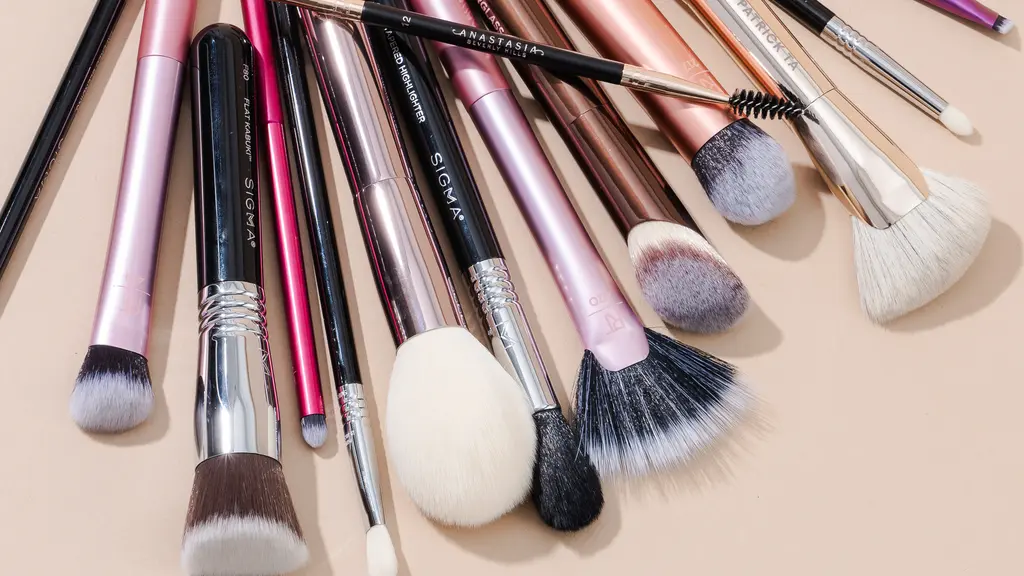
Walking into a beauty store for the first time is genuinely a lot. The sheer number of brushes on display — fluffy domes, angled tips, flat tops, tapered points — all promising the same flawless finish can make it nearly impossible to know where to start. When you browse beauty essentials online or in person, the options multiply even further and the decision gets harder, not easier. The truth is, you only need five brushes to handle almost any everyday look, and knowing which five makes all the difference.
The Foundation Buffer: Your Base, Done Right
A dense, flat-topped buffing brush is the first tool worth investing in, and it will immediately change how your foundation looks on the skin. The tightly packed bristles distribute product evenly without leaving streaks, which is the main problem people run into when they try to apply foundation with their fingers or a thin, floppy brush.
The best technique is to dot your foundation across your forehead, cheeks, nose, and chin before you start blending. From there, use short circular buffing motions and work outward toward your hairline so that the most coverage stays in the center of the face where redness tends to live. This same brush also handles cream blush and bronzer, so it pulls double duty without taking up extra space in your kit.
The Fluffy Powder Brush: The Step Most Beginners Skip
Setting your base with powder is what separates a look that lasts all day from one that slides off by noon. A large, soft, domed powder brush is the tool for the job — you want something airy enough to deposit a light, even layer rather than pressing powder onto the skin in patches.
Always tap off the excess before the brush touches your face. Then sweep it lightly over the areas that tend to get oily fastest: forehead, nose, and chin. Because this brush is so generously sized, it also works well for sweeping a soft bronzer along the cheekbones and jawline, giving you a warm, natural glow without any hard lines to blend out afterward.
The Tapered Blending Brush: One Brush, Endless Eye Looks
If there is only one eyeshadow brush you pick up, make it a fluffy, tapered blending brush. Flat packing brushes deposit too much color in one spot and make blending a real struggle, which is exactly the frustrating experience that convinces a lot of beginners that eyeshadow is too hard. A tapered brush diffuses color as you apply it, so harsh edges are far less likely to appear in the first place.
Load it with a neutral transition shade and work it into the crease using back-and-forth windshield wiper motions. It defines the eye shape without requiring any technical skill. Once you have cleaned it off, that same tapered tip can dust a little powder highlighter down the bridge of your nose or across the top of your cheekbones for a subtle, lit-from-within effect.
The Angled Detail Brush: Brows and Liner Without the Frustration
Brow products and eyeliner are two of the trickiest parts of a beginner’s routine, and a thin, slightly stiff angled brush makes both significantly more manageable. The angle gives you control over exactly where the product lands, which is what separates a sharp, intentional line from a smudgy mess.
For brows, work with a powder or pomade and use short, feathery strokes that mimic the natural direction of hair growth. For eyeliner, pressing dark eyeshadow along the upper lash line with this brush creates a soft, smoky effect that is far more forgiving than liquid liner for someone still building their hand steadiness. According to the American Academy of Dermatology, using the right applicator for each product makes a measurable difference in both the finish and how long makeup stays in place. Many brands now make excellent cruelty free makeup brushes in this exact shape that hold their form and stiffness through regular use and washing.
The Pointed Concealer Brush: Targeted Coverage Where You Need It
Fingers work fine for patting concealer under your eyes in a general sense, but they cannot get into the inner corner of the eye where the deepest shadows tend to pool. A small, slightly tapered concealer brush solves that problem immediately. It lets you place product exactly where you need it and blend outward from there without dragging it across areas that do not need coverage.
The same brush handles spot-concealing blemishes, cleaning up any eyeshadow fallout along the lower lash line, and pressing a small amount of shimmer into the inner corners of the eyes to make them look more open and awake. It is one of the most precise tools in a beginner’s kit and earns its place every single time.
What to Look For When You Shop
Brush quality matters more than brush quantity. Synthetic bristles have come a long way in recent years and now perform just as well as natural hair options across almost every application, according to Healthline. They are also easier to clean, which is important for skin health since dirty brushes are one of the more common causes of breakouts in people who wear makeup regularly.
When you are ready to browse beauty essentials and narrow down your options, look for brushes with a firm ferrule — the metal band that connects the bristles to the handle — since that is where cheaper brushes tend to fall apart first. A brush that sheds constantly is frustrating and ends up costing more in replacements than a quality set would have up front.
The Bottom Line
Five well-chosen brushes will take you further than twenty mediocre ones, and once you know how each tool works, your routine gets faster and the results get more consistent. Start with these five, learn them well, and add to your collection only when you have a specific reason to — not because the display at the store made it seem necessary.