
Every business, regardless of size or industry, handles information it cannot afford to lose. Customer records, financial details, contracts, and internal documents move across networks, devices, and cloud platforms every day, often without anyone noticing how exposed that data really is. A single misdirected email, an unencrypted USB drive, or an employee uploading a file to the wrong cloud folder can turn into a costly incident.
This is where data loss prevention software comes in. It gives organizations a structured way to monitor, control, and protect the information that keeps their operations running, without relying on guesswork or after the fact damage control.
This article explains what DLP software is, how it works, and why businesses of all kinds are adopting it as part of their broader security strategy.
What Is Data Loss Prevention Software and How Does It Work
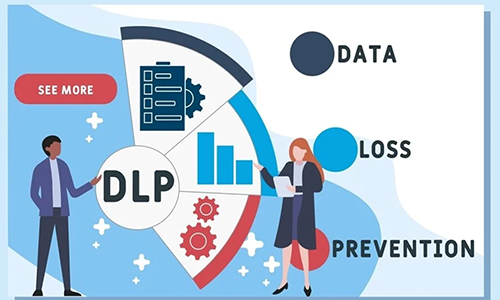
Data loss prevention refers to a category of tools and practices designed to identify sensitive information and stop it from being shared, copied, or transferred without authorization.
DLP software typically works by scanning files and data flows for patterns that match sensitive categories, such as credit card numbers, health records, or confidential keywords, then applying policies that flag, restrict, or block risky actions.
Depending on the product, this scanning can happen on individual devices, across a company network, in email systems, or within cloud storage platforms. Once sensitive data is identified, the software can apply rules that limit how it moves, whether that means blocking an upload, requiring approval, or simply logging the event for later review.
DLP vs Employee Monitoring: What Sets Them Apart
It is worth clarifying that DLP software and general employee monitoring are not the same thing, even though the two are often used together. Employee monitoring tools typically focus on productivity, attendance, or general activity tracking, such as recording screen time or application usage.
DLP tools, on the other hand, are purpose built around data itself, watching how sensitive files are accessed, transferred, or shared. When combined, monitoring can provide the broader context of user behavior, while DLP supplies the targeted controls needed to stop specific data from leaving the organization improperly. Used together, these tools give security teams both visibility and enforcement, rather than one without the other.
Key Features to Look For in a DLP Solution
Capabilities vary widely from one DLP product to another, so it helps to understand the common building blocks. Most solutions include some combination of the following features:
- Sensitive data detection, which scans documents and communications for information matching predefined categories or patterns
- File transfer monitoring, which tracks how files move across email, messaging apps, cloud services, and internal networks
- USB device controls, which restrict or log the use of removable storage to prevent unauthorized copying
- Policy based alerts, which notify administrators when an action violates a defined rule
- Incident reports, which document what happened, when, and by whom, supporting later investigation
- Blocking of unauthorized actions, which can stop a risky transfer or upload before it completes
Not every product offers all of these features, and the depth of each capability can differ significantly, so businesses should evaluate tools against their specific needs rather than assuming a one size fits all approach.
How DLP Strengthens Data Protection for Sensitive Information
Strong data protection practices depend on knowing where sensitive information lives and how it moves. DLP software supports this by giving organizations visibility into customer records, financial information, intellectual property, and confidential business documents as they are created, stored, and shared.
For example, a company handling payment data can configure policies that flag any attempt to email unencrypted card numbers outside the organization. A firm holding proprietary designs or source code can restrict copying those files to removable media.
By applying consistent rules across these categories, businesses reduce the chances that valuable or regulated information ends up somewhere it should not be, whether through carelessness or intent.
Benefits for Employers and Employees
DLP software offers advantages on both sides of the workplace relationship. For employers, it means clearer data handling rules, fewer accidental mistakes, faster investigation when an incident does occur, and better overall visibility into security risks.
For employees, well implemented DLP can actually reduce stress, since clear policies and automated safeguards make it less likely that an honest mistake, like sending a file to the wrong recipient, turns into a serious problem.
When rules are transparent and consistently applied, staff generally understand what is expected of them, which supports a healthier working environment rather than a purely restrictive one.
DLP in Action Across Industries
The way DLP is applied often depends on the industry. In finance, firms use DLP to protect account details and prevent regulatory violations tied to customer data. In healthcare, DLP helps safeguard patient records and supports compliance with privacy regulations governing medical information.
Professional services firms, including legal and consulting practices, rely on DLP to protect client confidentiality and contractual documents. Distributed and remote teams, which often work across personal devices and home networks, use DLP to maintain consistent data handling standards even when employees are not physically in an office.
One example of a vendor operating in this space is KeepActive, which combines DLP capabilities with broader activity monitoring. According to its published features, KeepActive offers tools for detecting and controlling sensitive file transfers, USB usage, and unauthorized sharing, alongside visual reports and activity analytics that help security teams investigate risky behavior.
This combination of DLP controls and monitoring data is intended to give businesses a clearer picture of how information is actually being used, supporting more informed security decisions. As with any vendor, businesses should confirm current features directly with the provider before making a purchasing decision, since capabilities and plans can change over time.
Responsible Implementation and Compliance Considerations
Deploying DLP software responsibly requires more than just installing a tool. Businesses should be transparent with employees about what is being monitored and why, applying proportionate rules rather than excessive surveillance.
Access to collected data should be restricted to those who genuinely need it, and organizations should set reasonable retention limits rather than keeping records indefinitely.
It is also important to understand that applicable labor and data protection laws vary by jurisdiction, and software alone does not guarantee legal compliance. Consulting with legal counsel or a compliance specialist is a sensible step before rolling out any monitoring or DLP program.
Choosing and Implementing the Right Solution
Organizations considering DLP software should start by identifying what sensitive data actually exists within the business, since protection efforts work best when they are targeted.
From there, it helps to assess deployment needs, such as whether coverage is required for cloud services, endpoints, or both. Testing policies in a limited environment before a full rollout can prevent disruption, and training employees on new procedures builds understanding and reduces resistance.
Finally, reviewing false positives regularly helps fine tune policies over time, so the system becomes more accurate rather than generating alert fatigue.
Looking Ahead: Trends Shaping DLP
The DLP landscape continues to evolve. Many vendors are exploring AI assisted analysis to help identify unusual patterns of behavior more efficiently, and there is growing interest in privacy focused reporting that limits unnecessary exposure of personal details during investigations.
These developments are still emerging, and businesses should treat them as directions to watch rather than settled outcomes, since the pace and shape of change will likely vary by provider.
Conclusion
Protecting sensitive information is no longer optional for businesses of any size. Data loss prevention software gives organizations a practical way to detect sensitive data, monitor how it moves, and stop unauthorized sharing before it causes harm.
When paired with responsible policies around transparency, proportionate monitoring, and legal compliance, DLP becomes more than a technical safeguard. It becomes part of a broader culture of accountability, one that protects customer trust, business assets, and employees alike.