
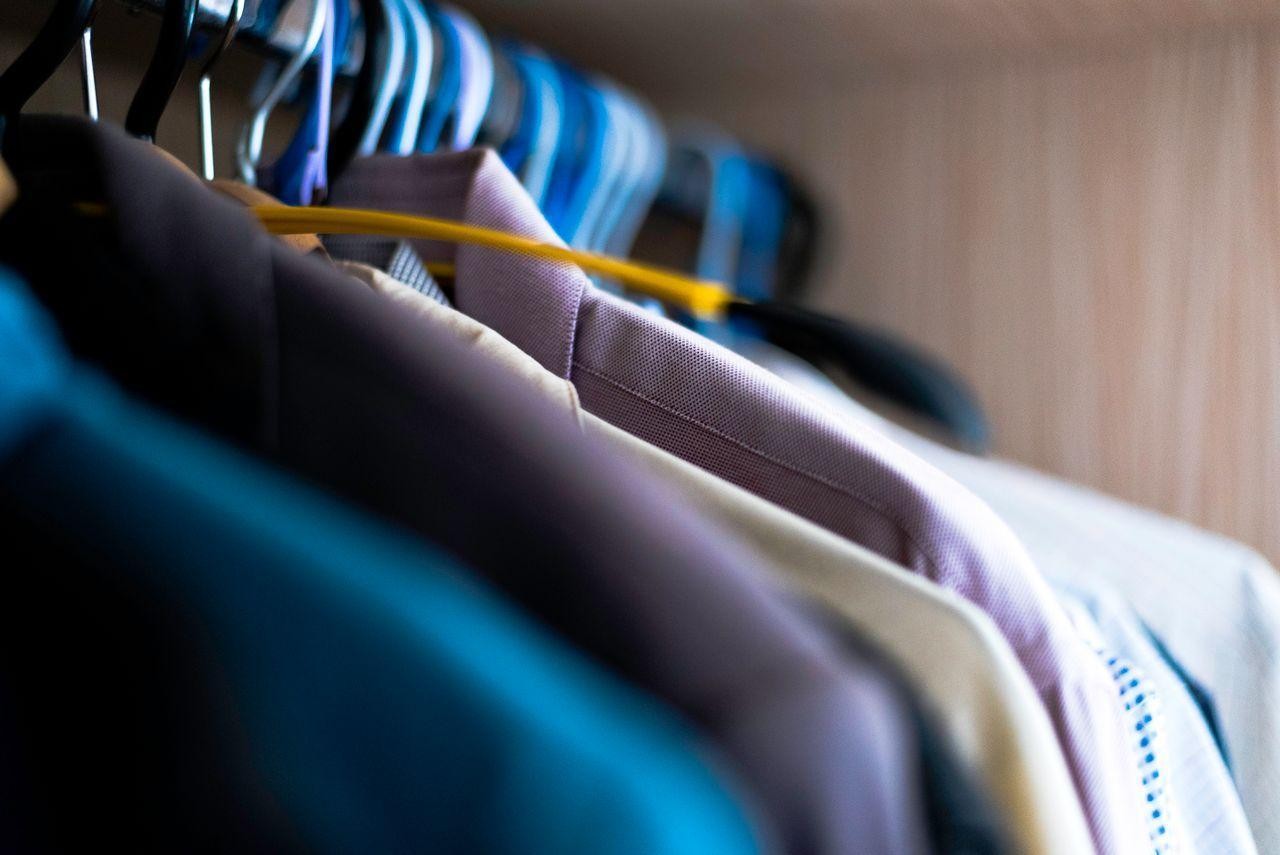
You can live in clean clothes. Spot cleaning, lint rollers, and pressing can remove noticeable defects, but fabrics are constantly exposed to perspiration, skin oils, dust, food particles, pet hair, and other pollutants. In worn or airless garments, they might sink further into the threads. Cleaning clothes fixes stains, wrinkles, and more. Need special fabric care? Clean clothes using steam. Internal steam purifiers clean clothes. This method works particularly well for rarely cleaned jackets, coats, structural items, and fragile materials. Careful storing, steaming, and cleaning keep clothes fresh between washes.
Clean Is Not Always Fresh
Visible cleanliness is one thing. A clean jacket could smell like cooking after dinner. Particles can gather on commuter jumpers without making them look dirty. Normal clothes soak in moisture and body oils. Residue can build up in clothing drawers and closets. Wear, brush and air garments. Skip a full wash and instead spot-clean and steam for extra care. How often depends on the care label and the cloth.
Frequent Washing Can Wear Clothes Out
Not everything in your wardrobe needs frequent washing. Multiple washings and drying can destroy wool, stiff jackets, and sensitive textiles. Slow fading and fibre damage can result from overwashing, even in sturdy fabrics. Changing clothes between deep cleans is sensible. Air, spot, or steam cleaning can preserve items until laundering or professional cleaning.
Fabric Fibres Hold More Than Visible
Moisture, odours, dust, and debris can be allowed to remain in the small spaces that exist between the threads of a fabric. When surfaces are clean, surface particles may be removed. Garment construction has an impact on how easy it is to clean. To a greater extent than lightweight shirts, it is possible that fabrics, layered clothing, cuffs, collars, and seams will require more attention. Fabrics are revitalised and creases are reduced when steam is applied. As heat and moisture can cause damage to finishes and textiles, it is important to read the care labels.
Storage Is a Part of Garment Hygiene
Even clothes that have just been washed can go bad if they are not stored properly. Dust may stink up garments in a small closet. Air-dry goods before storing. Declutter closets, drawers, and luggage. Heavy garments like gowns and coats may need cleaning and air-drying before wearing again.
Match the Cleaning Method to the Garment
The best garment hygiene practice depends on the garment and its level of soiling. For heavy soiling, wash. Light wear can be refreshed by airing, and marks can be removed by spot cleaning. Brushing removes loose particles, while steam can refresh compatible materials without requiring a full wash cycle. Depending on the condition of the clothes, a few techniques can keep garments comfortable and presentable without over-cleaning. It also encourages people to consider the specific needs of different fabrics, rather than treating all garments the same.
Not Just Surface Treatment of Fabric
We must go beyond appearance to clean our clothes. Daily wear leaves textiles damp, with odours, particles, and residues, even when there are no visible stains. Cleaning, airing, storing, spot treating, and steaming can meet more garment needs. To keep garments fresh and avoid damage to durable textiles, household members learn proper maintenance, not just surface cleaning.