
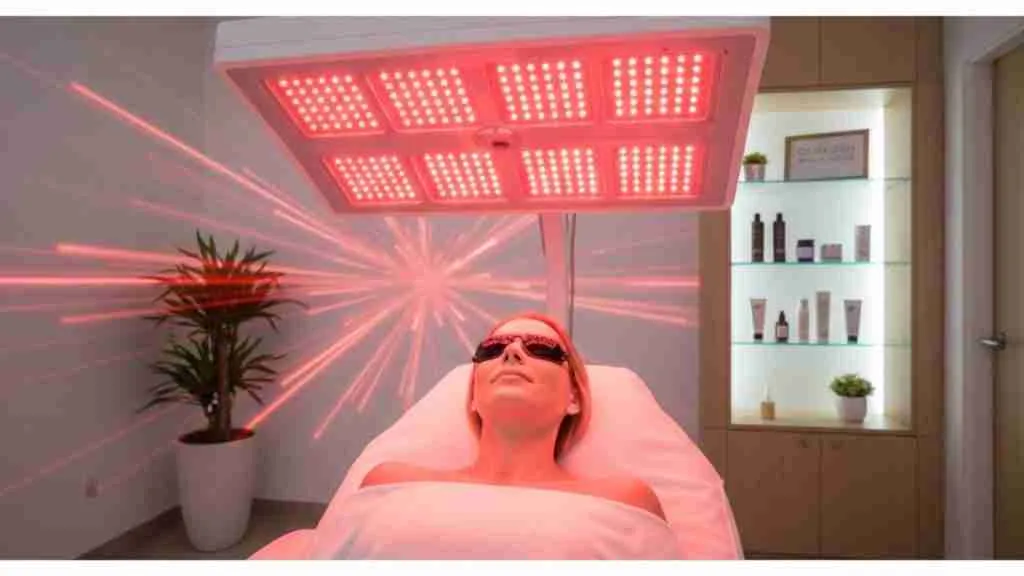
The human body possesses a remarkable inherent capacity to heal injured tissues, yet severe trauma, chronic strain, and age-related biological slowing can delay complete recovery. Traditional approaches often focused solely on symptom management through medication or invasive surgical interventions. Today, modern physical medicine emphasizes therapies that directly activate cellular regeneration, encourage localized blood circulation, and accelerate natural biological repair mechanisms.
Photobiomodulation and Light-Based Cellular Activation
Light-based technologies utilize targeted wavelengths to interact directly with deep cellular structures, providing energy needed to jumpstart stalled healing processes.
Red and Near-Infrared Light Mechanisms
Photobiomodulation uses red and near-infrared light wavelengths to penetrate skin and underlying soft tissues. When these precise light waves reach cellular mitochondria, they stimulate cytochrome c oxidase, an enzyme essential for cellular energy production. This interaction accelerates adenosine triphosphate synthesis, providing cells with increased fuel to repair damaged fibers, synthesize collagen, and clear metabolic waste products efficiently.
Clinical Applications for Soft Tissue
Light therapy is non-invasive and widely applied to manage acute muscle strains, joint inflammation, and superficial wound healing. Regular exposure reduces systemic oxidative stress and helps decrease tissue inflammation without systemic side effects. Its subtle mechanical stimulation supports microvascular expansion, creating a favorable local environment for long-term cellular regeneration.
Acoustic and Mechanical Stimulation
Mechanical energy therapies transmit physical force through superficial layers into underlying connective tissues, disrupting chronic scar matrix structures and signaling cellular repair.
Acoustic Wave Propagation in Deep Tissues
High-energy sound waves traveling into dense connective tissue create microtrauma that prompts a renewed localized healing response. This physical stimulation triggers dynamic signaling cascades that promote angiogenesis, the formation of new blood vessels, which restores crucial oxygen supply to oxygen-starved tissues. Individuals dealing with stubborn tendinopathies or plantar fasciitis often turn to non-invasive interventions like shockwave therapy in Pleasant Grove to break down calcifications, reduce localized pain signals, and initiate rapid functional recovery.
Breaking Down Scar Tissue and Adhesions
When tissues heal poorly, disorganized collagen forms dense scar tissue that restricts natural movement and fluid circulation. Target acoustic impulses disrupt these tight fibrous adhesions, encouraging the body to re-lay structural collagen in an organized, functional pattern. Improved tissue elasticity allows muscles and tendons to glide smoothly, preventing recurring re-injury during physical exertion.
Biological and Autologous Therapies
Autologous regenerative therapies harness the patient’s own biological materials, concentrating critical growth factors and cellular components to accelerate complex tissue repair.
Platelet-Rich Plasma Protocols
Platelet-rich plasma therapy involves extracting a small sample of a patient’s blood, processing it in a centrifuge to isolate concentrated platelets, and reinjecting the liquid into injured tendons, ligaments, or joint spaces. Platelets release signaling proteins, including transforming growth factor and vascular endothelial growth factor, which recruit repair cells directly to damaged target sites. This biological surge accelerates repair in poorly vascularized tissues that traditionally heal slowly.
Cellular Concentrates and Advanced Biologics
Beyond isolated platelets, expanded biological therapies utilize bone marrow aspirates or adipose-derived cellular concentrates. These autologous preparations contain specialized progenitor cells capable of supporting tissue reconstruction in degenerated joint environments. By introducing these biological catalysts directly to damaged sites, clinical specialists provide structural and chemical frameworks necessary for cartilage, muscle, and ligament reconstruction.
Integrating Modern Modalities into Recovery Plans
While advanced regenerative therapies provide biological catalysts for healing, optimal outcomes depend on structured, multi-faceted treatment plans. Combining cellular stimulation with targeted exercise, proper hydration, and structured physical loading ensures that newly formed tissue adapts to daily physical demands. Consulting qualified medical specialists helps determine which combination of regenerative modalities aligns best with specific structural injuries, ensuring a safe, efficient, and lasting path to physical recovery.