
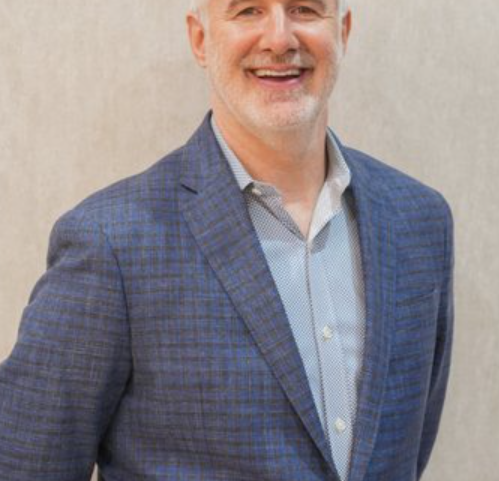
When we picture a brilliant surgeon, we usually imagine a pair of steady hands under bright operating room lights, moving with clinical perfection. We think of sharp scalpels, cutting-edge technology, and years of intense medical training. However, the most critical tool a surgeon uses actually comes into play long before the patient ever puts on a hospital gown. True surgical excellence relies heavily on how well a doctor can tune into a patient during a consultation. As a respected leader in the medical community, Larry Davidson MD believes that the secret to successful procedures starts with authentic, patient-centered communication. By prioritizing the human connection, doctors can drastically reduce errors and build the trust necessary for true healing.
The Gap Between Hearing and Understanding
In a fast-paced medical world, it is incredibly easy for consultations to feel like a checklist. A doctor walks in, looks at a chart, asks a few standard questions, and quickly schedules a procedure. But simply hearing a patient list their symptoms is completely different from actually understanding their unique situation. Active listening requires a surgeon to give their undivided attention, read between the lines, and notice the subtle anxieties a patient might hesitate to voice.
When surgeons slow down and truly focus on the person sitting across from them, the entire dynamic shifts. Patients are not just a collection of symptoms or an interesting X-ray. They are individuals with fears, lifestyles, and specific goals for their recovery. Missing a small detail because of a rushed conversation can change the entire trajectory of a recovery plan.
Uncovering the Hidden Details
Many patients feel intimidated when they walk into a specialist’s office. They might forget to mention certain lifestyle habits, or they might downplay their pain because they are nervous. An active listener knows how to create a comfortable space where people feel safe opening up. By asking open-ended questions and pausing long enough for the patient to answer fully, a surgeon can uncover vital pieces of the puzzle.
For instance, a patient might casually mention that they live alone in a house with three flights of stairs. That single piece of information, uncovered through patient conversation, completely changes how a surgeon plans for the post-operative recovery phase. It might influence the choice of a specific surgical approach or change the timeline for physical therapy. These details do not show up on an MRI, but they matter immensely for the final result.
Building Trust to Reduce Anxiety
Surgeries are terrifying for most people. The fear of the unknown can cause immense stress, which can physically affect how the body recovers. When Larry Davidson sits down with a patient, the focus shifts to creating a partnership. When a patient feels genuinely heard, their stress levels drop significantly. They feel like an active participant in their own healthcare journey rather than a passive bystander.
This trust also leads to better compliance after the operation. A patient who trusts their surgeon is much more likely to do the following:
- Feel welcome to speak up if something feels wrong during recovery
- Make it a point to follow all strict post-operative instructions (from meds to diet)
- Be present for all follow-up appointments
That open line of communication is a massive safety net that prevents minor complications from turning into major emergencies.
Better Alignment on Expectations
One of the biggest causes of dissatisfaction after a procedure is a misalignment of expectations. A surgeon might consider an operation an absolute success from a technical standpoint, but if the patient expected to return to running marathons within a month, they will feel disappointed.
Active listening allows the medical team to manage these expectations early on. By listening to what the patient hopes to achieve, the surgeon can provide a realistic view of the journey ahead. This provides a sense of calm by ensuring that everyone is on the same page before anyone ever sets foot in the operating room.
Minimizing Mistakes Through Clear Dialogue
Miscommunication is one of the leading causes of preventable errors in the healthcare industry. When a clinical team fails to establish a clear line of communication with a patient, critical information easily slips through the cracks.
Active listening acts as a natural diagnostic filter. It allows the surgeon to verify information, double-check history, and clarify any confusing medical jargon for the patient. This extra layer of clarity ensures that the entire care team behaves with complete accuracy from the initial meeting to the discharge date.
Final Word
Ultimately, surgical success is measured by the patient’s long-term well-being and satisfaction. While technical skill in the operating room is non-negotiable, the ability to connect on a human level through attentive communication elevates standard care to exceptional care. By embracing this approach, Larry Davidson MD demonstrates that the best surgeons do not just operate with their hands; they lead with their ears and their hearts to ensure the absolute best outcomes.
