
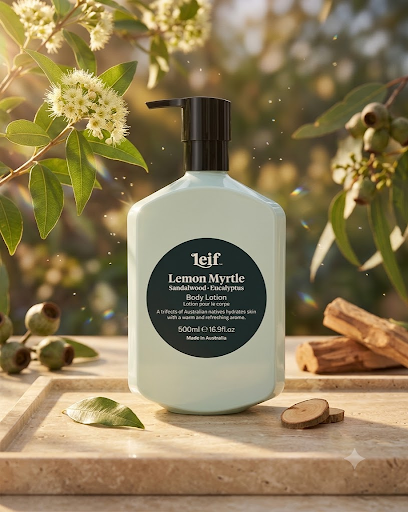
In the realm of skincare, few products are as essential as the body moisturiser. These have long been recognised as pivotal in maintaining hydrated and healthy skin. This guide will explore the myriad benefits of body moisturisers, their ingredients, and the best practices for application to ensure optimal results.
Understanding the Importance of Skin Hydration
Skin hydration is fundamental to overall skin health. A well-hydrated skin barrier prevents dryness, flaking, and discomfort while also enhancing its protective qualities against environmental stressors. By regularly using a body moisturiser, individuals can maintain the integral function of their skin, keeping it smooth and resilient.
The Benefits of Body Moisturisers
A quality body moisturiser does more than simply hydrate the skin. It can soothe irritation, improve texture, and provide a protective barrier against the elements. Regular application can help mitigate the effects of aging, ensuring the skin remains supple and youthful for longer periods.
Key Ingredients to Look For
The effectiveness of a body moisturiser typically hinges on its ingredients. Common hydrating components include hyaluronic acid, glycerin, and urea, each renowned for their ability to attract and retain moisture. Additionally, natural oils such as jojoba, almond, and coconut oil are celebrated for their nourishing properties.
The Role of Hyaluronic Acid
Hyaluronic acid holds a unique ability to retain moisture significantly more than its weight in water, making it a staple in most hydrating formulations. Its presence in body moisturisers ensures that the skin remains plump and hydrated.
The Power of Natural Oils
Natural oils offer excellent emollient properties, softening the skin and trapping moisture. They provide essential nutrients that aid in the skin’s natural repair process.
Types of Body Moisturisers
There is a diverse range of body moisturisers available, tailored to specific skin needs. Lightweight lotions are ideal for everyday use, while richer creams and body butters are perfect for dry or mature skin types. Selecting the appropriate product for your skin type can drastically improve results.
Best Practices for Body Moisturiser Application
The timing and method of application can influence the effectiveness of a body moisturiser. It is advisable to apply moisturiser immediately after showering when the skin is most receptive to locking in moisture. Ensure even coverage over the skin with gentle, circular motions to enhance absorption.
Common Misconceptions
One prevalent misconception is that oily skin does not require moisturisation. In reality, all skin types benefit from hydration, as it helps regulate natural oil production and prevents overcompensation by the sebaceous glands.
Integrating Body Moisturisers into Your Routine
Incorporating a quality body moisturiser into your daily skincare routine is simple yet profoundly beneficial. Consistency is key, as regular use ensures sustained hydration and protection against environmental damage.
Choosing the Right Moisturiser for Seasonal Changes
Skin’s hydration needs may vary with the seasons. In colder months, thicker emollients might be necessary to prevent dryness, while lighter formulations may suffice during warmer periods. Adjusting your body moisturiser accordingly can maintain skin health year-round.
The Future of Body Moisturisers
The evolution of body moisturisers continues to progress with advancements in skincare formulations. New trends focus on sustainable ingredients and innovative delivery systems that improve skin absorption and effectiveness.
Conclusion
Body moisturisers are a cornerstone of effective skincare. With the right product and application, it is possible to achieve and maintain a hydrated, healthy, and vibrant skin. Therefore, understanding and selecting the appropriate moisturiser can have a significant positive impact on skin health.