
Getting a tattoo is an exciting decision that can be deeply personal and meaningful. However, the permanence of body art means you should approach this choice with careful consideration and preparation. Whether you’re planning your first tattoo or adding to your collection, understanding what lies ahead will help ensure you’re happy with your decision for years to come.
Understanding the Permanence of Your Decision
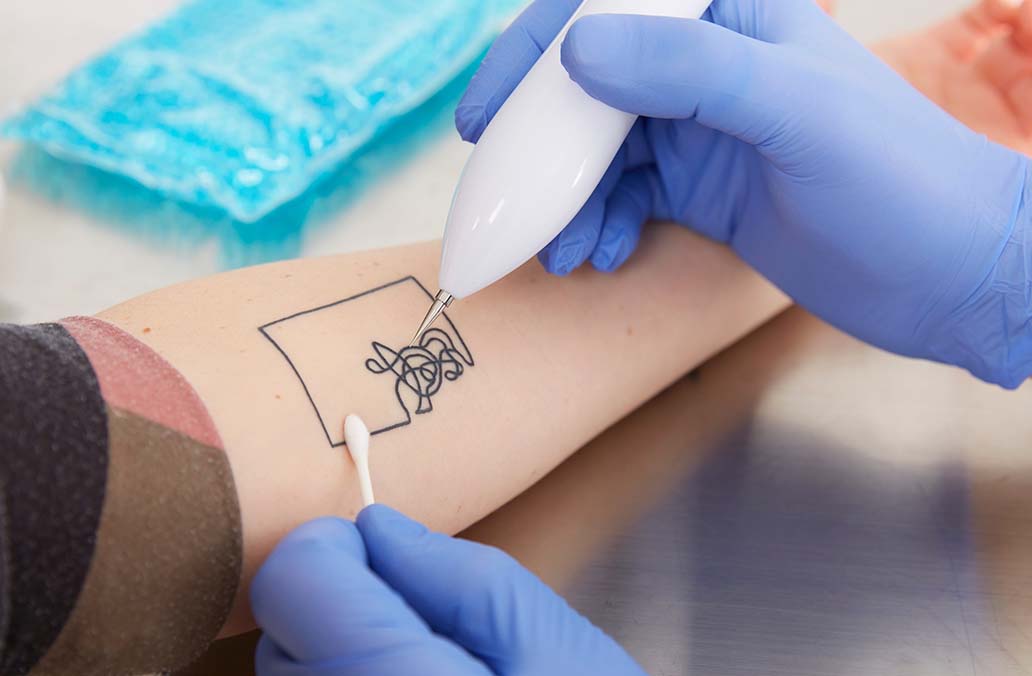
Tattoos are designed to last a lifetime, which is exactly why they require serious thought before you commit. While removal options exist, they’re expensive, time-consuming, and often uncomfortable. The process of laser tattoo removal San Diego residents undergo, for example, typically requires multiple sessions and can cost significantly more than the original tattoo.
Before scheduling your appointment, take time to sit with your design choice. Live with the image for several months by keeping it as your phone background or printing it out and placing it where you’ll see it daily. If you still love it after this trial period, you’re likely making a sound decision.
Choosing the Right Artist Makes All the Difference
Not all tattoo artists are created equal, and selecting the right one is crucial to achieving the results you want. Research artists in your area by examining their portfolios, reading reviews, and visiting shops in person. Each artist has their own style and specialty, whether that’s fine line work, traditional designs, realism, or watercolor techniques.
Don’t be afraid to schedule consultations with multiple artists before making your choice. A reputable professional will be happy to discuss your vision, offer honest feedback, and show you examples of similar work they’ve completed. Remember that the cheapest option is rarely the best option when it comes to permanent body art.
Placement Considerations That Matter
Where you place your tattoo affects both its visibility and how well it ages over time. Consider your career prospects and workplace culture when deciding on placement. While attitudes toward visible tattoos have become more relaxed in many industries, some professional environments still maintain conservative standards.
Certain body areas are also more prone to fading and distortion. Hands, feet, and areas that experience frequent sun exposure or friction may require more frequent touch-ups. Additionally, think about how your body might change over time through weight fluctuations, pregnancy, or aging, and how these changes could affect your tattoo’s appearance.
The Importance of Proper Aftercare
Your responsibility doesn’t end when you leave the tattoo shop. Proper aftercare is essential for healing and maintaining the quality of your new ink. Your artist will provide specific instructions, but generally, you’ll need to keep the area clean, moisturized, and protected from sun exposure during the healing process.
Expect the healing period to last two to four weeks, during which you should avoid swimming, excessive sweating, and picking at any scabs that form. Following these guidelines helps prevent infection and ensures your tattoo heals with vibrant colors and clean lines.
Preparing for the Physical Experience
Let’s be honest: getting a tattoo involves some level of discomfort. Pain tolerance varies from person to person, and different body areas have different sensitivity levels. Bony areas, the ribs, and spots with thin skin tend to be more painful than fleshier areas.
Prepare yourself physically by getting a good night’s sleep, eating a substantial meal beforehand, and staying well-hydrated. Avoid alcohol and blood-thinning medications for at least 24 hours before your appointment. Bring snacks and water for longer sessions, and don’t hesitate to ask for breaks if you need them.
Financial Planning Beyond the Initial Cost
Tattoos represent a significant financial investment that extends beyond the initial session. Larger pieces may require multiple appointments, each costing hundreds or thousands of dollars. Factor in tipping your artist, typically 15-20% of the total cost, as well as aftercare products.
You should also budget for potential future expenses like touch-ups, which may be needed as your tattoo ages. Quality work from experienced artists costs more upfront but often requires fewer corrections down the line, making it a worthwhile investment.
Making Peace with Your Choice
Ultimately, the best tattoos are those that hold genuine meaning or bring you joy every time you see them. Take your time with this decision, do your research, and trust your instincts. When you’ve found the right design, artist, and placement, you’ll feel confident moving forward.
Remember that while tattoos are permanent, they’re also a form of self-expression that can commemorate important moments, beliefs, or relationships in your life. With proper planning and realistic expectations, your new tattoo can be a source of pride and personal significance for years to come.