
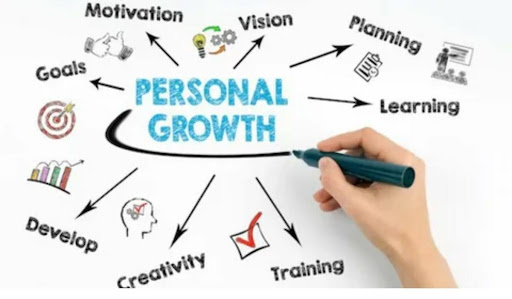
Personal development is a lifelong journey that shapes how individuals think, act, and respond to the world around them. Every experience, challenge, and achievement contributes to personal growth, helping people become more confident, resilient, and capable of reaching their goals. While many people focus on short-term improvements, lasting success often comes from adopting habits and mindsets that support continuous development over time.
In today’s fast-paced world, self-improvement has become increasingly important. Individuals who invest in their skills, emotional intelligence, and overall well-being are better equipped to adapt to change and overcome obstacles. Developing a commitment to growth can lead to greater fulfillment, stronger relationships, and improved opportunities in both personal and professional life.
Understanding the Meaning of Personal Growth
Personal growth refers to the ongoing process of improving various aspects of life, including emotional well-being, knowledge, skills, habits, and self-awareness. It involves recognizing strengths, identifying areas for improvement, and taking intentional steps toward becoming a better version of oneself.
Growth is not always about achieving major milestones. Small daily actions often create the most significant results over time. Reading a book, learning a new skill, practicing gratitude, or improving communication abilities are all examples of activities that contribute to meaningful personal development.
Why Long-Term Development Matters
Many individuals focus on quick results and immediate rewards. While short-term achievements can be motivating, sustainable success often requires a broader perspective. Developing habits that encourage long-term personal growth allows individuals to create lasting improvements rather than temporary changes.
Long-term development helps people build resilience, patience, and adaptability. These qualities become especially valuable during periods of uncertainty or challenge. By maintaining a commitment to continuous improvement, individuals can navigate life’s ups and downs with greater confidence and stability.
Setting Clear Goals for Continuous Improvement
Goals provide direction and purpose during the growth journey. Without clear objectives, it can be difficult to measure progress or stay motivated. Effective goals should be realistic, specific, and aligned with personal values and long-term aspirations.
Breaking larger goals into smaller milestones can make them more manageable and achievable. Celebrating progress along the way helps maintain motivation while reinforcing positive behaviors. Consistent effort toward meaningful goals often leads to significant personal transformation over time.
Developing Self-Awareness as a Foundation for Growth
Self-awareness is one of the most important elements of personal development. Understanding personal strengths, weaknesses, emotions, and behavioral patterns allows individuals to make better decisions and improve their interactions with others.
Reflection plays a key role in building self-awareness. Taking time to evaluate experiences, identify lessons learned, and consider areas for improvement can provide valuable insights. The more individuals understand themselves, the more effectively they can pursue meaningful growth.
Building Positive Habits for Lasting Success
Developing consistent daily routines and productive behaviors is one of the most effective ways to achieve long-term personal growth and create lasting success in every area of life.
Habits shape daily behavior and have a significant impact on long-term outcomes. Positive habits such as regular exercise, consistent learning, healthy eating, and effective time management create a strong foundation for success in various areas of life.
Developing new habits requires patience and consistency. While change may not happen overnight, repeated actions eventually become part of a person’s routine. Over time, these habits contribute to increased productivity, improved well-being, and greater personal satisfaction.
The Importance of Lifelong Learning
Learning should not stop after formal education ends. The most successful individuals often embrace lifelong learning as a way to expand their knowledge, adapt to changing circumstances, and remain competitive in their chosen fields.
Reading books, attending workshops, taking online courses, and seeking mentorship opportunities can all support continuous development. A commitment to learning encourages curiosity and helps individuals discover new perspectives that contribute to ongoing personal and professional growth.
Overcoming Challenges and Setbacks
Challenges are an inevitable part of life, and setbacks often provide valuable opportunities for learning. While obstacles can be discouraging, they also help individuals develop resilience, problem-solving skills, and emotional strength.
Rather than viewing failures as permanent defeats, successful people often see them as stepping stones toward improvement. Each challenge presents an opportunity to gain experience, adjust strategies, and move closer to long-term goals.
Strengthening Emotional Intelligence
Emotional intelligence involves recognizing, understanding, and managing emotions effectively. It also includes the ability to empathize with others and maintain healthy relationships. Strong emotional intelligence contributes to better communication, conflict resolution, and decision-making.
Developing emotional awareness can improve both personal and professional interactions. Individuals who manage emotions effectively are often better equipped to handle stress, navigate difficult situations, and maintain positive relationships with those around them.
The Role of Relationships in Personal Development
The people we spend time with can significantly influence our mindset, habits, and overall outlook on life. Supportive relationships encourage growth, provide valuable feedback, and offer motivation during challenging times.
Surrounding oneself with positive and growth-oriented individuals can create an environment that fosters success. Meaningful connections provide opportunities for learning, collaboration, and personal development that might not be possible in isolation.
Maintaining Motivation Over the Long Term
Staying motivated throughout the growth journey can be challenging, especially when progress feels slow. Motivation often fluctuates, which is why discipline and consistency are equally important. Relying solely on inspiration may not be enough to achieve lasting results.
Creating routines, tracking progress, and regularly revisiting personal goals can help maintain momentum. Focusing on the reasons behind growth efforts provides a sense of purpose that encourages continued commitment even during difficult periods.
Creating a Balanced Approach to Growth
While striving for improvement is important, maintaining balance is equally essential. Personal development should enhance overall well-being rather than create unnecessary stress or pressure. Sustainable growth involves caring for physical health, mental wellness, relationships, and personal fulfillment.
Individuals who adopt a balanced approach are more likely to enjoy the process of self-improvement while avoiding burnout. By focusing on steady progress rather than perfection, they can build a fulfilling life that supports long-term success and happiness.
Frequently Asked Questions
What is personal growth?
Personal growth is the ongoing process of improving skills, knowledge, habits, self-awareness, and overall well-being to achieve a better quality of life.
Why is long-term personal growth important?
It helps individuals develop resilience, adaptability, confidence, and skills that contribute to lasting success and fulfillment.
How can I start my personal growth journey?
Begin by setting clear goals, identifying areas for improvement, developing positive habits, and committing to continuous learning.
What role does self-awareness play in growth?
Self-awareness helps individuals understand their strengths, weaknesses, emotions, and behaviors, making it easier to pursue meaningful improvement.
Can personal growth improve professional success?
Yes. Strong communication skills, emotional intelligence, adaptability, and continuous learning often contribute to career advancement and professional achievement.
Conclusion
Personal development is a lifelong journey that requires dedication, patience, and a willingness to learn. By focusing on meaningful goals, building positive habits, strengthening emotional intelligence, and embracing continuous learning, individuals can create lasting improvements that benefit every area of life.
True success comes from consistent effort and a commitment to becoming better each day. Through long-term personal growth, individuals can unlock their full potential, overcome challenges, and build a future defined by purpose, confidence, and fulfillment.