
Mental health plays a crucial role in overall well-being, affecting how people think, feel, communicate, and manage daily responsibilities. In recent years, awareness surrounding mental health has grown significantly, encouraging more individuals to seek professional support for conditions such as anxiety, depression, stress disorders, and other emotional challenges. However, access to traditional mental health services can still be difficult due to geographical limitations, busy schedules, transportation issues, and provider shortages.
Advancements in digital healthcare have created new opportunities for individuals to receive professional mental health support from the comfort of their homes. Telehealth services have transformed the way psychiatric and mental health care is delivered, making treatment more accessible, convenient, and flexible for patients across various communities. As technology continues to evolve, telehealth is becoming an increasingly valuable resource for those seeking quality mental health care.
Understanding the Growth of Telehealth in Mental Health Services
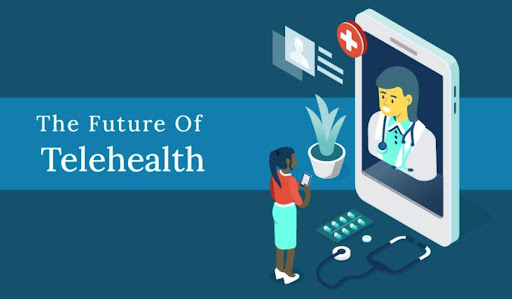
The healthcare industry has experienced rapid technological advancement over the past decade. Telehealth has emerged as one of the most significant innovations, allowing healthcare professionals to connect with patients through secure video conferencing, phone consultations, and digital communication platforms.
Mental health services are particularly well-suited for telehealth because many psychiatric evaluations, therapy sessions, and follow-up appointments can be conducted effectively through virtual platforms. This approach allows patients to receive professional care without the need to travel long distances or rearrange their daily schedules.
Why Mental Health Care Accessibility Matters
Millions of individuals experience mental health concerns each year, yet many never receive treatment. Barriers such as stigma, provider shortages, transportation challenges, and financial concerns often prevent people from seeking the help they need. Improving access to care is essential for promoting better mental health outcomes and overall quality of life.
Virtual healthcare solutions help remove many of these barriers. Individuals who may have previously struggled to access services can now connect with licensed professionals from virtually any location. This increased accessibility allows more people to receive timely support before mental health concerns become more severe.
The Benefits of Virtual Psychiatric Services
One of the primary advantages of telehealth is convenience. Patients can attend appointments from home, work, or other private locations, eliminating travel time and reducing scheduling conflicts. This flexibility makes it easier for individuals to maintain consistent treatment and follow-up care.
Many people seeking Telehealth Psychiatric & Mental Health Care appreciate the ability to access professional support while maintaining privacy and comfort. Virtual care can reduce stress associated with traveling to appointments and create a more relaxed environment for discussing sensitive topics.
How Telehealth Supports Different Mental Health Needs
Telehealth services can be used to address a wide variety of mental health concerns. Individuals experiencing anxiety, depression, stress-related disorders, mood disorders, and other emotional challenges may benefit from virtual consultations and therapy sessions.
Psychiatric providers can also conduct evaluations, monitor symptoms, adjust treatment plans, and provide medication management through secure telehealth platforms. This continuity of care helps ensure that patients receive ongoing support tailored to their evolving needs.
The Role of Therapy in Virtual Mental Health Treatment
Therapy remains one of the most effective approaches for improving mental health and emotional well-being. Through virtual sessions, licensed therapists help individuals identify challenges, develop coping skills, and work toward meaningful personal goals.
Cognitive Behavioral Therapy (CBT), mindfulness-based approaches, and supportive counseling are commonly delivered through telehealth platforms. Research continues to demonstrate that virtual therapy can be highly effective for many individuals seeking professional mental health support.
Working with an Online Psychiatrist
Psychiatrists play an important role in diagnosing mental health conditions and developing treatment plans that may include medication management. Virtual psychiatric services allow patients to consult with qualified professionals without needing to visit a physical office.
Many individuals choose an online psychiatrist because of the convenience and accessibility virtual care provides. Through secure video appointments, psychiatrists can assess symptoms, monitor treatment progress, and make adjustments that support long-term mental health improvement.
Privacy and Security in Telehealth Services
Confidentiality is a top priority in mental health treatment. Reputable telehealth providers utilize secure communication platforms designed to protect patient information and comply with healthcare privacy regulations.
Patients can take additional steps to protect their privacy by attending appointments in a quiet and private location. Maintaining confidentiality helps create a safe environment where individuals feel comfortable discussing personal concerns and treatment goals.
Overcoming Common Misconceptions About Telehealth
Some individuals question whether virtual mental health care can be as effective as traditional in-person treatment. While telehealth may not be appropriate for every situation, many patients experience positive outcomes through virtual services that closely mirror those achieved through face-to-face care.
Another misconception is that telehealth lacks personal connection. In reality, many providers develop strong therapeutic relationships with patients through consistent virtual interactions. Modern communication technology allows for meaningful conversations and ongoing support that foster trust and engagement.
The Future of Mental Health Care Delivery
Telehealth continues to reshape the mental health landscape by making services more accessible and flexible. As technology improves, patients can expect even greater convenience, expanded provider availability, and enhanced digital tools that support treatment and communication.
Healthcare organizations are increasingly investing in virtual care solutions to meet growing demand for mental health services. This ongoing evolution will likely play a key role in improving access to care and supporting positive mental health outcomes for diverse populations.
Choosing the Right Telehealth Provider
Selecting the right mental health provider is an important step toward achieving treatment goals. Individuals should consider factors such as professional credentials, areas of expertise, treatment approaches, availability, and communication style when evaluating telehealth options.
A qualified provider can create a personalized treatment plan that addresses individual concerns while supporting long-term wellness. Taking the time to find the right professional can greatly enhance the overall treatment experience and contribute to better outcomes.
Frequently Asked Questions
What is telehealth psychiatric care?
Telehealth psychiatric care involves receiving mental health services through secure online platforms, including evaluations, therapy, and medication management.
Is virtual therapy effective?
Yes. Research shows that many forms of therapy delivered through telehealth can be highly effective for a variety of mental health conditions.
Can psychiatrists prescribe medication through telehealth?
In many situations, licensed psychiatrists can evaluate patients and provide medication management through virtual appointments, depending on applicable regulations.
Is telehealth private and secure?
Reputable providers use secure technology and privacy safeguards to protect patient information and maintain confidentiality.
Who can benefit from telehealth mental health services?
Individuals experiencing anxiety, depression, stress, mood disorders, and other mental health concerns may benefit from telehealth treatment options.
Conclusion
Telehealth has transformed the way mental health services are delivered, making professional support more accessible, convenient, and flexible than ever before. By removing common barriers to care, virtual treatment options allow individuals to connect with qualified mental health professionals regardless of location or scheduling limitations.
As demand for mental health services continues to grow, telehealth will remain an important part of modern healthcare. With the right provider and a commitment to treatment, individuals can access the support they need to improve emotional well-being, strengthen resilience, and achieve long-term mental health success.