
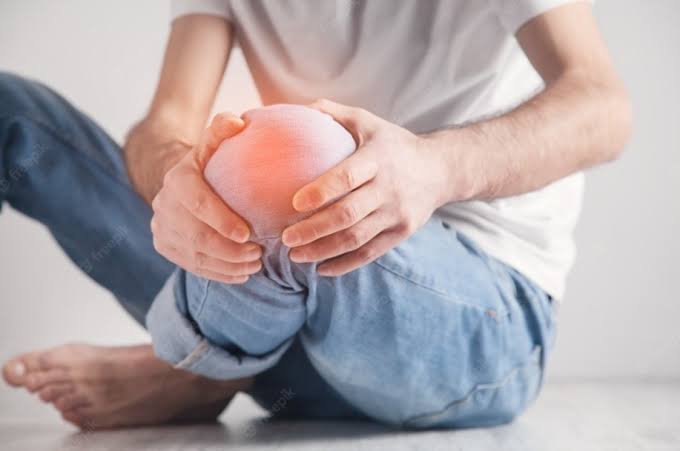
When temperatures drop, you might notice that your knees feel stiffer, your fingers ache more often, or your hips become uncomfortable after sitting for a while. If joint pain seems to worsen every winter, you aren’t imagining things.
Cold weather can affect how your body feels and moves, making existing aches and stiffness more noticeable. While winter itself doesn’t necessarily cause joint problems, several seasonal changes can contribute to discomfort. Understanding why your joints hurt more in the colder months can help you stay comfortable, active, and ready to enjoy the season.
Cold Temperatures Can Make Your Joints Feel Stiffer
One common explanation for increased winter joint discomfort is the effect of cold temperatures on your muscles, tendons, and surrounding tissues.
When the weather gets colder, muscles may tighten, and your body can feel less flexible. This can make everyday movements, such as climbing stairs, getting out of bed, or reaching for something on a shelf, feel more difficult.
Cold weather can also make you less inclined to move around, making stiffness more noticeable. Wearing comfortable layers and keeping your body warm can help.
Products like supportive compression apparel from Copper Fit may also be worth considering as part of a comfort-focused routine. Compression and coverage can provide support and help you feel more comfortable while staying active during colder months.
Changes in Barometric Pressure May Play a Role
Changes in barometric pressure may help explain aching joints when the weather changes. Barometric pressure refers to the weight of the atmosphere pressing against the Earth’s surface. It can fluctuate as weather systems move through an area.
Some researchers believe that changes in atmospheric pressure may affect the tissues surrounding joints, potentially contributing to discomfort. When pressure drops, tissues may expand slightly, creating additional sensitivity around already irritated joints.
Although research has not established a definitive connection between weather changes and joint pain for everyone, many people with arthritis report noticing seasonal patterns in their symptoms.
You May Be Moving Less
Shorter days, icy sidewalks, and freezing temperatures can make outdoor activities less appealing. Instead of taking a walk or spending time outside, you might find yourself sitting on the couch more frequently.
Unfortunately, reduced movement can contribute to joint stiffness. Regular physical activity helps maintain flexibility, strengthen the muscles that support your joints, and promote healthy circulation. When you spend more time sitting, your joints may feel tighter when you finally get moving again.
You don’t need an intense workout to stay active. Indoor walking, gentle stretching, yoga, and low-impact exercises can help keep your body moving without requiring you to brave the cold.
Existing Arthritis Symptoms May Become More Noticeable
People living with arthritis sometimes report that their symptoms become more uncomfortable during winter. Arthritis involves inflammation or damage affecting the joints, and its symptoms can include pain, swelling, stiffness, and reduced mobility.
Osteoarthritis, for example, develops as the protective cartilage within joints gradually wears down. Rheumatoid arthritis is an autoimmune condition that causes inflammation in the joints. Although cold weather doesn’t directly cause either condition, seasonal changes may influence how symptoms feel.
If winter consistently worsens your joint pain, keeping track of your symptoms can help you identify patterns and discuss them with a healthcare professional.
Cold Weather Can Affect Circulation
When temperatures fall, your blood vessels narrow in a process called vasoconstriction. This helps your body conserve heat by reducing blood flow near the skin’s surface.
While this response is important for maintaining your core temperature, it can also make your hands and feet feel particularly cold. For some people, cold extremities can contribute to an overall sense of discomfort, especially when joint stiffness is already present.
Keeping your hands, feet, and other exposed areas warm with gloves, insulated socks, and appropriate clothing can make winter days more comfortable.
Dehydration Can Contribute to Discomfort
Staying hydrated might feel like a summer priority, but your body needs water year-round. During winter, you may not feel as thirsty, making it easier to overlook your daily fluid intake.
Hydration supports several important bodily functions, including maintaining the health of cartilage and other connective tissues. While drinking more water won’t automatically eliminate joint pain, getting enough fluids supports overall health and helps your body function properly.
Keep water nearby throughout the day, and consider warm herbal tea or other hydrating beverages if cold drinks aren’t appealing.
Your Winter Routine May Need a Few Adjustments
Managing winter joint discomfort often comes down to making small, consistent changes. Start by warming up before exercising, particularly if you’ve been sitting for an extended period. Gentle movements can help prepare your muscles and joints for activity.
You can also try warm showers, heating pads, and comfortable clothing to ease feelings of stiffness. Prioritize regular movement, balanced meals, and adequate sleep to support your overall well-being.
If joint pain is persistent, severe, accompanied by significant swelling, or interfering with everyday activities, consult a healthcare professional. Sudden joint pain with redness or warmth, particularly when accompanied by fever, also warrants prompt medical attention.
Enjoy Winter With a Joint-Friendly Routine
Winter joint discomfort can have several contributing factors, including colder temperatures, changing weather patterns, and reduced physical activity. Although you can’t control the weather, you can take steps to support your joints throughout the season.
Staying warm, maintaining a consistent movement routine, and paying attention to your body’s needs can make a meaningful difference. With a few thoughtful adjustments, you can spend less time worrying about stiffness and more time enjoying everything winter has to offer.