
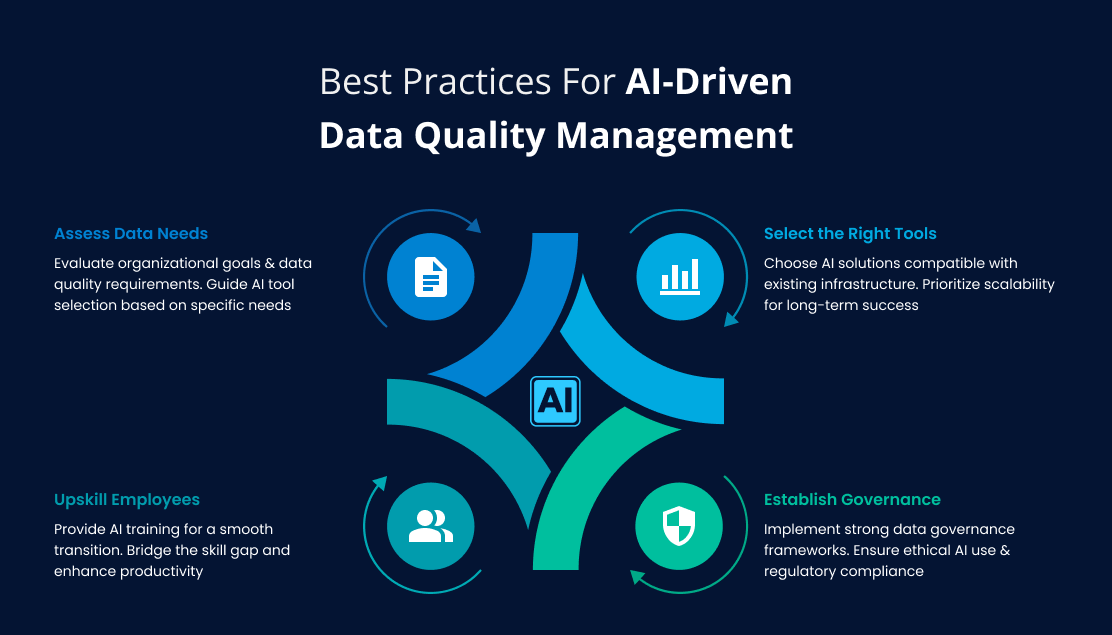
Investing in modern data quality tools is a step for any professional organisation that ensures that every strategic decision is backed by reliable information. As your business grows, the volume of information you handle becomes complex, making it impossible to manage the accuracy of your records. This blog will explore the advantages of using automated technology to improve the integrity of your database.
1. Enhancing the Reliability of Your Business Analytics
Ensure that the data fed into your analytics software is clean and verified, as even a small percentage of errors can lead to incorrect conclusions about your customer behaviour or sales trends. High-quality tools automatically filter out inconsistencies and validate entries against trusted sources. Reliable analytics serve as a powerful compass that guides your business toward more profitable opportunities.
2. Increasing Overall Staff Productivity and Focus
When your database is plagued with errors, your employees spend a big portion of their time searching for information or correcting simple typos in customer profiles. You can reclaim this lost time by implementing automated tools that handle the heavy lifting of data cleaning. Providing your team with the right tools shows that you are committed to creating a space where efficiency is prioritised.
3. Improving the Accuracy of Targeted Marketing Campaigns
Use data quality tools to segment your audience, ensuring that your promotional materials are tailored to the needs of different groups. Clean records prevent you from sending irrelevant content or duplicate messages, which can annoy your customers. That’s why having accurate marketing data ensures that your budget is used to grow your audience and strengthen your presence in the marketplace.
4. Ensuring Compliance with Modern Privacy Regulations
Maintaining high data standards is essential for meeting the strict requirements of global privacy laws. Modern tools provide the necessary audit trails and reporting functions to prove your compliance and help you avoid the heavy fines. Staying ahead of these regulations protects your reputation and shows your customers that you are a responsible and ethical handler of sensitive information in a digital world.
5. Reducing Unnecessary Operational and Shipping Costs
Inaccurate data leads to hidden expenses that can quietly drain your workshop budget, like the high costs of returned mail. You can reduce these overheads by validating addresses and contact information at the point of entry to ensure that every shipment and communication is successful. Modern tools help you identify and eliminate these inefficiencies before they become a major financial burden.
6. Strengthening Customer Trust and Professional Reputation
Customers are more likely to remain loyal to your brand when you remember their preferences correctly. Using quality tools to maintain your records ensures that every interaction is polished and professional, which builds a foundation of trust. A strong reputation for accuracy sets you apart from your competitors and makes your business the first choice for clients who value precision and high-quality service.
7. Facilitating Seamless Integration Between Software Platforms
As your company adopts more digital tools, it is vital that your information can flow across different systems. Use data quality software to standardise your records so that they are fit with everything from your customer relationship management to your financial and logistics platforms. Having a good system reduces the risk of data silos and ensures that your business operates as a single, cohesive unit.
Mastering the Art of Data Excellence
Your journey toward total data integrity concludes with the understanding that the quality of your information dictates the quality of your great outcomes. By embracing these technological solutions, you ensure that your business remains at the cutting edge of your industry. Moving forward with a verified database allows you to focus on your vision while knowing that your data is solid and dependable.