
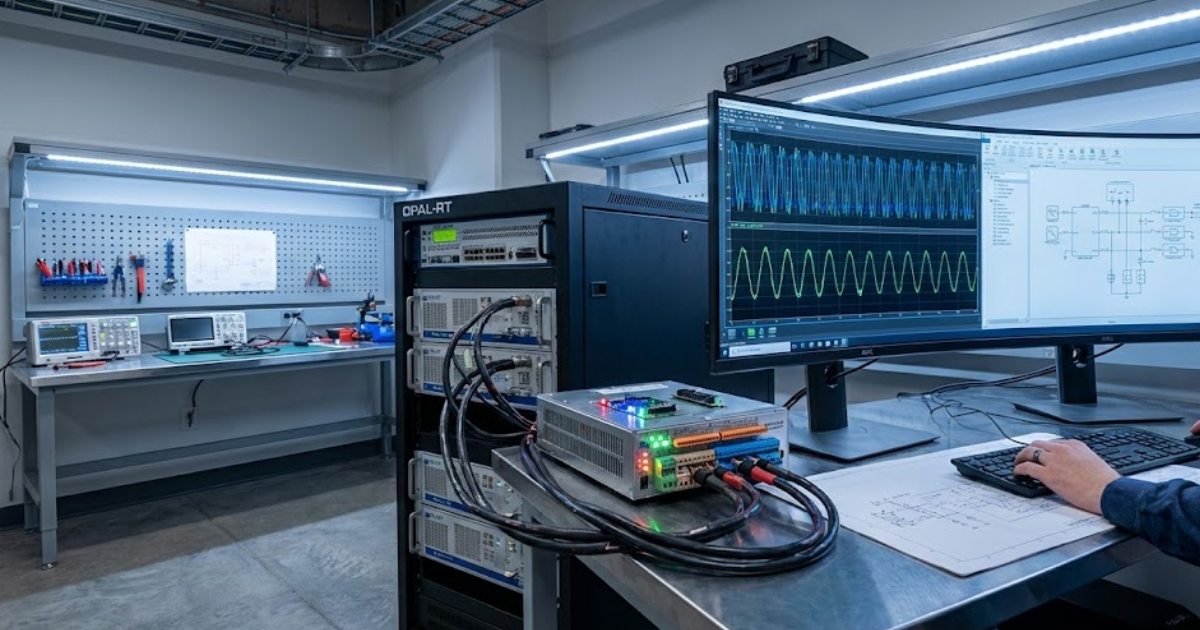
Preparing for a crisis demands a deep understanding of how events unfold in the heat of the moment. Real-time simulation provides a dynamic environment where first responders and decision-makers can test their reactions against an evolving set of challenges. This article explores how these high-tech solutions provide the critical training needed to save lives and manage resources during a disaster.
Enhancing Split-Second Decision Making Under Pressure
In a major emergency, the ability to process information and make a decisive choice in a matter of seconds is the difference between safety and catastrophe. You can use live simulations to place yourself in the middle of a high-stress event, where every second counts. This constant exposure to rapid-fire scenarios helps to build the mental resilience required to stay calm and focused when a real crisis strikes.
Improving Inter-Agency Coordination and Communication
Large-scale emergencies require multiple departments to work together in a perfectly synchronised effort. A simulation allows these different teams to enter a shared digital space where they can practise their communication protocols. Strengthening these professional bonds through virtual practice ensures that everyone is speaking the same language and working towards the same life-saving goals.
Predicting the Spread and Impact of Disasters
Modern simulation solutions use real-world data and advanced physics to model how a disaster might move through a specific geography. You can input variables to see a visual representation of the most likely path of destruction. Always remember that this predictive power allows you to plan evacuation routes and position emergency supplies in the areas where they will be needed most urgently.
Optimising the Allocation of Limited Resources
During a widespread emergency, your available personnel and equipment are stretched to their absolute limits across multiple locations. You can use real-time simulations to test various resource management strategies, seeing which configurations lead to the fastest response times. Finding the most effective balance prevents the exhaustion and confusion that can plague a poorly managed real-world response.
Providing a Safe Environment for Hazardous Training
Many emergency scenarios involve dangerous elements that are too risky to recreate for a large-scale live exercise. A simulation provides a safe space to practise high-risk manoeuvres and technical rescues without putting any of your staff in physical danger. Plus, you can repeat these difficult tasks as many times as necessary until every team member is comfortable with the equipment and the procedure.
Testing the Resilience of Critical Infrastructure
Beyond just training people, simulation solutions are vital for checking how your city’s bridges, power grids, and hospitals will hold up. You can run “what-if” scenarios to see how a failure in one system might lead to a cascading effect that disrupts other essential services across the entire region. Building this digital twin of your infrastructure allows you to harden your city against the most likely threats.
Facilitating Rapid Post-Incident Analysis and Learning
Once a simulated exercise is complete, you have access to a mountain of digital data that tracks every radio call or tactical decision made. Play back the entire scenario from multiple angles to see exactly what went right and where the response could have been improved by the team. Constant learning and refinement are the keys to building an emergency response team that is truly ready for any challenge.
Mastering the Art of Crisis Management
Integrating predictive science with immersive training, these solutions ensure that your response is as fast, coordinated, and effective as possible. You deserve to live in a community that is prepared for the unexpected, and the use of this technology is a vital part of making that a reality. Investing in advanced simulation is a commitment to the safety and resilience of your entire society for the long term.