
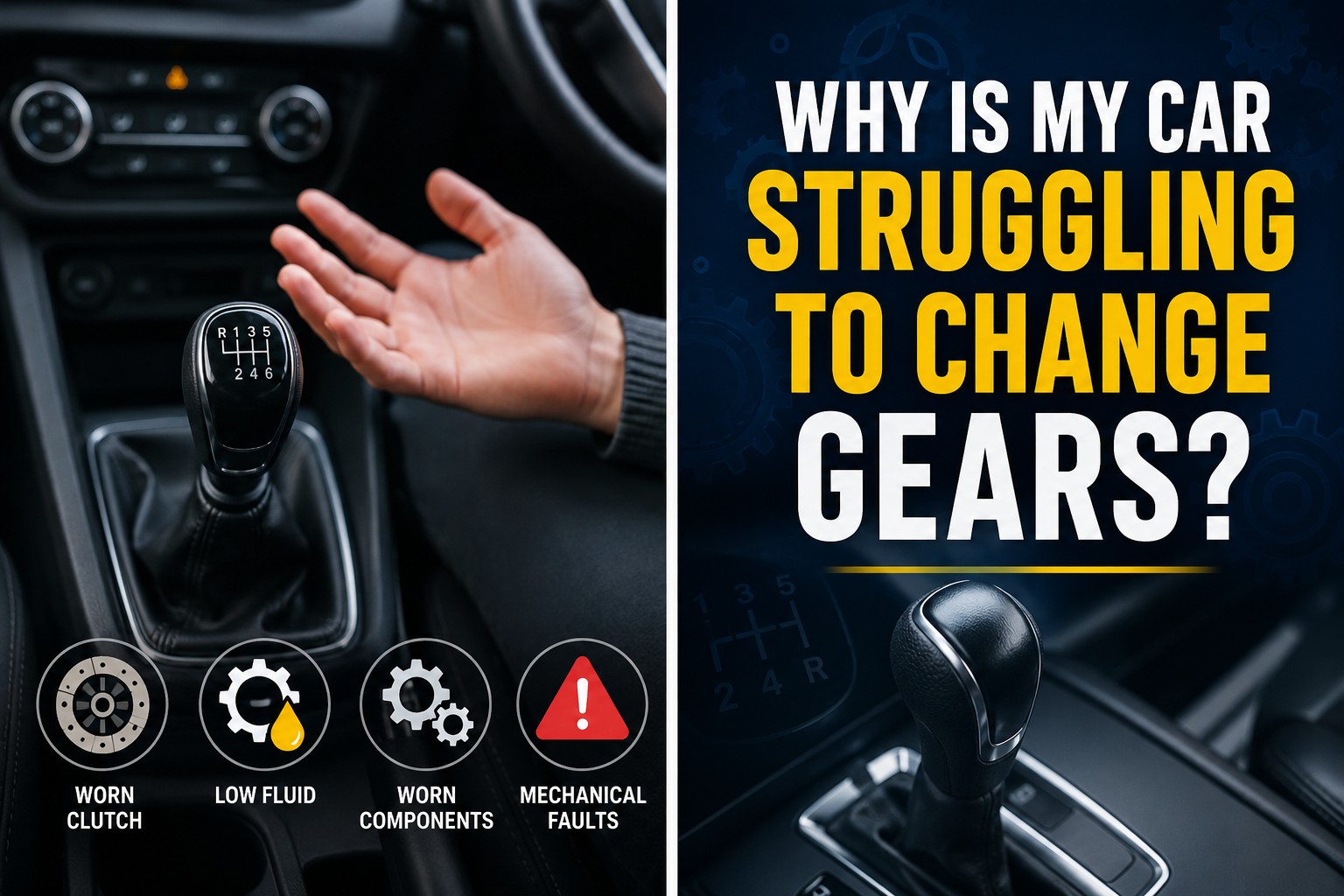
Few things are more frustrating than a car that won’t shift gears smoothly. Whether you’re driving a manual or automatic, gear change problems can turn every journey into a stressful experience. The gears might stick, grind, slip, or refuse to engage at all, leaving you wondering what’s gone wrong and whether it’s safe to keep driving.
Gear shifting issues rarely appear out of nowhere. They’re usually the result of worn components, low fluid levels, or mechanical faults that have developed over time. Understanding why your car is struggling to change gears helps you diagnose the problem faster and avoid costly damage down the line.
Regular car servicing in Aldershot can catch many of these issues before they become serious, keeping your gearbox in good health and your driving experience smooth. Whether you drive a manual or automatic, staying on top of maintenance, including your annual MOT test, ensures problems are identified and resolved early.
In this guide, we’ll explore the most common reasons why cars struggle to change gears, what causes each issue, and what you can do to fix it.
How Does Gear Changing Work?
Before diving into what goes wrong, it helps to understand how gear changing works in both manual and automatic vehicles. In a manual car, the driver operates the clutch pedal to disconnect the engine from the gearbox, allowing gears to be selected using the gear stick. The clutch re-engages to transfer power back to the wheels.
Automatic gearboxes handle gear changes without driver input, using hydraulic fluid pressure, sensors, and complex mechanical systems to shift gears based on speed, load, and throttle position. Modern automatics include torque converters, continuously variable transmissions, or dual clutch systems, each with its own method of changing gears.
Both systems rely on precise mechanical timing and healthy components. When something wears out, gets damaged, or runs low on lubrication, the smooth operation breaks down. The result is difficulty changing gears, unusual noises, or complete failure to shift.
Understanding your vehicle’s transmission type helps narrow down potential causes. Manual gearboxes typically suffer from clutch and linkage issues, while automatics are more prone to fluid and sensor problems. Knowing the difference points you in the right direction when troubleshooting.
Common Symptoms of Gear Change Problems
Recognising the warning signs early helps you address issues before they cause expensive damage. Here’s a breakdown of the most common symptoms and what they typically indicate:
| Symptom | Possible Cause | Gearbox Type |
| Grinding noises when shifting | Worn synchromesh rings or clutch not disengaging | Manual |
| Gears slipping during acceleration | Worn clutch or low transmission fluid | Both |
| Difficulty selecting gears | Clutch cable fault, linkage problems, or low fluid | Both |
| Delayed gear changes | Low transmission fluid or faulty sensors | Automatic |
| Gear stick feels loose or vague | Worn linkage bushes or damaged linkage | Manual |
| Burning smell | Overheating clutch or transmission fluid | Both |
| Warning lights on dashboard | Sensor faults or transmission system errors | Automatic |
| Clutch pedal feels spongy or stiff | Hydraulic system leak or air in the system | Manual |
If you’re experiencing any of these symptoms, it’s worth getting your vehicle inspected. Ignoring them can lead to complete gearbox failure or leave you stranded on the road.
1. Worn or Damaged Clutch (Manual Cars)
The clutch is the most common culprit when a manual car struggles to change gears. It connects and disconnects the engine from the gearbox, and over time, the clutch disc, pressure plate, and release bearing wear down. When these components are worn, the clutch doesn’t disengage fully, making it difficult or impossible to shift gears smoothly.
Signs of a failing clutch include a high biting point, slipping when accelerating, difficulty selecting gears, or a burning smell. You might also notice the clutch pedal feels spongy, stiff, or stays close to the floor after being pressed. Grinding noises when changing gear are another clear indicator.
Clutches wear faster if you ride the clutch pedal, hold the car on hills using the clutch, or frequently drive in heavy traffic around Fleet, Farnborough, or Ash. Stop and go driving puts constant strain on the clutch, accelerating wear.
Replacing a worn clutch restores smooth gear changes and prevents damage to the gearbox itself. If you’re experiencing any of these symptoms, it’s worth getting the clutch inspected before it fails completely. Driving with a slipping or dragging clutch can cause further damage and leave you stranded.
2. Low or Contaminated Transmission Fluid (Automatic Cars)
Transmission fluid is essential for automatic gearboxes. It lubricates moving parts, cools the system, and creates the hydraulic pressure needed to change gears. When fluid levels drop or the fluid becomes contaminated with dirt, metal particles, or moisture, gear changes become rough, delayed, or impossible.
Low fluid levels are often caused by leaks, which may appear as red or brown puddles under your car. Contaminated fluid turns dark, smells burnt, or contains visible debris. Both issues prevent the transmission from operating correctly, leading to slipping gears, harsh shifts, or failure to engage.
Checking transmission fluid regularly is straightforward on some vehicles, though many modern automatics are sealed units requiring professional inspection. If your car hesitates when shifting, jerks between gears, or refuses to move when in drive, low or dirty fluid is a likely cause.
Topping up or replacing transmission fluid can resolve many automatic gearbox issues. During servicing, mechanics check fluid condition and levels, topping up or performing a full flush if needed. Keeping the fluid clean and at the correct level extends the life of your gearbox and keeps gear changes smooth.
3. Faulty Clutch Cable or Hydraulic System (Manual Cars)
Even if your clutch disc is in good condition, problems with the clutch cable or hydraulic system can prevent proper gear changes. The clutch cable connects the pedal to the clutch mechanism, and over time it can stretch, fray, or snap. Hydraulic systems use fluid pressure to operate the clutch, and leaks or air in the system cause similar problems.
If the clutch pedal feels loose, unresponsive, or goes straight to the floor without resistance, the cable or hydraulic system is likely at fault. You might also struggle to get the car into gear, even with the pedal fully pressed. In some cases, the pedal won’t return to its normal position after being released.
Cable adjustments or replacements are relatively simple fixes that restore proper clutch operation. Hydraulic issues may require bleeding the system to remove air or replacing the master or slave cylinder if they’re leaking. Regular checks during servicing can catch these problems early.
Driving around Aldershot, Tongham, or North Camp with a faulty clutch cable is risky, as it can snap without warning, leaving you unable to change gears or move the car. If the pedal feels different or unresponsive, get it checked immediately.
4. Gearbox Linkage Problems
The gear linkage connects the gear stick to the gearbox, translating your movements into gear selection. Worn bushes, loose connections, or damaged linkage components can make shifting difficult, imprecise, or completely ineffective. This affects both manual and automatic vehicles, though the symptoms differ slightly.
In manual cars, you might find the gear stick feels loose, vague, or won’t slot into position properly. Gears may pop out while driving, or you might struggle to find certain gears. Automatic cars with linkage issues may show the wrong gear on the dashboard, refuse to shift, or get stuck in park.
Linkage wear is often caused by age, corrosion, or general wear and tear. Vehicles driven frequently on rough roads around Ash Vale or Fleet may experience faster deterioration. Loose or worn bushes allow excessive play in the linkage, reducing precision and making gear selection frustrating.
Replacing worn linkage components restores proper gear engagement. A mechanic can inspect the linkage for play, damage, or corrosion and replace any faulty parts. This is usually a straightforward repair that makes a noticeable difference to how the gearbox feels.
5. Worn Synchromesh Rings (Manual Gearbox)
Synchromesh rings sit inside the gearbox and help match the speed of the gears before they engage, allowing smooth, quiet shifts. Over time, these rings wear down, making it harder to change gears smoothly. Worn synchros cause grinding noises, especially when shifting into second or third gear.
You’ll typically notice synchro wear when changing gears quickly or at high revs. The gearbox may resist going into gear, or you’ll hear a crunching sound as the gears clash. This is more common in older vehicles or those that have been driven hard.
Aggressive driving, fast shifts, or skipping gears accelerates synchro wear. If you frequently drive spiritedly around Farnham or Farnborough, your synchros may wear faster than average. High mileage vehicles are also more prone to this issue.
Replacing synchromesh rings requires gearbox removal and internal work, making it a more involved repair. However, it’s essential to prevent further damage to the gears themselves. If you’re hearing grinding noises or struggling with specific gears, a gearbox inspection will identify whether the synchros need replacing.
6. Faulty Gear Sensors (Automatic Gearbox)
Modern automatic gearboxes rely on sensors to determine when and how to change gears. These sensors monitor speed, throttle position, engine load, and transmission temperature. If a sensor fails or sends incorrect data, the gearbox may shift erratically, stay in one gear too long, or refuse to change gears at all.
Common symptoms of sensor problems include harsh or delayed shifts, the gearbox stuck in limp mode, warning lights on the dashboard, or the transmission defaulting to a single gear. The car may feel sluggish or unresponsive when accelerating.
Sensor faults can be caused by electrical issues, wiring damage, or simply age and wear. Exposure to heat, moisture, or road debris around Ash or Fleet can damage wiring and connectors, leading to intermittent faults that are hard to diagnose without proper equipment.
A diagnostic scan identifies which sensor is faulty and allows targeted repairs. Replacing a sensor is usually straightforward and far less expensive than repairing internal gearbox damage. If your automatic gearbox is behaving unpredictably, a diagnostic check is the best first step.
7. Torque Converter Issues (Automatic Gearbox)
The torque converter in an automatic gearbox transfers power from the engine to the transmission using fluid. If the torque converter fails, the car may struggle to move, shift gears poorly, or overheat. Common symptoms include shuddering when accelerating, slipping between gears, or unusual noises like whining or grinding.
Torque converter problems are often caused by contaminated transmission fluid, overheating, or internal component wear. If the fluid is old or dirty, it can damage the converter and prevent it from working correctly. Low fluid levels also starve the converter of the hydraulic pressure it needs to function.
You might notice the car hesitates to move when you shift into drive or reverse, or it feels like the gears are slipping under load. These issues tend to worsen over time, so early diagnosis is important.
Repairing or replacing a torque converter is a major job requiring gearbox removal. However, keeping transmission fluid clean and at the correct level can prevent many torque converter problems. Regular servicing ensures the fluid is in good condition and the system operates as it should.
8. Master or Slave Cylinder Failure (Manual Cars with Hydraulics)
In manual cars with hydraulic clutches, the master and slave cylinders work together to operate the clutch. The master cylinder is connected to the pedal, and the slave cylinder engages the clutch mechanism. If either cylinder fails or leaks, you’ll struggle to change gears or the clutch won’t disengage properly.
Signs of cylinder failure include a soft or spongy clutch pedal, fluid leaks near the pedal or gearbox, or difficulty getting the car into gear. You might also notice the clutch pedal stays on the floor after being pressed or feels unusually stiff.
Leaking cylinders lose hydraulic pressure, preventing the clutch from fully disengaging. This makes gear changes difficult and can damage the clutch and gearbox if left untreated. Replacing the faulty cylinder restores proper clutch operation and prevents further issues.
Regular fluid checks and inspections catch leaks early. If the clutch pedal feels different or you spot fluid under the car, get it inspected immediately. Driving with a failing master or slave cylinder risks being stranded with no way to change gears.
9. Dual Clutch Transmission Faults
Dual clutch transmissions combine elements of manual and automatic gearboxes, using two clutches to pre-select gears for fast, smooth shifts. While efficient, they can suffer from clutch wear, mechatronic unit faults, or software glitches that cause rough or delayed gear changes.
Common symptoms include jerky shifts at low speeds, hesitation when pulling away, shuddering during acceleration, or the gearbox refusing to shift. You might also see warning lights or error messages on the dashboard.
Dual clutch systems require specific maintenance, including regular fluid changes and software updates. Neglecting these can lead to premature clutch wear or electronic faults. Driving in heavy traffic around Fleet or Farnborough puts additional strain on dual clutch systems, as they work harder during frequent stop and go driving.
Diagnosing dual clutch issues requires specialist equipment and knowledge. Repairs may involve clutch replacement, mechatronic unit reprogramming, or software updates. Keeping up with manufacturer recommended servicing helps prevent many of these problems.
10. Engine and Gearbox Mounts
Engine and gearbox mounts keep the drivetrain stable and absorb vibrations. Worn or damaged mounts allow excessive movement, which can affect gear linkage alignment and make shifting difficult. You might notice clunking noises when changing gear, vibrations through the cabin, or difficulty selecting certain gears.
Mounts degrade over time due to heat, oil contamination, and constant vibration. Vehicles driven on rough roads or with aggressive driving styles experience faster mount wear. If the engine or gearbox moves excessively, it places strain on the linkage and other components, much like worn suspension components affect handling and stability.
Replacing worn mounts restores proper alignment and reduces vibration. During servicing, mechanics inspect mounts for cracks, splits, or excessive play. This is a relatively simple repair that improves driving comfort and gearbox operation.
If you’re experiencing unusual noises or vibrations alongside gear change problems, mounts are worth checking. They’re often overlooked but play an important role in how the gearbox performs.
What Should You Do If Your Car Struggles to Change Gears?
If your car is struggling to change gears, the first step is to identify the symptoms. Is it grinding, slipping, refusing to engage, or making unusual noises? Does it happen in all gears or just specific ones? Does it occur when the engine is cold, hot, or all the time? Answering these questions helps narrow down the cause.
Avoid forcing the gearbox or continuing to drive if the problem is severe. Driving with a slipping clutch, low transmission fluid, or damaged gearbox components can cause expensive damage and leave you stranded. If the car won’t shift into gear safely, stop driving and get it inspected.
Book a diagnostic check or servicing appointment to pinpoint the issue. Modern vehicles store fault codes that can reveal sensor problems, while physical inspections identify clutch wear, fluid leaks, or linkage damage. Clear communication with your mechanic about the symptoms helps them diagnose the problem faster.
Regular maintenance prevents many gearbox issues. Clutch adjustments, fluid checks, and component inspections catch problems early, before they lead to complete failure. Keeping your vehicle well maintained means smoother, more reliable gear changes and fewer unexpected repair bills.
Maintenance Tips to Prevent Gear Change Problems
Prevention is always better than cure when it comes to gearbox health. Here are practical maintenance tips that help keep your transmission in top condition:
| Maintenance Task | Frequency | Benefit |
| Check transmission fluid level and condition | Every 6 months or during servicing | Prevents low fluid issues and contamination |
| Inspect clutch operation and adjustment | Annually or when symptoms appear | Catches wear early, extends clutch life |
| Test gear linkage for play or damage | During routine servicing | Ensures precise gear selection |
| Scan for diagnostic fault codes | When warning lights appear | Identifies sensor and electronic faults |
| Replace transmission fluid | Every 30,000 to 60,000 miles | Maintains hydraulic pressure and lubrication |
| Check engine and gearbox mounts | Annually or if vibrations increase | Prevents excessive drivetrain movement |
| Inspect clutch hydraulic system | Every service or if pedal feels different | Catches leaks before complete failure |
| Update transmission software | As recommended by manufacturer | Fixes known issues and improves performance |
Following these maintenance tasks significantly reduces the risk of gear change problems. Many issues develop gradually and can be caught during routine servicing before they become expensive repairs.
How Regular Servicing Prevents Gear Change Problems
Many gear change issues develop gradually and can be caught during routine servicing. Mechanics check transmission fluid levels and condition, inspect clutch operation, examine linkages and mounts, and test for diagnostic fault codes. Addressing minor wear before it becomes major damage saves money and keeps your car running smoothly.
Servicing schedules vary depending on the vehicle and gearbox type. Manual gearboxes are generally low maintenance but benefit from clutch inspections and fluid changes. Automatic gearboxes require regular fluid changes and sensor checks to stay in good health. Dual clutch systems need specialist attention and manufacturer specific servicing.
Driving conditions also affect service intervals. Vehicles driven in heavy traffic around Aldershot, Farnham, or Tongham may need more frequent checks due to increased wear. Towing, spirited driving, or frequent short journeys also place extra strain on the gearbox.
Staying on top of servicing means problems are identified early, often before you even notice symptoms. This proactive approach keeps your car reliable, prevents breakdowns, and ensures gear changes remain smooth and effortless.
Can Driving Habits Affect Gear Changes?
Your driving habits have a direct impact on gearbox and clutch wear. Resting your hand on the gear stick, riding the clutch, or holding the car on a hill using the clutch accelerates wear. Aggressive gear changes, rapid acceleration, and high revs place extra strain on synchros and clutches.
In automatic cars, sudden throttle inputs, towing without proper cooling, or ignoring warning lights can damage the transmission. Allowing the car to warm up before driving hard and avoiding constant stop and start driving helps preserve gearbox health.
Being gentle with gear changes, using the clutch correctly, and matching revs when downshifting extends component life. Smooth, deliberate inputs reduce stress on the gearbox and make for a more comfortable driving experience.
Small changes in how you drive can make a big difference to how long your gearbox lasts. Treating the car with care and staying aware of how it responds keeps everything working as it should.
Conclusion
Struggling to change gears is frustrating, but it’s usually a sign of a specific, fixable problem. Whether it’s a worn clutch, low transmission fluid, faulty sensors, or damaged linkage, understanding the cause helps you address it quickly and avoid further damage.
Regular servicing, careful driving, and paying attention to warning signs keep your gearbox in good condition. If you notice grinding, slipping, or difficulty shifting, don’t ignore it. The sooner you address the issue, the less likely it is to cause expensive damage or leave you stranded.
Whether you’re driving around Aldershot, Fleet, Farnborough, or Ash Vale, keeping your gearbox healthy ensures smooth, reliable journeys. A well maintained car shifts effortlessly, responds predictably, and gives you confidence behind the wheel.
Frequently Asked Questions
Why does my car grind when changing gears?
Grinding noises when changing gears usually indicate worn synchromesh rings in a manual gearbox or a clutch that isn’t fully disengaging. It can also be caused by low transmission fluid in automatic cars. If you hear grinding, avoid forcing the gear change and get the car inspected to prevent further damage.
Can low transmission fluid cause gear change problems?
Yes, low transmission fluid is a common cause of gear change issues in automatic cars. The fluid provides hydraulic pressure needed to shift gears and lubricates moving parts. Low levels lead to delayed shifts, slipping gears, or complete failure to change. Regular fluid checks prevent these problems.
How do I know if my clutch is failing?
Signs of a failing clutch include a high biting point, slipping when accelerating, difficulty selecting gears, a spongy or stiff pedal, and a burning smell. If the clutch pedal stays on the floor or the car struggles to move despite revving, the clutch likely needs replacing.
Is it safe to drive if my car won’t change gears properly?
It depends on the severity of the problem. If the car grinds, slips, or refuses to engage gears, continuing to drive can cause serious damage and may leave you stranded. If symptoms are minor, you can drive carefully to a garage, but avoid long journeys or motorway driving until the issue is fixed.
How often should I change my transmission fluid?
Transmission fluid change intervals vary by vehicle and gearbox type. Many manufacturers recommend changing it every 30,000 to 60,000 miles, though some sealed units claim lifetime fluid. Regular servicing includes fluid checks, and your mechanic can advise on the best schedule for your car.
Can a faulty sensor cause gear change problems?
Yes, modern automatic gearboxes rely on sensors to control gear changes. A faulty sensor can cause delayed shifts, harsh changes, or the gearbox getting stuck in one gear. A diagnostic scan identifies sensor faults, and replacing the faulty component usually resolves the issue quickly.